
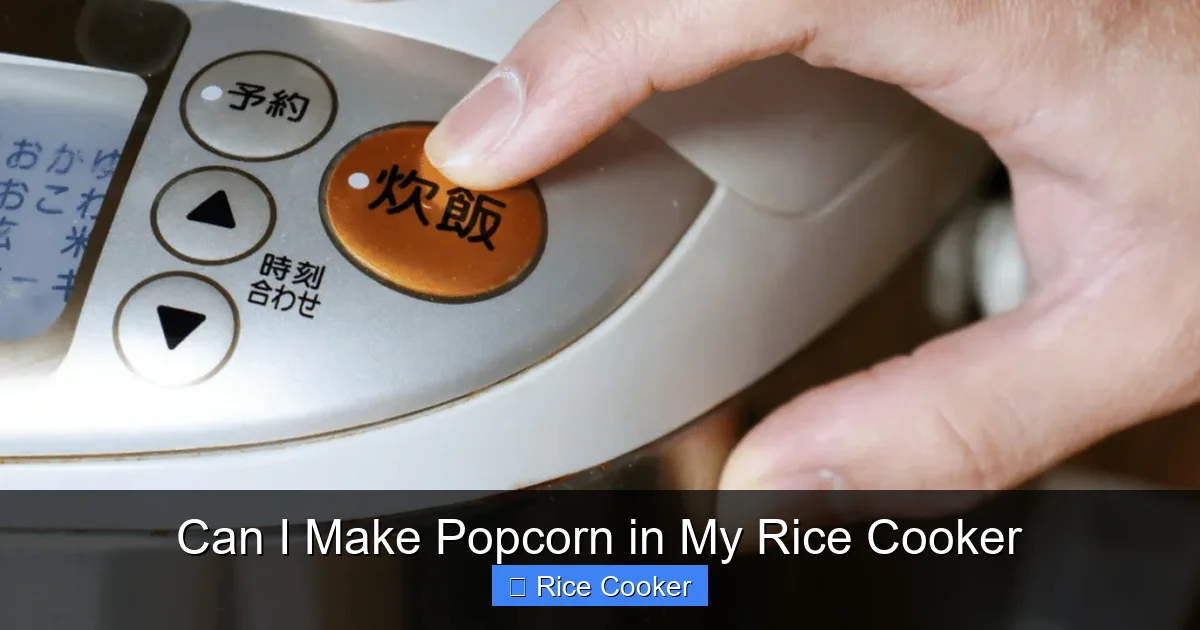
You absolutely can make popcorn in a rice cooker — it’s quick, easy, and requires just two ingredients: popcorn kernels and a little oil. With the right technique, your rice cooker becomes a versatile tool for fluffy, evenly popped corn perfect as a snack or movie-night treat. No microwave? No problem!
Key Takeaways
- Yes, it’s possible: A rice cooker can make great popcorn using the right settings and techniques.
- Minimal ingredients needed: Only popcorn kernels and oil are required—no special equipment.
- Cleaning is easier: Most rice cookers have non-stick inner pots that make cleanup simple.
- Customizable flavors: Add salt, butter, or spices directly into the pot for personalized taste.
- Saves time and money: Making popcorn at home is faster than buying bags and costs less per serving.
- Works with most models: Standard white rice or brown rice settings usually work best.
- Experiment with sizes: Adjust kernel amounts and oil levels based on how much you want to make.
📑 Table of Contents
- Can I Make Popcorn in My Rice Cooker?
- Understanding How Popcorn Works
- What You’ll Need to Make Popcorn in a Rice Cooker
- Step-by-Step Guide: Making Perfect Popcorn in a Rice Cooker
- Tips for Fluffier, Better-Tasting Popcorn
- Troubleshooting Common Issues
- Healthier and Diet-Friendly Options
- Comparing Rice Cooker Popcorn to Other Methods
- Fun Facts About Popcorn History
- Final Thoughts: Is Making Popcorn in a Rice Cooker Worth It?
Can I Make Popcorn in My Rice Cooker?
If you’ve ever wondered whether your trusty rice cooker can do more than just cook grains, the answer is a resounding yes — especially when it comes to making popcorn. That compact kitchen gadget tucked away in your cupboard? It’s not just for oatmeal and risotto anymore. With a little creativity and the right technique, you can transform your rice cooker into a popcorn machine that delivers perfectly fluffy, golden-brown kernels every time.
Making popcorn in a rice cooker might sound unconventional, but it’s actually one of the easiest and most efficient ways to enjoy homemade popcorn without needing a dedicated popper or a microwave. The science behind it is simple: heat causes moisture inside the kernel to turn into steam, building pressure until the hull bursts open — creating the popcorn we know and love. And because rice cookers maintain consistent temperatures and often include keep-warm functions, they create ideal popping conditions. Plus, using your rice cooker means fewer dishes to clean up and less energy used than running a full-sized popper.
In this complete guide, we’ll walk you through everything you need to know about making popcorn in a rice cooker — from choosing the right kernels and oil to troubleshooting common issues and adding flavor variations. Whether you’re a college student with limited kitchen tools, someone trying to cut down on processed snacks, or just curious about multi-use appliances, this method will become your new favorite kitchen hack.
Understanding How Popcorn Works
The Science Behind Popping Corn
Before diving into the steps, it helps to understand why some kernels pop and others don’t. Each popcorn kernel contains a tiny drop of water and a hard outer shell. When heated evenly, the moisture turns to steam, increasing internal pressure. Eventually, the pressure overcomes the shell’s strength, causing it to burst open — releasing the starchy interior that expands into what we recognize as popcorn. The key to successful popping is consistent, dry heat that reaches around 350°F (175°C), which most rice cookers can provide.
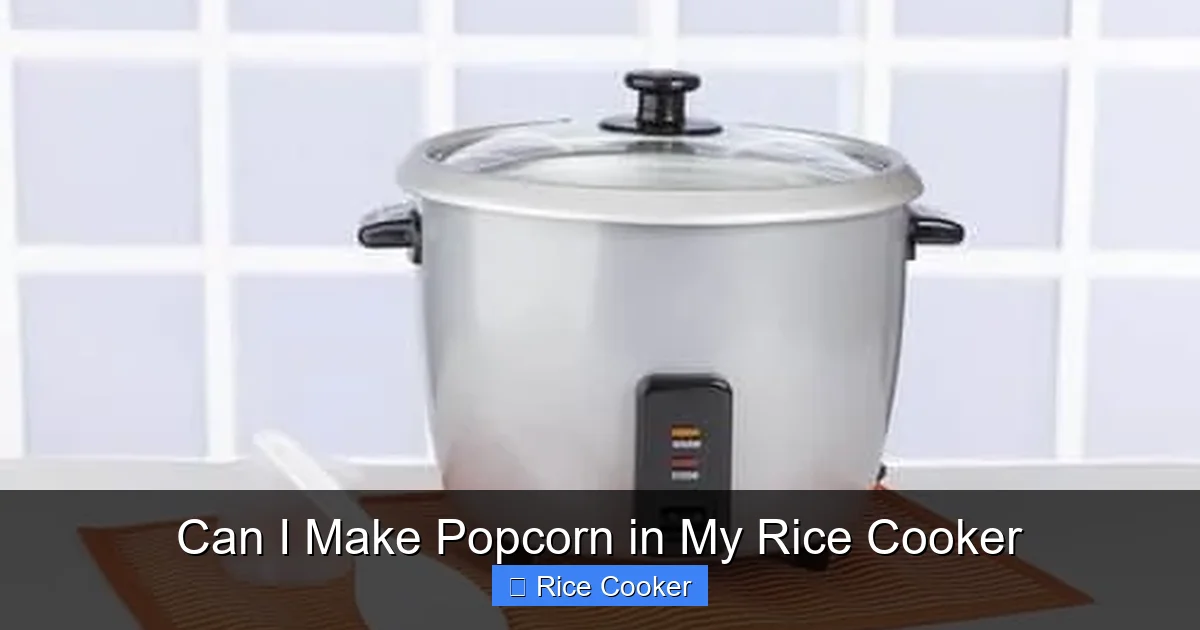
Visual guide about Can I Make Popcorn in My Rice Cooker
Image source: missvickie.com
Why Rice Cookers Are Surprisingly Good for Popping
Rice cookers aren’t designed with popcorn in mind, but their features make them surprisingly effective. Most modern models have:
- A heating plate beneath a removable, non-stick inner pot
- A thermostat that regulates temperature automatically
- A keep-warm function that maintains low heat without burning
- A sealed environment that traps heat efficiently
These traits help distribute heat evenly across the bottom of the pot, ensuring each kernel gets the same amount of warmth. Unlike stovetop methods where hot spots can burn some kernels while leaving others unpopped, rice cookers offer gentler, more uniform cooking. Also, because you don’t have to stir constantly, you reduce the risk of overheating or uneven popping.
What You’ll Need to Make Popcorn in a Rice Cooker
Essential Ingredients
The good news? You probably already have everything you need in your pantry.
- Popcorn kernels: Use plain, unbuttered, and unsalted kernels. Look for fresh ones labeled “air-pop” or “microwave” quality — these work best. Avoid old or damaged kernels, as they’re less likely to pop.
- Oil: Choose a high-smoke-point oil like coconut oil, canola, vegetable, or avocado oil. Coconut oil adds a subtle sweetness and helps prevent sticking. For healthier options, use light olive oil or grapeseed oil.
Equipment Requirements
All you really need is:
- Your standard electric rice cooker
- A measuring spoon or small bowl for portion control
- A spatula or wooden spoon for stirring (optional)
- A bowl or container for serving
No extra gadgets required! Just make sure your rice cooker’s inner pot is clean and dry before starting. Any leftover food residue could affect the taste or cause uneven heating.
Step-by-Step Guide: Making Perfect Popcorn in a Rice Cooker
Prepping Your Rice Cooker
Start by unplugging your rice cooker and removing the inner pot. Give it a quick rinse under warm water if there’s any residue, then dry it thoroughly with a towel. Never use abrasive scrubbers on the non-stick surface — they can damage the coating and affect future cooking.
Adding Oil and Kernels
For a single serving (about ¼ cup of unpopped kernels), add 1 tablespoon of oil to the inner pot. Then pour in ¼ cup of popcorn kernels. Swirl the pot gently to coat all the kernels lightly in oil — this ensures even heating and prevents scorching. Too much oil leads to greasy popcorn; too little risks burning.
Setting the Right Mode
Most rice cookers come with preset modes like “White Rice,” “Brown Rice,” or “Quick Cook.” For popcorn, start with the “White Rice” setting. If your model doesn’t have presets, simply plug it in and let it begin heating automatically. The goal is to get the mixture to crackle and pop within 3–5 minutes.
Listening for the Magic Sound
Once the rice cooker starts heating, cover the lid tightly. Within a minute or two, you’ll hear the first pops. At this point, do not open the lid — steam builds up quickly and can cause burns or uneven popping. Let it continue until the popping slows to about one pop every 3–4 seconds. This usually takes 6–8 minutes total.
Finishing Touches
When popping stops, carefully lift the lid (watch out for escaping steam!) and give the pot a gentle shake to separate any stuck kernels. Let it sit for 30 seconds so residual heat finishes popping any late kernels. Then transfer the popcorn to a large bowl. Avoid overfilling the pot — too many kernels crowd together and won’t pop properly.
Tips for Fluffier, Better-Tasting Popcorn
Choose Fresh Kernels
Stale or old kernels have lost moisture and won’t expand fully. Store them in an airtight container away from heat and sunlight. If your kernels are older than six months, test them first by placing one in a glass of water — if it sinks, it’s still good; if it floats, toss it.
Use the Right Amount of Oil
Too little oil = burnt popcorn. Too much = greasy. Stick to a thin coating — enough to prevent sticking but not enough to weigh down the kernels. For ½ cup of kernels, use 1.5 tablespoons of oil.
Don’t Overload the Pot
Follow the rule of thumb: ¼ cup of kernels makes about 6–8 cups of popcorn. Going beyond ½ cup increases the chance of unmelted kernels and inconsistent results.
Season Immediately After Popping
While the popcorn is still warm, sprinkle with salt, melted butter, nutritional yeast, or your favorite spice blend. Warm kernels absorb flavors better than cold ones. Toss gently in a large bowl to distribute evenly.
Experiment with Flavors
Try these easy seasonings:
- Classic Salt & Butter: Melt 1 tbsp butter, mix with ¾ tsp salt.
- Cheesy Crouton Crunch: Sprinkle with grated Parmesan and dried herbs.
- Spicy Jalapeño Lime: Mix lime zest, chili powder, and a pinch of cayenne.
- Sweet Maple Pecan: Drizzle with maple syrup and crushed pecans.
Troubleshooting Common Issues
Why Aren’t All Kernels Popping?
This usually happens when kernels are old, damp, or unevenly distributed. Shake the pot gently during the first minute to ensure even contact with the heating element. Also, avoid shaking too much later on — it can extinguish the flame or cool the mixture.
My Popcorn Is Burnt or Sticky
Browning indicates excessive heat or insufficient oil. Try reducing cooking time slightly or lowering the oil amount next time. If the popcorn sticks to the bottom, your pot may be overheating. Consider placing a trivet or silicone mat underneath the pot to insulate it.
The Popping Takes Too Long
If it’s taking longer than 10 minutes, your rice cooker might not be reaching optimal temperature. Test by placing a thermometer under the pot — it should read around 350°F. If not, try preheating the empty pot for 30 seconds before adding kernels.
I Get Uneven Results Between Batches
Consistency depends on kernel quality and oil distribution. Always measure precisely and swirl the pot after adding ingredients. Keep your rice cooker calibrated — some models drift in temperature over time.
Healthier and Diet-Friendly Options
Low-Calorie Popcorn
Air-popped popcorn is naturally low in calories — about 30 calories per cup. To boost nutrition, skip the butter and opt for olive oil spray or flavoring powders instead. Add protein by mixing in a scoop of powdered peanut butter or Greek yogurt powder.
Vegan and Dairy-Free Versions
Replace butter with coconut oil, avocado oil, or vegan margarine. Nutritional yeast gives a cheesy, umami kick without dairy. Just sprinkle generously after popping.
Gluten-Free and Whole Grain Choices
Pure popcorn kernels are gluten-free, but check labels if buying pre-packaged mixes. For whole grain variety, look into heirloom or organic popcorn varieties — they’re richer in fiber and antioxidants.
Keto and Low-Carb Friendly
Plain air-popped popcorn fits into keto diets (about 3g net carbs per cup). Enhance with Erythritol, stevia, or monk fruit sweeteners for a dessert-like treat.
Comparing Rice Cooker Popcorn to Other Methods
| Method | Time | Cleanup | Flavor Control | Best For |
|---|---|---|---|---|
| Rice Cooker | 6–8 mins | Very easy | Good | Small batches, beginners |
| Microwave | 2–4 mins | Easy | Excellent | Speed, convenience |
| Stovetop | 5–7 mins | Moderate | Excellent | Large batches, control |
| Air Popper | 3–5 mins | Very easy | Good | Health-conscious users |
While microwaves are fastest and air poppers produce the healthiest results, rice cookers strike a sweet spot between ease, cost, and flavor potential. They’re ideal for dorm rooms, tiny kitchens, or anyone who already owns one.
Fun Facts About Popcorn History
Did you know popcorn has been around for thousands of years? Native Americans ate it long before European settlers arrived. In the 19th century, popcorn became a street snack during the Gold Rush era. Today, Americans consume over 17 billion quarts of popcorn annually — that’s more than 50 quarts per person!
Interestingly, the world’s largest popcorn ball weighed over 3,500 pounds and was made in Ohio in 2012. And did you know popcorn is actually a type of maize (corn)? Its scientific name is Zea mays everta — a special variety engineered to pop.
Final Thoughts: Is Making Popcorn in a Rice Cooker Worth It?
Absolutely. Not only does this method save time and money, but it also opens up a world of creative possibilities. Whether you’re whipping up a midnight snack, prepping for a family movie night, or experimenting with new flavors, your rice cooker proves itself as more than just a grain-cooking appliance. With minimal effort and zero extra gear, you can enjoy theater-quality popcorn right at home.
Give it a try tonight — pop a small batch, season it how you like, and see why millions of households rely on this clever kitchen trick. Who knew such a humble machine could deliver so much joy (and crunch)?
Frequently Asked Questions
Can I make popcorn in any type of rice cooker?
Yes, most standard electric rice cookers work well for popcorn, especially those with a non-stick inner pot and automatic shut-off. Older models with simpler controls may require slightly longer cooking times, but they still function effectively.
Do I need special popcorn kernels?
Not necessarily — any plain, unseasoned popcorn kernels will do. However, fresh, high-quality kernels produce better results. Avoid old or cracked kernels, as they’re less likely to pop completely.
How much oil should I use?
For every ¼ cup of kernels, use 1 tablespoon of oil. This creates a thin coating that promotes even popping without making the popcorn greasy. Adjust based on your preference and the oil’s smoke point.
Why does my rice cooker burn the popcorn?
Burning typically occurs due to too little oil, overcrowding the pot, or using a model that runs hotter than average. Try reducing the kernel quantity and ensuring adequate oil coverage next time.
Can I reuse the same oil?
It’s not recommended. Once oil reaches its smoke point during popping, it breaks down and develops off-flavors. Discard used oil after one batch for the best taste.
Is rice cooker popcorn healthier than microwave popcorn?
Generally, yes. Homemade rice cooker popcorn avoids artificial additives, preservatives, and trans fats found in many store-bought microwave bags. You control the ingredients and portion size, making it a cleaner, customizable snack.