

Making popcorn in a rice cooker is not only possible—it’s easy, fast, and surprisingly effective! You don’t need a dedicated popcorn machine; your trusty rice cooker can handle the job with just a few adjustments. This method saves counter space, uses less oil, and gives you perfectly popped kernels every time. Whether you’re craving a healthy snack or want to impress guests, your rice cooker might already be the secret weapon in your kitchen.
Have you ever been craving a fresh bowl of popcorn while watching a movie, only to realize your microwave popper is missing? Or maybe you’ve been trying to eat healthier and want to avoid processed snacks? If so, you might be surprised to learn that your rice cooker—a staple in kitchens worldwide—can actually do double duty as a popcorn maker.
That’s right. You don’t need a fancy air popper or an expensive countertop machine. With just a handful of simple ingredients and a little know-how, you can turn your rice cooker into a popcorn powerhouse. In this article, we’ll walk you through everything you need to know about making popcorn in a rice cooker: from basic techniques to flavor variations and troubleshooting tips.
Whether you’re a busy parent, a college student living in a dorm, or someone who loves experimenting in the kitchen, this method offers a convenient, budget-friendly, and delicious way to enjoy popcorn anytime. Let’s get popping!
Key Takeaways
- Rice cookers can make popcorn with the right settings and technique—no special appliance needed.
- It’s cost-effective and space-saving, using common ingredients like kernels, oil, and water.
- You can control oil and salt levels for healthier or customized snacks.
- Different models require different approaches—some need water, others work dry.
- Cleanup is easy and minimal thanks to non-stick inner pots.
- Experimenting with flavors is simple—try cheese powder, cinnamon, or nutritional yeast.
📑 Table of Contents
- Why Use a Rice Cooker for Popcorn?
- What Kind of Popcorn Kernels Should You Use?
- How to Make Popcorn in a Rice Cooker: Step-by-Step Guide
- Special Considerations for Different Rice Cooker Models
- Healthier Popcorn Options
- Troubleshooting Common Issues
- Creative Flavor Ideas
- Cleaning and Maintenance Tips
Why Use a Rice Cooker for Popcorn?
Before diving into the “how-to,” it’s helpful to understand why anyone would choose a rice cooker over other methods. After all, microwaves are faster, and stovetop pots give you more control. But rice cookers offer unique advantages that make them ideal for popping corn.
First, they’re designed for even heat distribution. Most modern rice cookers use induction heating or ceramic plates that maintain consistent temperatures—perfect for triggering the Maillard reaction in corn kernels without burning them. Second, they’re compact and energy-efficient. Instead of heating up an entire stovetop burner, you’re using a small appliance that consumes less electricity and takes up no extra space.
Plus, rice cookers often come with non-stick inner pots, which means minimal cleanup. And since many models have delay timers or keep-warm functions, you can prepare popcorn ahead of time and serve it warm whenever you’re ready.
Another perk? You can make large batches without crowding the pot. Unlike stovetop methods where too many kernels can lead to uneven popping, rice cookers typically hold 6–10 cups of uncooked popcorn comfortably.
What Kind of Popcorn Kernels Should You Use?
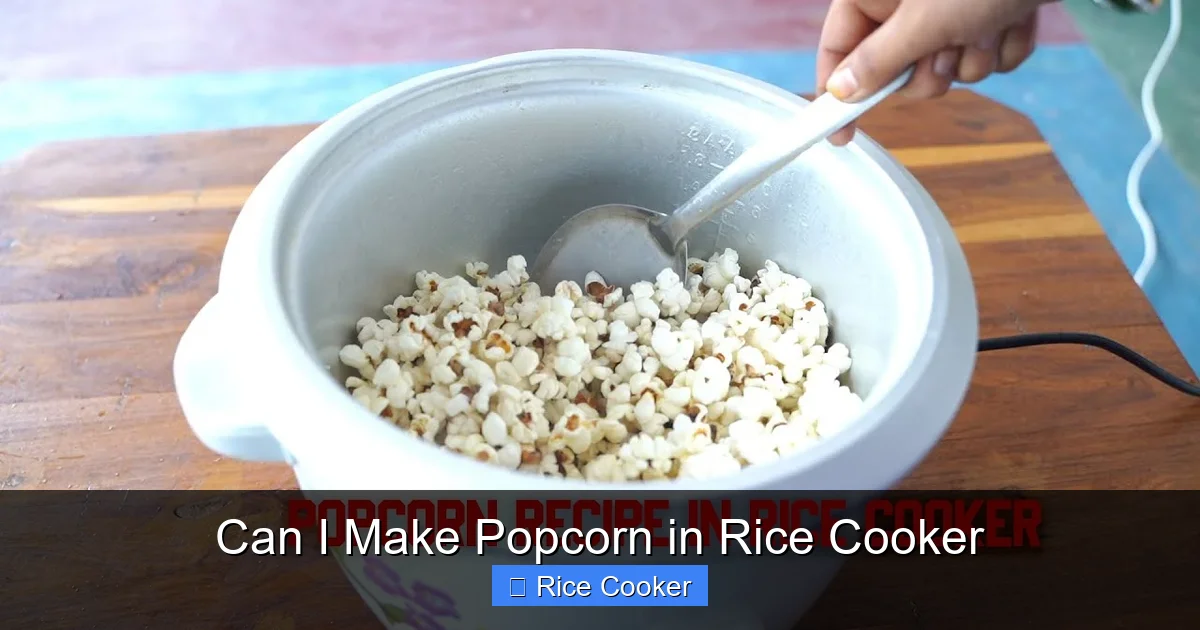
Visual guide about Can I Make Popcorn in Rice Cooker
Image source: i.ytimg.com
Not all corn is created equal when it comes to popping. The type of kernel you choose directly affects how well your rice cooker performs.
The best choice is **air-popped or hot-air popcorn kernels**. These are specifically bred for popping and contain the ideal moisture content (about 13–14%) to expand properly when heated. They’re usually labeled as “popcorn kernels” at grocery stores or bulk food sections.
Avoid yellow table corn or sweet corn—these won’t pop reliably and may damage your appliance. Also steer clear of pre-popped or flavored varieties, as they often contain oils and coatings that can gum up your rice cooker.
When selecting kernels, look for uniform size and color. Avoid any that are cracked, shriveled, or discolored, as these are less likely to pop fully.
For beginners, I recommend starting with organic or non-GMO kernels if available. Many brands now sell certified popcorn kernels online, and some even offer subscription boxes—great for stocking up.
How to Make Popcorn in a Rice Cooker: Step-by-Step Guide
Ready to try it yourself? Here’s a foolproof method that works with most standard rice cookers:
Gather Your Ingredients
- ½ cup popcorn kernels (about 100–125 grams)
- 1–2 tablespoons vegetable oil (such as canola, coconut, or avocado oil)
- Optional: pinch of salt, butter, or seasonings
Prepare the Rice Cooker
Make sure the inner pot is clean and dry. Do not add water unless your model requires it (more on that below). Place the pot back into the base and plug it in.
Add Oil and Kernels
Pour the oil into the inner pot first, then add the kernels. Tilt the pot gently to coat all the kernels evenly. Too much oil will make your popcorn greasy; too little increases the risk of burning.
Start Popping
Close the lid and press the “Cook” or “Normal” setting. Wait for the popping to begin—usually within 1–2 minutes. You’ll hear the first few pops, followed by a rapid succession. When the sound drops to less than 3–4 seconds between pops, turn off the cooker immediately.
Season and Serve
Carefully remove the lid (watch out for steam), shake the pot gently to aerate the popcorn, then transfer to a bowl. Add salt, melted butter, or your favorite spices.
Pro Tip: If your rice cooker has a “Keep Warm” function, you can leave the popped corn in there for up to 30 minutes without burning it.
Special Considerations for Different Rice Cooker Models
Not all rice cookers are created equal—and some require slight modifications to make popcorn safely and effectively.
Models That Need Water Added
Some older or budget-friendly rice cookers rely on water evaporation to create steam, which helps distribute heat. For these, add ¼ cup of water along with the oil and kernels. The water will evaporate during cooking, leaving behind dry, fluffy popcorn. Just make sure the water doesn’t touch the heating element directly.
Induction Heating vs. Ceramic Plates
Modern induction models respond quickly to temperature changes, giving you more control over popping speed. Ceramic plate models take slightly longer to heat up but provide steady, even warmth. Both work well, but induction types tend to produce fewer unpopped kernels.
Non-Stick vs. Stainless Steel Pots
Non-stick surfaces are easier to clean and reduce the chance of burnt residue. However, avoid metal utensils that could scratch the coating. Stainless steel pots work fine but may require a light coat of oil to prevent sticking.
Timer and Auto-Shutoff Features
If your rice cooker has a timer, set it for 3–4 minutes before checking. Always monitor the first batch until you get a feel for how long it takes in your specific model. Never walk away—overheating can cause smoke or fire.
Healthier Popcorn Options
Popcorn is naturally low in calories and high in fiber, making it a smart snack choice. By using a rice cooker, you can further boost its health benefits.
Instead of heavy oils, try using **coconut oil** (which contains medium-chain triglycerides) or **avocado oil** (high smoke point and heart-healthy fats). For extra crunch without added fat, spray the inner pot lightly with cooking oil mist.
You can also skip the butter entirely and use **nutritional yeast** for a cheesy, umami-rich flavor. Other great options include:
- Dried herbs (oregano, basil, paprika)
- Lemon zest and black pepper
- Cinnamon and brown sugar (for sweet popcorn)
- Turmeric and cumin (for spiced blends)
Remember to measure portions mindfully. One cup of air-popped popcorn has about 30 calories—but a full bag with melted butter can easily exceed 1,000.
Troubleshooting Common Issues
Even with the best technique, things don’t always go smoothly. Here’s how to fix common problems:
Too Much Unpopped Kernels
This usually happens with old or low-quality kernels. Store them in an airtight container away from humidity and light. Also, avoid shaking the pot during early popping stages—it can cause premature popping and cold spots.
Burnt or Burst Kernels
Overheating is the main culprit. Reduce oil slightly and don’t let the cooker run past the point where popping slows down. If your model gets too hot, unplug it immediately and let it cool before opening.
Sticky Residue
Burnt-on bits are hard to scrub off. Soak the pot in warm, soapy water for 15–20 minutes before washing. For stubborn residue, mix baking soda and water into a paste, apply to the affected area, wait 10 minutes, then scrub gently with a soft sponge.
Poor Volume Output
Some rice cooker pots are smaller than advertised. Check the capacity label—most hold around 6 cups of cooked rice, which translates to about 1.5–2 cups of popped popcorn. If you need more, consider making two batches.
Creative Flavor Ideas
Once you’ve mastered the basics, the fun begins. Popcorn is incredibly versatile. Here are some crowd-pleasing combinations:
Classic Butter & Salt
Melt 1 tablespoon of butter, drizzle over hot popcorn, and sprinkle with sea salt. Toss gently to coat.
Cheddar Cheese
Sprinkle ¼ cup of grated cheddar over warm popcorn, toss, then add a pinch of garlic powder.
Sweet Cinnamon Sugar
Mix 2 tablespoons sugar, 1 teaspoon cinnamon, and ½ teaspoon nutmeg. Dust over popped corn while still warm.
Everything Bagel Seasoning
Use store-bought or homemade blend (onion, garlic, sesame seeds, etc.). Sprinkle generously after popping.
Spicy Chili Lime
Combine 1 teaspoon chili powder, juice of half a lime, and a pinch of salt. Toss with warm popcorn for a zesty kick.
Experiment with ratios—some people prefer light seasoning, others like bold flavors. Keep a notebook nearby to track what works best.
Cleaning and Maintenance Tips
After each use, rinse the inner pot under warm water while it’s still slightly warm. Avoid cold water—thermal shock can warp plastic parts or crack ceramics.
Use a non-abrasive sponge or brush. Harsh scrubbers can damage non-stick coatings. For oil residue, a drop of dish soap usually does the trick.
Never submerge the outer shell or heating element in water. Wipe it down with a damp cloth instead.
Store the inner pot separately if possible—this prevents accidental burns and keeps it in top condition.
With proper care, your rice cooker should last years without issues. And since popcorn leaves little residue compared to rice or soup, maintenance stays simple.
Frequently Asked Questions
Can I make popcorn in any rice cooker?
Most modern rice cookers can make popcorn, but older models may require water added to the pot. Check your manual—if it has a non-stick inner pot and heats evenly, it’s likely suitable.
Do I need to add water when making popcorn in a rice cooker?
Not always. Some models work perfectly dry, while others benefit from a splash of water to create steam. Start without water first—if popping seems slow or uneven, try adding ¼ cup.
Is popcorn made in a rice cooker healthy?
Yes! It’s lower in fat than stovetop methods and allows you to control ingredients. Use minimal oil and skip heavy sauces for a nutritious snack.
Why did my popcorn burn in the rice cooker?
Burning usually results from overheating or too much oil. Stop cooking once popping slows to 3–4 seconds apart, and reduce oil next time.
Can I reuse the same oil for multiple batches?
You can strain and reheat oil once or twice, but discard it if it smells rancid or smokes at low heat. Fresh oil ensures better flavor and safety.
How much popcorn can one rice cooker batch yield?
About 6–8 cups of popped popcorn from ½ cup of kernels. Adjust quantities based on your pot size and hunger level.