

Making porridge in a rice cooker is not only possible but also incredibly convenient. With just a few simple ingredients and your trusty appliance, you can create warm, comforting meals with minimal effort. This method saves time, reduces cleanup, and ensures perfectly cooked porridge every time.
Key Takeaways
- Yes, you can make porridge in a rice cooker: Most rice cookers are designed to handle grains like oats, rice, and barley, making them ideal for porridge.
- It’s faster than stovetop cooking: A rice cooker automates the process, reducing constant stirring and monitoring.
- Customizable and healthy: Add fruits, nuts, spices, or sweeteners to tailor your porridge to taste.
- Easy cleanup: Non-stick inner pots make washing up simple and hassle-free.
- Suitable for various diets: Use gluten-free oats, dairy alternatives, or plant-based milk for dietary preferences.
- Perfect for meal prep: Cook large batches and store portions for quick reheating throughout the week.
- Energy-efficient: Uses less electricity than boiling water on the stove.
📑 Table of Contents
- Can I Make Porridge in a Rice Cooker?
- The Science Behind Cooking Porridge in a Rice Cooker
- Choosing the Right Ingredients for Rice Cooker Porridge
- Step-by-Step Guide: How to Make Porridge in a Rice Cooker
- Different Types of Porridge You Can Make
- Benefits of Making Porridge in a Rice Cooker
- Troubleshooting Common Issues
- Maintenance and Care for Your Rice Cooker
- Frequently Asked Questions
- Conclusion: Why Your Rice Cooker Belongs in Your Breakfast Routine
Can I Make Porridge in a Rice Cooker?
Imagine waking up to the warm, inviting aroma of freshly cooked porridge without having to stand over a hot stove. That’s exactly what you get when you use a rice cooker to make porridge—minus the mess and the guesswork. Whether you’re a busy parent, a college student, or someone who just loves a cozy breakfast, making porridge in a rice cooker is a game-changer. It’s simple, reliable, and requires almost no attention once you start.
Most modern rice cookers come with multiple settings—like brown rice, quick cook, and even slow-cook functions—that make preparing oatmeal, cream of wheat, or even quinoa porridge a breeze. You don’t need any special gadgets or complicated steps. Just add your ingredients, press a button, and let the machine do the rest. Plus, because the pot is sealed and non-stick, cleanup is a breeze. So yes, you absolutely can make porridge in a rice cooker, and it might just become your new favorite kitchen habit.
The Science Behind Cooking Porridge in a Rice Cooker
You might wonder how a device originally designed to cook rice can produce something as soft and creamy as porridge. The answer lies in the way heat is distributed and controlled inside a rice cooker. Unlike stovetop cooking, which relies on direct flame and manual stirring, a rice cooker uses a heating element at the bottom and an automatic shut-off mechanism to maintain a steady temperature. This ensures even cooking and prevents scorching.
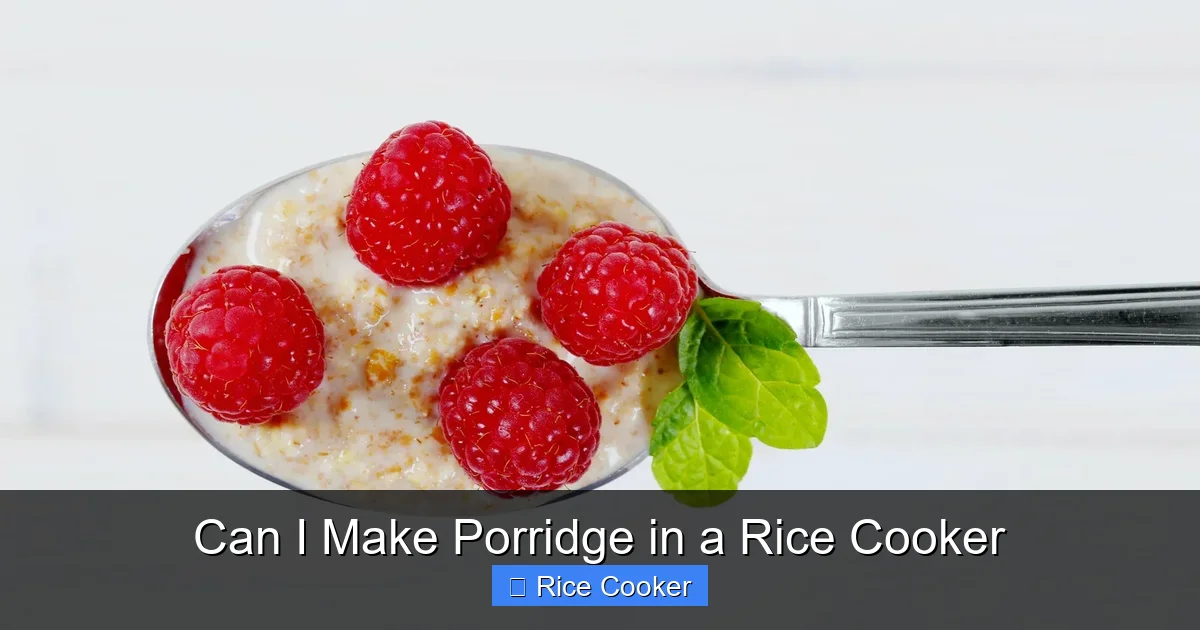
Visual guide about Can I Make Porridge in a Rice Cooker
Image source: ricecookerjunkie.com
How Heat Transfer Works
When you add liquid and oats (or another grain) to the rice cooker, the heat gradually warms the mixture from below. As the water reaches boiling point, steam builds up inside the pot, creating a moist environment that helps the grains absorb moisture evenly. The thermostat inside the cooker detects when the liquid has been absorbed and automatically switches to “warm,” preventing overcooking and keeping your porridge at the perfect serving temperature.
Why Rice Cookers Are Ideal for Porridge
Rice cookers are built to handle long, slow cooking processes. They maintain consistent heat and often have timers and delay-start features. These capabilities make them perfect for porridge, which benefits from gentle, prolonged cooking to break down starches and achieve that silky texture. Additionally, many rice cookers come with a thick, non-stick inner pot that resists sticking and makes cleaning easier—especially important when dealing with sticky oats.
Choosing the Right Ingredients for Rice Cooker Porridge
Just like with stovetop porridge, the success of your rice cooker version depends heavily on the ingredients you use. Not all grains and liquids work equally well, so choosing the right ones can make or break your dish.
Best Grains for Porridge
- Rolled Oats: These are the most common choice for porridge. They have a mild flavor and cook quickly, usually in about 15–20 minutes.
- Steel-Cut Oats: Slightly chewier and require longer cooking times—around 25–30 minutes—but offer a more satisfying texture and higher fiber content.
- Instant Oats: Best for a quicker version, though they may result in a softer, less hearty porridge.
- Cream of Wheat or Farina: These wheat-based grains cook fast and produce a smooth, creamy consistency.
- Quinoa or Millet: For a gluten-free or protein-rich alternative, these ancient grains can be used in a similar ratio to rice.
Liquid Options
The liquid you use determines the creaminess and flavor of your porridge. Here are some popular choices:
- Water: Simple and neutral, but results in a thinner consistency.
- Dairy Milk: Whole milk or cream adds richness and creaminess. Best for traditional porridge lovers.
- Plant-Based Milks: Almond, soy, oat, or coconut milk offer variety and are great for vegans or those avoiding lactose.
- Stock (Vegetable or Chicken): Adds depth of flavor, especially useful for savory porridges.
Sweeteners and Flavor Enhancers
Once your base is ready, you can customize your porridge with sweeteners and extras:
- Sugar: Granulated or brown sugar for sweetness.
- Honey or Maple Syrup: Natural sweeteners that also add flavor.
- Spices: Cinnamon, nutmeg, cardamom, or vanilla extract enhance aroma and taste.
- Fruits: Fresh or frozen berries, bananas, or apples add natural sweetness and nutrition.
- Nuts and Seeds: Chopped almonds, walnuts, chia seeds, or flaxseeds boost texture and nutritional value.
Step-by-Step Guide: How to Make Porridge in a Rice Cooker
Now that you know the basics, let’s walk through a foolproof method for making delicious porridge using your rice cooker. This recipe serves one person and takes just five minutes of prep.
Basic Oatmeal Porridge Recipe
- 1/2 cup rolled oats
- 1 cup water or milk (or a mix)
- Pinch of salt
- Optional: 1 tsp maple syrup or honey
- Optional toppings: fresh fruit, nuts, cinnamon
Instructions
- Prepare the Ingredients: Measure out your oats and liquid. If using frozen fruit, let it thaw slightly.
- Add Everything to the Pot: Pour the oats, liquid, salt, and any desired sweetener into the rice cooker’s inner pot.
- Close and Start: Place the lid on securely and select the “White Rice” or “Quick Cook” setting. If your cooker has a “Porridge” setting, use that.
- Wait and Stir (Optional): After the cycle ends, give the porridge a stir to loosen any settled oats at the bottom.
- Serve Immediately: Spoon into bowls and top with your favorite additions.
Pro Tips for Perfect Porridge
- Use a Higher Liquid Ratio: Oats in a rice cooker can absorb more liquid than on the stovetop. Try using 1.5 cups of liquid per 1/2 cup of oats for a creamier result.
- Pre-Soak Oats: For softer texture, soak oats in liquid overnight in the fridge. In the morning, just run the cooker.
- Adjust Thickness: If too thin, simmer in a saucepan for a few minutes. If too thick, add more liquid and cook briefly.
- Layer Toppings: Add delicate toppings like fresh fruit after cooking to preserve their texture and nutrients.
Different Types of Porridge You Can Make
While plain oatmeal is delicious, your rice cooker opens the door to a world of creative porridge variations. Here are some popular styles and how to adapt them.
Classic Creamy Oatmeal
This is the go-to version for many. Made with whole milk or cream, it’s rich and satisfying. Add a dash of cinnamon and a drizzle of honey for a comforting treat.
Overnight Oats (No-Cook Method)
Skip the cooker entirely and use a jar. Mix oats, milk, chia seeds, and your favorite toppings. Refrigerate overnight. In the morning, it’s ready to eat—no heat required.
Fluffy Scrambled Oatmeal
After cooking, mash the porridge gently with a fork or potato masher to create a light, fluffy texture. Add a pinch of baking powder for extra lift.
Sweet Fruit Porridge
Add diced apples, pears, or berries during the last 5 minutes of cooking. Their natural sugars will caramelize slightly, enhancing flavor.
Savory Porridge
Try using vegetable stock instead of water. Add sautéed mushrooms, spinach, and a sprinkle of cheese for a hearty lunch option.
Gluten-Free and Vegan Options
Use certified gluten-free oats and almond or oat milk. Sweeten with dates or maple syrup. Add pumpkin puree for a spiced, fall-inspired bowl.
Benefits of Making Porridge in a Rice Cooker
Beyond convenience, there are several advantages to using your rice cooker for porridge. Let’s explore why this method stands out.
Time-Saving Convenience
With a rice cooker, you set it and forget it. No constant stirring, watching the pot, or risk of burning. This is perfect for early mornings or when you’re multitasking.
Consistent Results Every Time
Unlike stovetop cooking, where timing and heat control can vary, a rice cooker delivers repeatable results. Your porridge will always be cooked to perfection.
Less Mess and Easier Cleanup
The sealed, non-stick pot means less splatter and fewer dishes. Just rinse the pot after use—no scrubbing burnt-on residue.
Energy Efficiency
Rice cookers use less energy than boiling water on the stove. Once the porridge is done, they switch to “warm,” maintaining temperature without wasting power.
Great for Meal Prep
Cook a big batch and store portions in the fridge or freezer. Reheat in the microwave or by adding a splash of milk and warming on the stove.
Kid-Friendly and Customizable
Children love the fun shapes and colors you can create. Let them choose their toppings and help assemble their own bowls.
Troubleshooting Common Issues
Even with the best tools, you might encounter a few hiccups. Here’s how to fix them.
Porridge Is Too Thin
This usually happens if you used too much liquid. To fix it, return the porridge to a small pot and simmer until it reaches your desired thickness. Alternatively, cook with less liquid next time—start with 1 cup liquid per 1/2 cup oats and adjust.
Porridge Is Too Thick
If it’s stuck to the bottom or too firm, add more liquid and cook for an additional 2–3 minutes. Stir frequently to prevent burning.
Oats Stick to the Bottom
This can happen in older models without good heat distribution. Always stir halfway through cooking, or use a wider-rimmed pot to allow better circulation.
Not Enough Flavor
Boost flavor by adding spices during cooking, or use flavored milk (like chocolate or vanilla). A splash of extract (vanilla, almond) can also help.
Rice Cooker Doesn’t Have a Porridge Setting
Don’t worry! Use the “White Rice” or “Quick Cook” setting. It works just as well. Some models may take slightly longer, so monitor after 20 minutes.
Too Much Foam or Steam Buildup
Cover the pot loosely with a lid or towel to allow steam to escape. This prevents overflow and keeps the mixture from becoming too soupy.
Maintenance and Care for Your Rice Cooker
To keep your rice cooker working well for porridge and other dishes, proper care is essential.
Clean the Inner Pot After Each Use
Let it cool slightly, then wash with warm, soapy water. Avoid abrasive sponges that can scratch the non-stick coating.
Check the Heating Plate
Wipe the outer heating plate clean after each use. Crumbs or spills can affect performance and create unpleasant odors.
Avoid Using Metal Utensils
Stick to silicone, wood, or plastic spatulas to protect the non-stick surface.
Store Properly
Keep the lid on and ensure the pot is completely dry before storing to prevent mold or rust.
Descale Regularly
Hard water can leave mineral deposits. Once a month, run a cycle with equal parts water and vinegar to clean the inside.
Frequently Asked Questions
Can I use steel-cut oats in a rice cooker?
Yes, but they require longer cooking times—usually 25 to 30 minutes. For best results, pre-soak them overnight or use the “Slow Cook” setting if available.
Do I need to stir while the porridge cooks?
Not usually. Most rice cookers handle the job without stirring. However, a quick stir after the cycle ends helps redistribute any settled oats.
Can I make overnight porridge in a rice cooker?
No, overnight porridge is typically made without heat. Instead, mix oats with milk and toppings, refrigerate, and eat cold or reheat later.
Is it safe to leave porridge in the rice cooker on “warm” for hours?
Yes, but only for a few hours. Prolonged exposure to warmth can lead to bacterial growth. For best quality, consume within 24 hours.
Can I cook other grains like quinoa or barley in the same way?
Absolutely. Quinoa needs about 18–20 minutes, while barley takes 30–40 minutes. Adjust liquid ratios accordingly—quinoa needs more water.
What if my rice cooker doesn’t have a timer?
You’ll still be fine. Just add your ingredients and turn it on. Without a timer, it won’t delay-start, but it will still cook the porridge properly once activated.
Conclusion: Why Your Rice Cooker Belongs in Your Breakfast Routine
Making porridge in a rice cooker isn’t just a clever trick—it’s a lifestyle upgrade. It brings simplicity, consistency, and creativity to your morning routine. Whether you’re feeding a family, preparing for a busy day, or just craving something warm and nourishing, your rice cooker can deliver.
From customizable flavors to minimal cleanup, the benefits are clear. And with so many grain and liquid options, you can experiment endlessly while staying healthy. Plus, the ability to prep ahead or enjoy a hot breakfast without standing over a stove makes this method ideal for modern living.
So the next time you’re wondering, “Can I make porridge in a rice cooker?”—the answer is a confident yes. Open the lid, add your ingredients, and let technology do the rest. Your future self, with a full belly and more free time, will thank you.
Frequently Asked Questions
Can I use steel-cut oats in a rice cooker?
Yes, but they require longer cooking times—usually 25 to 30 minutes. For best results, pre-soak them overnight or use the “Slow Cook” setting if available.
Do I need to stir while the porridge cooks?
Not usually. Most rice cookers handle the job without stirring. However, a quick stir after the cycle ends helps redistribute any settled oats.
Can I make overnight porridge in a rice cooker?
No, overnight porridge is typically made without heat. Instead, mix oats with milk and toppings, refrigerate, and eat cold or reheat later.
Is it safe to leave porridge in the rice cooker on “warm” for hours?
Yes, but only for a few hours. Prolonged exposure to warmth can lead to bacterial growth. For best quality, consume within 24 hours.
Can I cook other grains like quinoa or barley in the same way?
Absolutely. Quinoa needs about 18–20 minutes, while barley takes 30–40 minutes. Adjust liquid ratios accordingly—quinoa needs more water.
What if my rice cooker doesn’t have a timer?
You’ll still be fine. Just add your ingredients and turn it on. Without a timer, it won’t delay-start, but it will still cook the porridge properly once activated.