
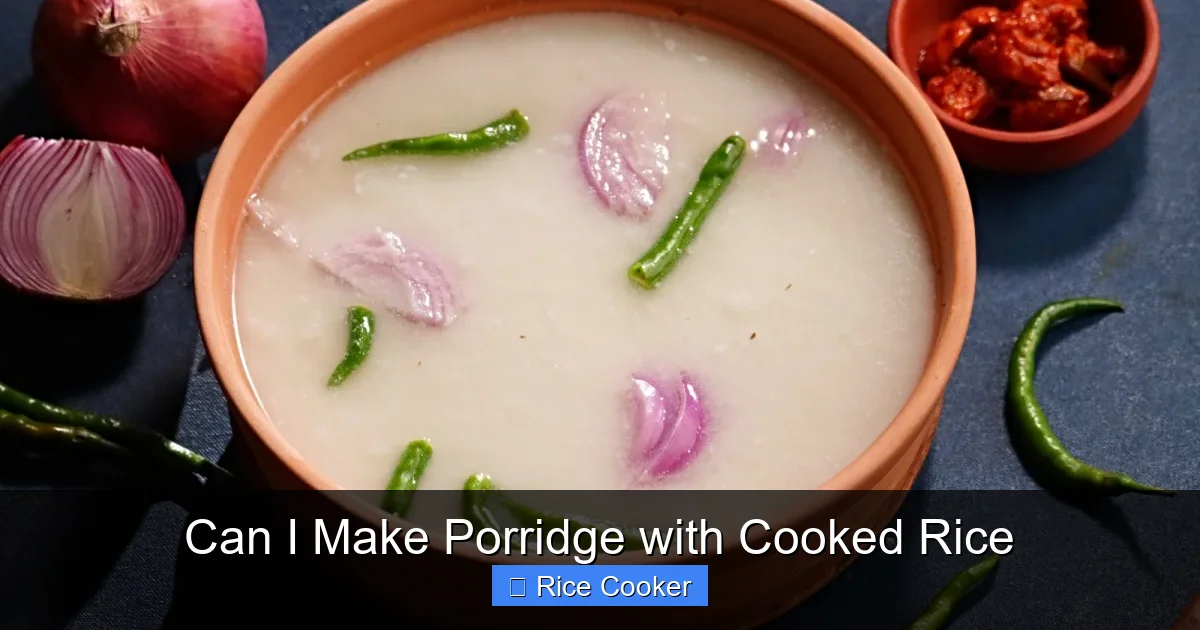
Can I make porridge with cooked rice? Absolutely! Using leftover cooked rice in a rice cooker is a simple, efficient way to create a warm, comforting porridge. With just a few extra ingredients like water, milk, and your favorite toppings, you can turn plain rice into a hearty breakfast or snack in under 10 minutes. This method saves time, reduces food waste, and delivers a satisfying texture perfect for all ages.
Key Takeaways
- Yes, cooked rice makes excellent porridge. When rehydrated with liquid, it transforms into a soft, creamy consistency ideal for porridge.
- A rice cooker simplifies the process. Most modern rice cookers have a “porridge” or “congee” setting that ensures even cooking and prevents sticking.
- Adjustable liquid ratios control texture. More liquid yields a thinner porridge; less creates a thicker, grainier version.
- Flavoring options are endless. Add salt, sugar, spices, fruits, nuts, or sweeteners to customize your porridge to taste.
- It’s a great use of leftovers. Repurposing cooked rice reduces waste and offers a nutritious, ready-to-eat meal.
- Best rice types include jasmine, basmati, or short-grain. Short-grain rice tends to stay sticky, while long-grain remains fluffier after reboiling.
- Cooling and reheating affects texture. Porridge thickens when cooled, so adjust consistency before serving.
📑 Table of Contents
- Can I Make Porridge with Cooked Rice? The Simple Answer
- The Science Behind Porridge and Cooked Rice
- Choosing the Right Rice for Porridge
- Step-by-Step Guide: Making Porridge with Cooked Rice in a Rice Cooker
- Sweet vs. Savory: Flavor Variations
- Tips for Perfect Porridge Every Time
- Common Mistakes to Avoid
- Nutritional Benefits of Rice Porridge
- Storage and Meal Prep Tips
- Fun Facts About Porridge Around the World
- Final Thoughts: Yes, You Can—And Should!
Can I Make Porridge with Cooked Rice? The Simple Answer
Imagine this: it’s late on a busy workday, and you’ve got a pot of perfectly cooked rice sitting in your fridge—leftover from lunch. Instead of tossing it out or eating it cold, you wonder: Can I make porridge with cooked rice? The answer is a resounding yes—and not only is it possible, but it’s also one of the most convenient ways to turn yesterday’s meal into today’s cozy breakfast.
Porridge, whether savory or sweet, has been a comfort food staple across cultures for centuries. From oatmeal in the morning to congee in East Asian households, porridge represents warmth, nourishment, and simplicity. But what if you don’t have oats or fresh rice on hand? That’s where leftover cooked rice comes in—a kitchen superhero that can be transformed with just a little water (or milk), heat, and creativity.
Using a rice cooker adds another layer of ease. Whether you’re making a quick weekday breakfast or preparing a soothing bowl of congee for someone recovering from illness, the rice cooker does the heavy lifting. With minimal effort, you can elevate plain cooked rice into a rich, creamy porridge that’s both satisfying and full of flavor.
In this guide, we’ll walk you through everything you need to know—from choosing the right type of rice to mastering the perfect consistency, and even adding delicious toppings. By the end, you’ll be convinced that cooked rice isn’t just for stir-fries or fried rice—it’s porridge gold.
The Science Behind Porridge and Cooked Rice
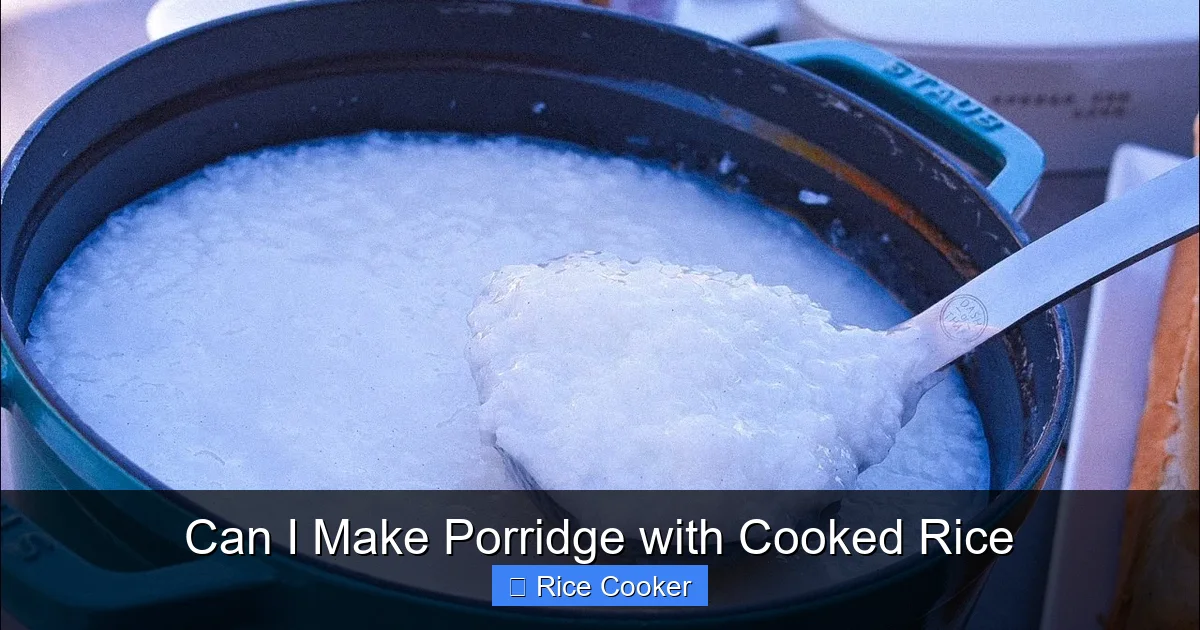
Visual guide about Can I Make Porridge with Cooked Rice
Image source: i.ytimg.com
Before diving into recipes, let’s talk about why cooked rice works so well as a porridge base. When rice is cooked, its starches gelatinize—meaning they absorb water and swell, breaking down the grain’s structure. When you reheat it with more liquid, those starches rehydrate and release again, creating a smooth, cohesive texture.
This process is especially effective with certain rice varieties. Short-grain rice, like Japanese sushi rice, contains more amylopectin (a sticky starch), which helps bind grains together when reboiled. Long-grain varieties like basmati or jasmine have higher amylose content, leading to looser, fluffier results. But don’t worry—even if your porridge ends up slightly grainy, it’s still delicious!
The key is moisture. Unlike raw rice, which needs hours to soften, cooked rice only needs a few minutes of gentle simmering or steaming to become porridge-ready. That’s why using a rice cooker is such a game-changer. Modern models often include a “porridge” or “congee” setting that slowly warms the mixture, preventing scorching and ensuring even heating.
Why Use Cooked Rice Instead of Raw?
You might be wondering: why not just cook raw rice in the rice cooker with extra water from the start? While that works, there are advantages to starting with cooked rice:
- Faster preparation: No waiting for the rice to fully cook—just add liquid and go.
- Less energy use: Reheating uses significantly less power than full cooking cycles.
- Better texture control: You can fine-tune thickness by adjusting liquid quantity.
- Reduced risk of overcooking: Since the rice is already cooked, you’re less likely to end up mushy.
Plus, using leftovers fights food waste—a win for your wallet and the planet. So next time you’re about to throw away that half-cooked batch, think twice. With just a splash of water or milk, it could become your new favorite breakfast.
Choosing the Right Rice for Porridge
Not all rice is created equal when it comes to porridge-making. While any cooked rice will do in a pinch, some types yield better results than others. Here’s what to look for:
Short-Grain Rice (e.g., Sushi Rice, Calrose)
Ideal for creamy, cohesive porridge. Its high starch content helps bind grains together, resulting in a smooth, almost custard-like texture. Perfect for congee or sweet rice porridge.
Medium-Grain Rice
A balanced option—less sticky than short-grain but creamier than long-grain. Works well for both savory and sweet versions.
Long-Grain Rice (e.g., Jasmine, Basmati, American Long Grain)
These tend to remain separate grains after reboiling, giving a slightly chewier texture. Great if you prefer less stickiness. Jasmine rice, in particular, adds a subtle floral aroma that enhances sweet porridge.
Brown Rice
While nutritious, brown rice requires longer soaking and may need extra liquid due to its bran layer. It can work, but results vary—some find it too dense or gritty unless finely ground first.
Precooked or Instant Rice?
Instant rice is convenient but often lacks the texture needed for true porridge. Still, it can be used in emergencies—just increase liquid slightly and stir frequently.
For best results, store cooked rice in an airtight container and refrigerate for up to 5 days (or freeze for up to 3 months). When ready to make porridge, thaw overnight or microwave briefly to loosen clumps.
Step-by-Step Guide: Making Porridge with Cooked Rice in a Rice Cooker
Now for the fun part—turning that leftover rice into porridge! Follow these simple steps for foolproof results every time.
Gather Your Ingredients
- 1–2 cups cooked rice (cold or room temperature)
- 1–3 cups liquid (water, milk, almond milk, coconut milk, or broth)
- Optional flavorings: salt, sugar, cinnamon, vanilla extract, honey
- Toppings: fresh fruit, nuts, seeds, jam, yogurt, maple syrup
Prepare the Rice Cooker
If your rice cooker has a “porridge” or “congee” setting, select it. Otherwise, use the standard “cook” function—but monitor closely to avoid boiling over. Line the inner pot with parchment paper or lightly grease it to prevent sticking.
Add Rice and Liquid
Start with a 1:1 ratio (e.g., 1 cup rice to 1 cup liquid). Adjust based on desired thickness:
- Thinner porridge: 1:2 or more liquid
- Thicker porridge: 1:0.75 liquid
For richer flavor, substitute part of the water with milk or broth.
Cook and Stir
Press start. If using the default setting, stir every 2–3 minutes after the first 5 minutes to break up clumps and ensure even heating. Total cooking time: 8–15 minutes, depending on liquid volume and desired texture.
Season and Serve
Once creamy and smooth, remove from heat. Add salt (for savory) or sugar/spices (for sweet). Stir well. Let sit for 2–3 minutes—this allows flavors to meld and the porridge to thicken slightly.
Customize Your Bowl
Top with whatever sounds good! A spoonful of berries and a sprinkle of almonds? Done. For savory lovers, try scrambled eggs, green onions, and soy sauce. The possibilities are endless.
Pro tip: If your rice cooker has a keep-warm function, use it briefly to maintain temperature without overcooking. Avoid leaving porridge on “keep warm” for too long, as it can dry out.
Sweet vs. Savory: Flavor Variations
One of the best things about using cooked rice for porridge is how versatile it is. You can easily adapt it to suit your mood or dietary needs.
Sweet Porridge Ideas
- Classic Rice Pudding: Use whole milk, a pinch of salt, 2 tbsp sugar, and a dash of vanilla. Cook until creamy, then chill and top with raisins and cinnamon.
- Fruit Medley: Fold in diced apples, pears, or bananas during the last minute of cooking. Finish with a drizzle of honey and crushed pistachios.
- Chocolate Rice Porridge: Stir in cocoa powder or melted dark chocolate at the end. Top with banana slices and shredded coconut.
- Miso-Sweet Twist: Blend in a teaspoon of white miso paste for umami depth—surprisingly delightful with a touch of brown sugar.
Savory Porridge Ideas
- Congee (Chinese Rice Porridge): Use chicken or vegetable broth, ginger, garlic, and scallions. Add soft-boiled egg, pickled vegetables, and cilantro.
- Mushroom & Herb: Sauté mushrooms and herbs in butter, then blend into the rice porridge. Season with thyme and black pepper.
- South Indian Lemon Rice Porridge: Mix cooked rice with lemon juice, curry leaves, mustard seeds, and grated coconut. Serve warm with papadums.
- Cheese & Herb: Stir in grated Parmesan or cheddar with fresh chives and a pinch of nutmeg. Ideal for dinner!
Experimentation is encouraged! Taste as you go and trust your instincts. What works for someone else might be your new obsession.
Tips for Perfect Porridge Every Time
Even with the right technique, small details can make a big difference. Here are pro tips to elevate your cooked rice porridge game:
Break Up Clumps First
Cold cooked rice often forms hard clumps. Mash them gently with a fork or whisk before adding liquid. This ensures even absorption and smoother texture.
Use Warm Liquid
Adding cold liquid can shock the rice and cause uneven cooking. Warm your milk or broth slightly (not hot!) before mixing.
Stir Constantly During Early Cooking
Prevents sticking and promotes uniform thickening. Once creamy, occasional stirring is fine.
Don’t Overfill the Pot
Leave room for expansion. Too much rice + too much liquid = messy overflow.
Let It Rest
After cooking, cover and let sit for 2–3 minutes. This allows residual heat to finish the process and improves mouthfeel.
Reheat Properly
If storing leftovers, cool completely before refrigerating. To reheat, add a splash of liquid and warm gently on the stove or in the microwave, stirring often.
Adjust Thickness Later
Thick porridge thickens further when cooled. If too firm, simply add warm liquid and stir until desired consistency.
Common Mistakes to Avoid
Despite its simplicity, making porridge with cooked rice isn’t foolproof. Watch out for these pitfalls:
Overcooking
Even though rice is pre-cooked, prolonged heat can break down grains too much, leading to a gluey mess. Stick to recommended times and stop when creamy.
Wrong Liquid Ratio
Too little liquid = lumpy porridge. Too much = thin, watery result. Start conservative and adjust.
Skipping Stirring
Unstirred porridge burns at the bottom—especially problematic in electric rice cookers with low heat settings.
Using Stale or Old Rice
Rice loses moisture over time. Freshly cooked rice (within 24 hours) works best. If using older rice, increase liquid slightly.
Ignoring Salt or Sweetener
Plain porridge tastes bland. A pinch of salt enhances natural flavors; a touch of sweetness balances richness.
Not Preparing Toppings Ahead
Having toppings ready makes serving instant and enjoyable. Chop fruits, toast nuts, or portion yogurt while porridge cooks.
By avoiding these mistakes, you’ll consistently end up with restaurant-quality porridge at home.
Nutritional Benefits of Rice Porridge
Beyond taste and convenience, cooked rice porridge offers several health perks—especially when made with wholesome ingredients.
Easily Digestible
The rehydration process softens rice grains, making them gentler on the stomach. Ideal for kids, seniors, or anyone with sensitive digestion.
Energy-Rich
Carbohydrates from rice provide sustained energy, perfect for busy mornings or post-workout recovery.
Versatile Nutrient Base
When paired with milk, nuts, seeds, or fruits, porridge becomes a balanced meal. Add protein powder for muscle support or chia seeds for omega-3s.
Low-Fat Option
Use water or plant-based milk instead of cream to keep calories in check. Top with fresh fruit instead of sugary jam.
Supports Gut Health
Fermented ingredients like kimchi (in savory versions) or probiotic-rich yogurt introduce beneficial bacteria.
Just remember: balance is key. While rice provides quick energy, pair it with protein and fiber for lasting fullness.
Storage and Meal Prep Tips
Want to streamline your routine? Prep ahead!
Make-Ahead Porridge
Cook a large batch on Sunday night. Portion into jars with toppings layered underneath. Refrigerate for up to 4 days. Reheat with a splash of liquid.
Freeze for Later
Pour cooled porridge into ice cube trays or freezer-safe containers. Thaw overnight in the fridge and reheat gently.
Batch-Cook Rice
Cook rice in bulk and freeze in portions. Defrost as needed for instant porridge bases.
Label Everything
Include date and ingredients on containers—especially important if experimenting with new flavors.
With proper storage, you can enjoy porridge daily without daily prep. It’s sustainable, economical, and endlessly customizable.
Fun Facts About Porridge Around the World
Did you know porridge has global roots? Here are a few cultural tidbits:
- In Japan, okayu (rice porridge) is served to the sick and elderly, often with salt, ginger, or miso.
- Scottish oat porridge dates back to the Iron Age and remains a national breakfast staple.
- Egyptians made tahtaib, a sweet rice pudding flavored with rosewater and nuts, as far back as 1500 BCE.
- In India, kheer (rice milk pudding) is a festive dessert made during festivals and weddings.
- Native Americans used cornmeal porridge as a foundational food long before European contact.
Each culture adds its own twist—proving that porridge is truly universal.
Final Thoughts: Yes, You Can—And Should!
So, can you make porridge with cooked rice? Without a doubt. It’s quick, cost-effective, eco-friendly, and delicious. Whether you’re using a fancy rice cooker or a basic model, the process is straightforward and rewarding. From creamy jasmine rice pudding to savory ginger-miso congee, the flavors are limited only by your imagination.
Next time you’re faced with leftover rice, don’t hesitate. Grab your rice cooker, add a little love (and liquid), and transform yesterday’s meal into today’s comfort. Your taste buds—and your schedule—will thank you.
Frequently Asked Questions
Can I use frozen cooked rice to make porridge?
Yes, frozen cooked rice works well! Thaw it completely before using, and increase liquid slightly since frozen rice holds more moisture. Stir frequently while cooking to achieve the right consistency.
How much liquid should I add to cooked rice for porridge?
Start with a 1:1 ratio (1 cup rice to 1 cup liquid), then adjust as needed. For thinner porridge, use up to 3 cups liquid per 1 cup rice. Always taste and texture-check before finishing.
Will my rice cooker burn the porridge?
Most modern rice cookers have non-stick coatings and auto-shutoff features that reduce burning risk. However, stir occasionally and avoid overfilling. Using a porridge-specific setting helps prevent issues.
Can I make vegan porridge with cooked rice?
Absolutely! Use plant-based milk (like oat or almond) instead of dairy, and sweeten with maple syrup or agave. Add nuts, seeds, or fruit for natural sweetness and nutrition.
How long does cooked rice porridge last in the fridge?
Store in an airtight container for up to 4 days. Reheat gently on the stovetop or microwave, adding a splash of liquid if it thickens.
Is it better to use freshly cooked rice or day-old rice?
Freshly cooked rice (within 24 hours) gives the best texture and flavor. Day-old rice is acceptable but may require more liquid and stirring to rehydrate properly.