
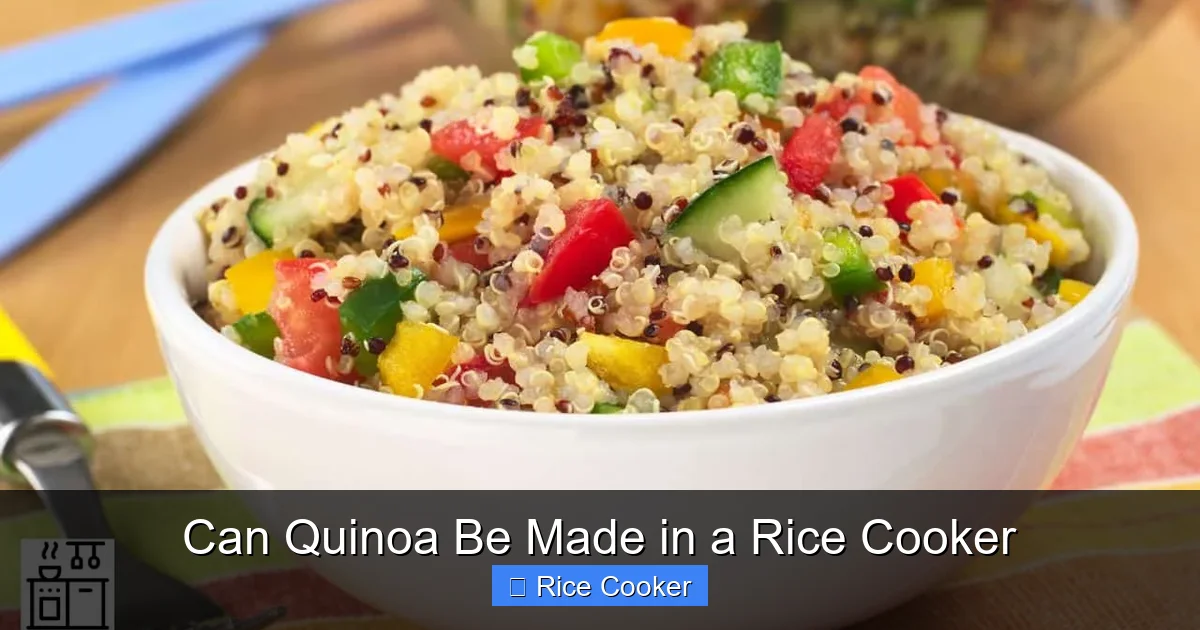
Can quinoa be made in a rice cooker? Absolutely! With the right water-to-quinoa ratio and a few simple steps, your rice cooker turns out perfectly fluffy quinoa every time. Whether you’re meal prepping or cooking dinner, this method saves time while preserving quinoa’s protein-rich goodness.
Key Takeaways
- Yes, quinoa cooks beautifully in a rice cooker. It’s one of the easiest grains to prepare using this appliance.
- The ideal water-to-quinoa ratio is 1:2 (one cup quinoa to two cups water). This ensures tender, non-gummy results.
- Rinsing quinoa before cooking removes bitterness. Always rinse until water runs clear.
- Most rice cookers have a “brown rice” or “multigrain” setting. These work great for quinoa.
- Quinoa takes about 15–18 minutes to cook fully. Check doneness by fluffing with a fork.
- Store leftover quinoa properly to keep it fresh. Refrigerate in an airtight container for up to 5 days.
- Quinoa adds protein, fiber, and nutrients to any dish. Making it in a rice cooker makes healthy eating effortless.
📑 Table of Contents
- Can Quinoa Be Made in a Rice Cooker? A Complete Guide
- The Science Behind Cooking Quinoa
- How to Make Perfect Quinoa in a Rice Cooker
- What Happens If You Don’t Rinse Quinoa?
- Different Types of Quinoa and Their Cooking Times
- Common Mistakes When Cooking Quinoa in a Rice Cooker
- Ways to Use Cooked Quinoa Beyond the Basic Bowl
- Cleaning and Maintaining Your Rice Cooker
- Final Thoughts: Is a Rice Cooker Worth It for Quinoa?
Can Quinoa Be Made in a Rice Cooker? A Complete Guide
Have you ever stood over the stove, watching water bubble and steam away as you stir quinoa? The constant stirring, the risk of burning, the guesswork on timing—it can feel tedious, especially when you’re juggling multiple meals. But what if I told you there’s a smarter, easier way to cook quinoa? Enter: the humble rice cooker.
If you own a rice cooker, you’re already halfway to mastering quinoa. That’s because cooking quinoa in a rice cooker is not only possible—it’s simple, consistent, and delivers perfectly fluffy results every single time. No more overcooked mush or underdone clumps. Just rinse, add water, press a button, and walk away. In about 20 minutes, you’ll have nutrient-packed, golden-hued quinoa ready to serve or store.
But before we dive into the how-to, let’s talk about why this method works so well. Rice cookers are designed to regulate heat and moisture precisely—something that’s crucial when cooking delicate grains like quinoa. Unlike boiling, which can break down quinoa too quickly, the sealed environment of a rice cooker allows even cooking without constant attention. And since quinoa is gluten-free, high in protein, and loaded with fiber, making it in a rice cooker means you’re preparing a superfood efficiently.
The Science Behind Cooking Quinoa
To understand why quinoa works so well in a rice cooker, it helps to know what makes it unique. Quinoa (pronounced keen-wah) is technically a seed from the Chenopodium plant, often grouped with grains like rice or barley. But unlike most grains, it’s naturally rich in complete proteins—containing all nine essential amino acids. That’s rare among plant foods!
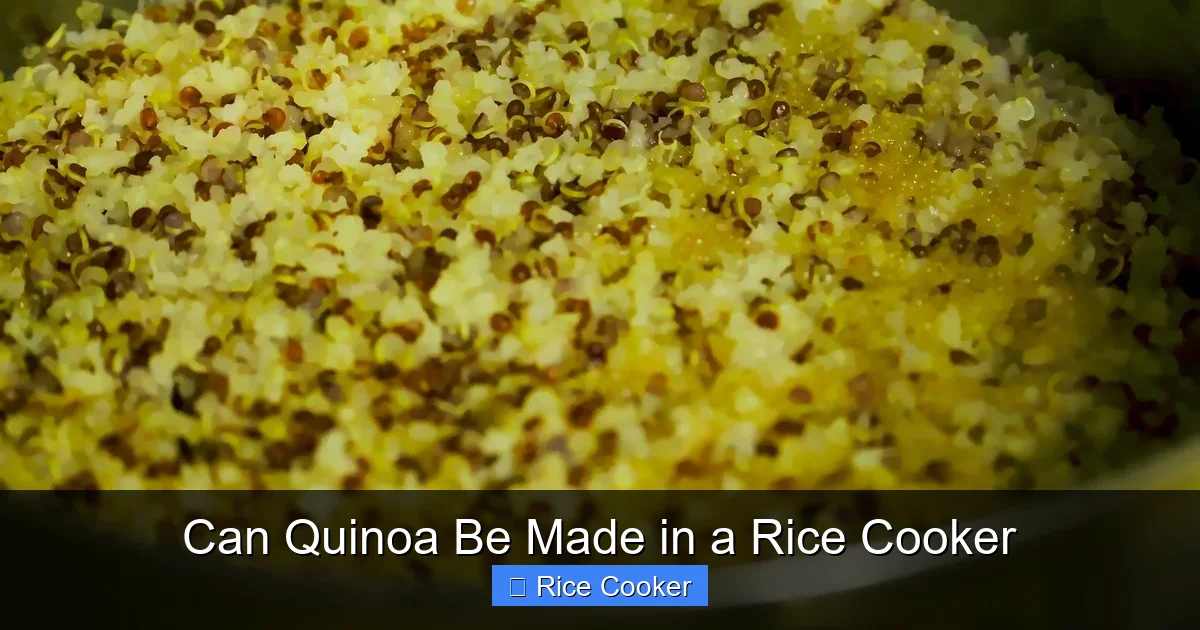
Visual guide about Can Quinoa Be Made in a Rice Cooker
Image source: ricecookeradvice.com
However, quinoa has one trick up its sleeve: saponins. These natural compounds give quinoa a bitter taste and can make it unpalatable if not rinsed properly. Saponins also act as a natural pesticide, which is why they coat the seeds. Rinsing thoroughly before cooking is non-negotiable to remove these bitter agents and ensure a smooth, nutty flavor.
Now, when you cook quinoa on the stovetop, you’re essentially steaming it in liquid. The same principle applies in a rice cooker. The appliance heats the water, creating steam that gently cooks the quinoa. As the water evaporates and the temperature stabilizes, the starch inside the quinoa gelatinizes, turning it soft and fluffy. Because rice cookers maintain consistent heat and shut off automatically when done, you avoid the common pitfalls of overcooking or burning.
Why Use a Rice Cooker Instead of the Stovetop?
You might wonder: why go through the trouble of buying a rice cooker just for quinoa? Well, it’s not about necessity—it’s about convenience and consistency. On the stovetop, you need to monitor the pot, stir occasionally, and adjust heat levels. With a rice cooker, it’s hands-off cooking. Once you set it, you can focus on chopping vegetables, marinating meat, or cleaning up. Plus, the results are nearly identical every time—no more guessing games.
Another benefit? Energy efficiency. Rice cookers use less power than stovetops, especially electric burners. And because they retain heat well, you get faster cooking times. Most modern rice cookers also come with delay timers, so you can start cooking quinoa while you sleep and wake up to warm, ready-to-eat grains.
How to Make Perfect Quinoa in a Rice Cooker
Cooking quinoa in a rice cooker is incredibly straightforward. Follow these steps, and you’ll have restaurant-quality results at home:
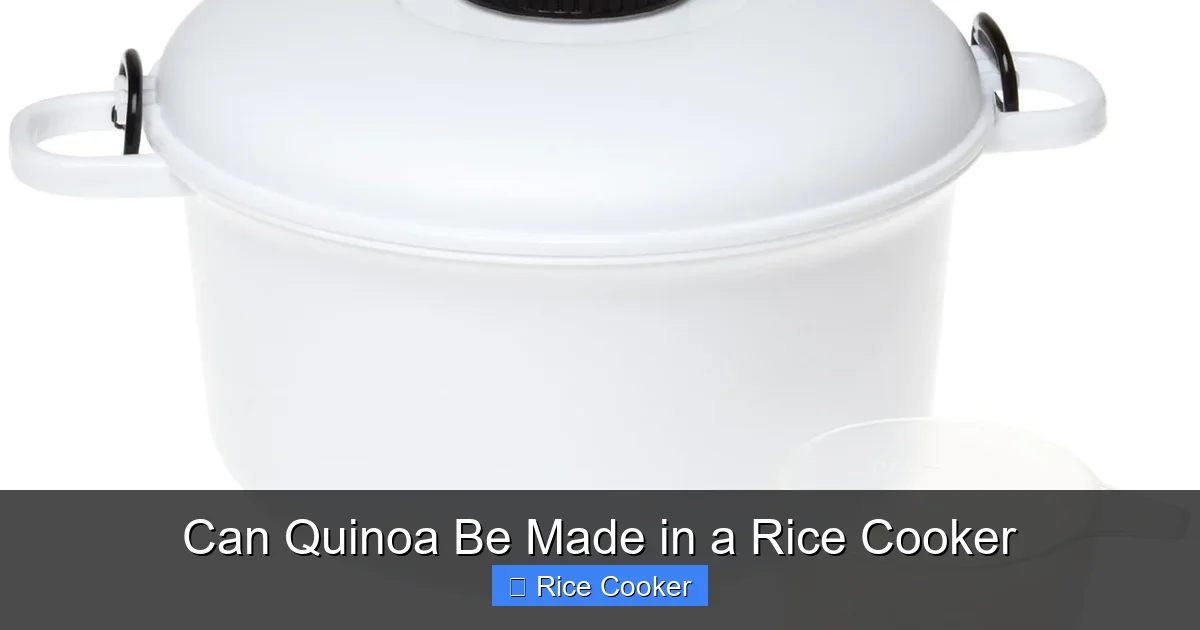
Visual guide about Can Quinoa Be Made in a Rice Cooker
Image source: images-na.ssl-images-amazon.com
- Rinse the quinoa. Place 1 cup of quinoa in a fine-mesh strainer and run it under cold water for 60 seconds. Rub the seeds between your fingers to help dislodge saponins. Keep rinsing until the water runs clear.
- Add water. Transfer the rinsed quinoa to the inner pot of your rice cooker. Add 2 cups of water (or broth for extra flavor). For a creamier texture, use 1.75 cups liquid instead.
- Optional: Toast lightly. Some chefs recommend toasting quinoa in the rice cooker for 1–2 minutes before adding water. This enhances the nutty flavor, though it’s not required.
- Cook. Close the lid, select the “white rice” or “multigrain” setting, and press start. Total cooking time is usually 15–18 minutes.
- Let it rest. Once the cycle ends, wait 5 minutes before opening the lid. This allows residual steam to finish cooking the quinoa evenly.
- Fluff and serve. Use a fork to gently fluff the quinoa. It should be light, airy, and slightly moist but not soggy.
For best results, use a medium-grind quinoa—the most common type available. Red or black quinoa can also be cooked the same way, though they may take slightly longer due to their denser structure. Brown quinoa, while nuttier and chewier, works well too, especially if your rice cooker has a “brown rice” setting.
Pro Tips for Fluffy, Delicious Quinoa
Even with the right method, small adjustments can make a big difference:
- Don’t skip rinsing. Even organic quinoa contains saponins. Skipping this step leads to bitterness.
- Use filtered water. Tap water can sometimes affect taste, especially in older homes with mineral buildup.
- Season while cooking. Add a pinch of salt, garlic powder, or herbs to the water for extra flavor.
- Avoid opening the lid. Doing so releases steam and can lead to uneven cooking.
- Experiment with liquids. Swap water for vegetable broth, coconut milk (for a tropical twist), or even apple cider vinegar (in small amounts) for variety.
What Happens If You Don’t Rinse Quinoa?
Many people assume rinsing quinoa is optional, especially if they’re in a rush. But skipping this step can ruin the experience. Unrinsed quinoa retains saponins, giving it a soapy or bitter aftertaste that’s hard to ignore. It’s not just unpleasant—it’s also unnecessary. Since quinoa is dry and porous, it soaks up water quickly during cooking. That means the bitterness gets absorbed into every grain, making the whole batch inedible.
In contrast, properly rinsed quinoa has a clean, earthy flavor that pairs beautifully with salads, soups, curries, or even breakfast bowls topped with fruit and nuts. Think of it like washing beans before soaking—it’s a small step that prevents big problems later.
Fun fact: some brands sell “pre-rinsed” quinoa, but even then, a quick rinse ensures maximum freshness and taste. So don’t cut corners here. Your future self will thank you.
Different Types of Quinoa and Their Cooking Times
Not all quinoa is created equal. There are three main varieties, each with subtle differences in texture, color, and cooking behavior:
White Quinoa
This is the most common type, often called “regular” or “cream-colored” quinoa. It has a mild, neutral flavor and cooks quickly—usually 12–15 minutes in a rice cooker. Its fluffy texture makes it ideal for pilafs, side dishes, and grain salads.
Red Quinoa
Slightly chewier than white quinoa, red quinoa holds its shape better after cooking. It’s great in hearty salads or stuffed peppers. Cooking time increases to about 15–18 minutes. The earthy flavor complements root vegetables and roasted meats.
Black Quinoa (also called Black Knight)
Dense and almost purple-black, black quinoa has a deep, robust flavor and firm texture. It’s excellent in grain bowls or desserts like puddings. Expect 18–20 minutes of cooking time. Its intense color also makes dishes visually striking.
Regardless of the type, all varieties follow the same basic cooking process in a rice cooker. Just adjust water slightly if needed—black quinoa may require an extra splash of liquid due to its density.
Common Mistakes When Cooking Quinoa in a Rice Cooker
Even with the right technique, mistakes happen—especially if you’re new to cooking quinoa. Here are the most frequent errors and how to fix them:
- Using too much water. Too much liquid leads to sticky, mushy quinoa. Stick to the 1:2 ratio.
- Not letting it rest.** Opening the lid immediately after cooking causes condensation to drip back into the quinoa, making it soggy.
- Skipping rinsing.** As mentioned earlier, this introduces bitterness.
- Overfilling the pot.** Most rice cookers have a max fill line. Exceeding it risks overflow and mess.
- Using old or expired quinoa.** Check expiration dates. Old quinoa can taste dull or develop off-flavors.
- Stirring too soon.** Resist the urge to stir during cooking. Let the machine do its job.
If your quinoa turns out gummy or undercooked, try adjusting the water next time—or consider switching to a different brand. Some quinoa batches vary in quality due to storage conditions.
Ways to Use Cooked Quinoa Beyond the Basic Bowl
Once you’ve mastered cooking quinoa in a rice cooker, the possibilities are endless. This versatile grain isn’t just for salads—it’s a blank canvas for creativity. Here are some delicious ways to enjoy it:
- Breakfast porridge. Warm quinoa with almond milk, cinnamon, and maple syrup. Top with berries and chopped almonds.
- Mediterranean bowl. Mix quinoa with chickpeas, cucumber, tomatoes, olives, feta, and lemon-tahini dressing.
- Mexican-inspired. Stir in black beans, corn, avocado, lime juice, and cilantro for a fiesta-style meal.
- Sushi substitute. Use cooked quinoa instead of rice for poke bowls or hand rolls.
- Baked goods. Fold into muffins, breads, or energy bars for added protein and fiber.
- Soup thickener. Blend a portion into broths for a creamy, nutritious base.
- Snack bites. Combine with oats, peanut butter, honey, and dried fruit to make no-bake energy balls.
Because quinoa is naturally gluten-free and high in protein, it’s a favorite among athletes, vegetarians, and anyone looking to eat cleaner. And thanks to your rice cooker, preparing it takes less time than boiling pasta.
Cleaning and Maintaining Your Rice Cooker
After making quinoa (or any grain), proper cleanup keeps your rice cooker functioning well and prevents odors or residue buildup. Here’s how:
- Unplug and cool completely. Never clean a hot appliance.
- Remove the inner pot.** Wash with warm, soapy water. Avoid abrasive scrubbers that could scratch the surface.
- Wipe the exterior.** Use a damp cloth; never submerge electrical parts.
- Check the sealing ring.** Remove it periodically and wash separately to prevent mold.
- Descaling (if applicable).** If you use hard water frequently, mineral deposits may form. Soak the pot in vinegar-water solution (1:1) for 30 minutes, then scrub gently.
Regular maintenance extends the life of your rice cooker and ensures hygienic food prep. Plus, a clean machine cooks more evenly—so your quinoa stays perfect.
Final Thoughts: Is a Rice Cooker Worth It for Quinoa?
At this point, you’re probably convinced: yes, quinoa can absolutely be made in a rice cooker—and it’s one of the best uses for the appliance. Not only does it simplify meal prep, but it also guarantees consistent results. Whether you’re feeding a family, meal prepping for the week, or experimenting with global flavors, having fluffy quinoa ready in minutes is a game-changer.
And honestly? A good rice cooker is more than just a kitchen gadget. It’s a tool for healthier living. From brown rice to lentils, oats to polenta, it handles a wide range of grains effortlessly. Investing in one means you’ll rely on stovetops less, saving time and energy. Plus, many models now include programmable settings, keep-warm functions, and even steaming baskets—making it a multi-functional kitchen hero.
So next time you reach for quinoa, forget the pot and lid. Grab your rice cooker instead. Rinse, measure, press start, and let science do the rest. Before you know it, you’ll be serving up vibrant, protein-packed meals that taste homemade—even if you didn’t lift a whisk.
Frequently Asked Questions
Can quinoa be cooked in a rice cooker?
Yes, quinoa can be cooked in a rice cooker with excellent results. Using the right water-to-grain ratio and rinsing beforehand ensures fluffy, flavorful quinoa every time.
Do I need to rinse quinoa before cooking it in a rice cooker?
Absolutely. Rinsing removes saponins, which cause a bitter taste. Rinse until the water runs clear before adding to the rice cooker.
What is the ratio of water to quinoa for rice cooker cooking?
The standard ratio is 1 cup quinoa to 2 cups water. Adjust slightly based on desired texture—use less water for firmer quinoa.
How long does quinoa take to cook in a rice cooker?
Most rice cookers take 15–18 minutes to cook quinoa. Check doneness by fluffing with a fork—it should be tender but not mushy.
Can I cook other grains in the same rice cooker used for quinoa?
Yes! Rice cookers handle brown rice, millet, barley, farro, and more. Each may require slight adjustments in water or time.
Is quinoa healthier than rice?
Quinoa is higher in protein, fiber, and essential amino acids than white rice. It’s also gluten-free, making it a nutritious alternative for many diets.