
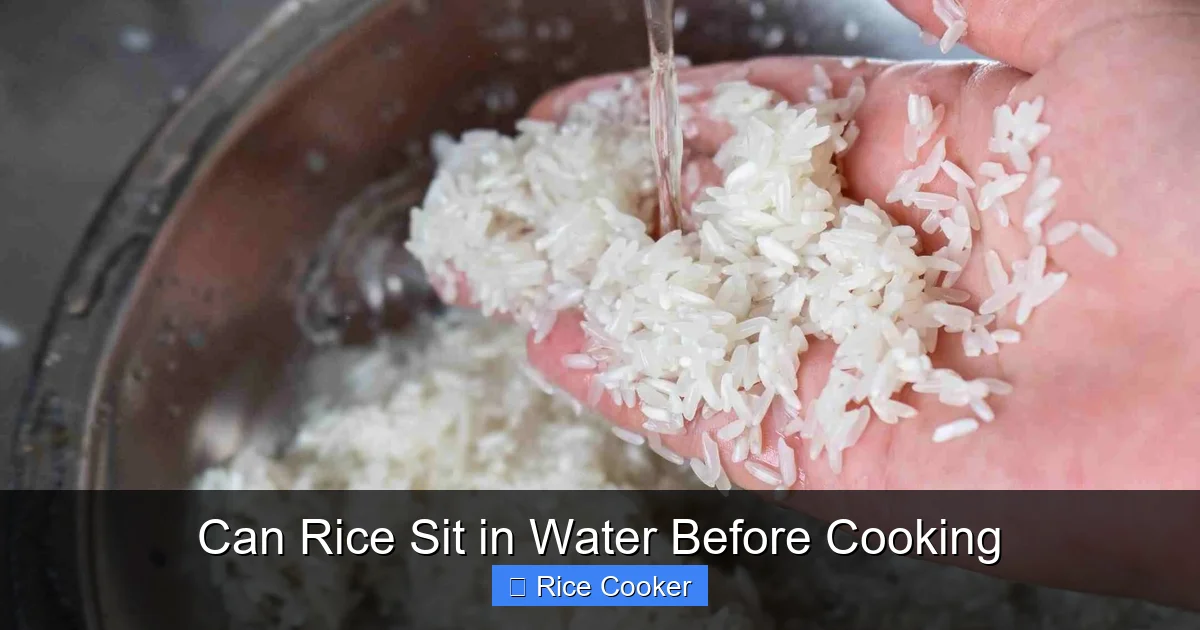
Can rice sit in water before cooking? Yes—but how long and why matter. Soaking rice can soften grains, shorten cook time, and reduce stickiness, but overdoing it may dilute nutrients or affect texture. For most types of rice, a 15–60 minute soak is ideal when using a rice cooker.
Key Takeaways
- Soaking rice softens the outer starch layer, helping it absorb water more evenly during cooking.
- Most rice cookers work best with soaked rice, especially for long-grain varieties like basmati or jasmine.
- Over-soaking (over 2 hours) can leach out nutrients and weaken the grain structure.
- Cooking times decrease by up to 10–15 minutes when rice is pre-soaked.
- Soaking isn’t necessary for all rice types—short-grain and sticky rice often skip this step.
- Always rinse soaked rice before draining to remove excess starch.
- Use room-temperature water for soaking to avoid altering the rice’s natural enzymes.
📑 Table of Contents
- Can Rice Sit in Water Before Cooking? A Complete Guide for Rice Cooker Users
- The Science Behind Soaking Rice
- Does It Matter for Your Rice Cooker?
- Which Types of Rice Benefit Most from Soaking?
- Step-by-Step Guide: How to Soak Rice Properly
- Common Mistakes to Avoid
- Benefits Beyond Texture: Why Soaking Matters
- Soaking vs. Not Soaking: What Do Experts Say?
- Special Considerations: Dietary and Cultural Practices
- Can You Soak Rice Overnight?
- What About Using a Rice Cooker’s Soak Mode?
- Final Tips for Perfect Soaked Rice
- Conclusion: Should You Soak Your Rice?
Can Rice Sit in Water Before Cooking? A Complete Guide for Rice Cooker Users
Rice is one of the world’s most beloved staple foods—whether it’s fluffy jasmine rice in Thai stir-fries, aromatic basmati in Indian biryanis, or creamy sushi rice in Japanese homes. But have you ever wondered: can rice sit in water before cooking? The short answer is yes—and doing so might just transform your next pot of rice from average to exceptional.
For many home cooks, the process of cooking rice in a rice cooker seems simple: add rice, add water, press start. But behind that simplicity lies a science of hydration, starch breakdown, and texture control. One common question that arises is whether letting rice soak in water before cooking affects the outcome. In this article, we’ll explore everything you need to know about soaking rice, why it matters, how long to do it, and whether your rice cooker benefits from this extra step.
The Science Behind Soaking Rice
Before diving into tips and techniques, it helps to understand what happens when rice sits in water. Rice grains are coated with a layer of starch, primarily amylose and amylopectin. When dry rice comes into contact with water, these starches begin to absorb moisture and swell. This process is called hydration.
Visual guide about Can Rice Sit in Water Before Cooking
Image source: kitchensnitches.com
Starch Gelatinization and Texture
During cooking, heat causes the starch granules to expand and burst—this process is known as gelatinization. If rice is soaked first, the starch has already started absorbing water, so less heat energy is needed to achieve full gelatinization. This means softer, more uniform grains and reduced cooking time.
Think of it like this: dry rice is like a sponge waiting to be wrung out. Soaking it ahead of time gives it a head start on absorbing water, so it doesn’t have to work as hard during the actual cooking phase.
Nutrient Leaching: A Double-Edged Sword
While soaking improves texture, it can also lead to nutrient loss. Rice contains small amounts of water-soluble vitamins like B1 and B6. Prolonged soaking—especially in hot water—can wash these nutrients away into the soaking water. However, if you rinse the rice after soaking and discard the water, you minimize this loss.
So, soaking isn’t just about texture—it’s a balance between better mouthfeel and potential nutritional trade-offs.
Does It Matter for Your Rice Cooker?
Yes, absolutely. Most modern rice cookers rely on precise temperature control and steam regulation to cook rice evenly. When rice is pre-soaked, the cooker doesn’t have to work as hard to bring the grains to the right consistency. This leads to:
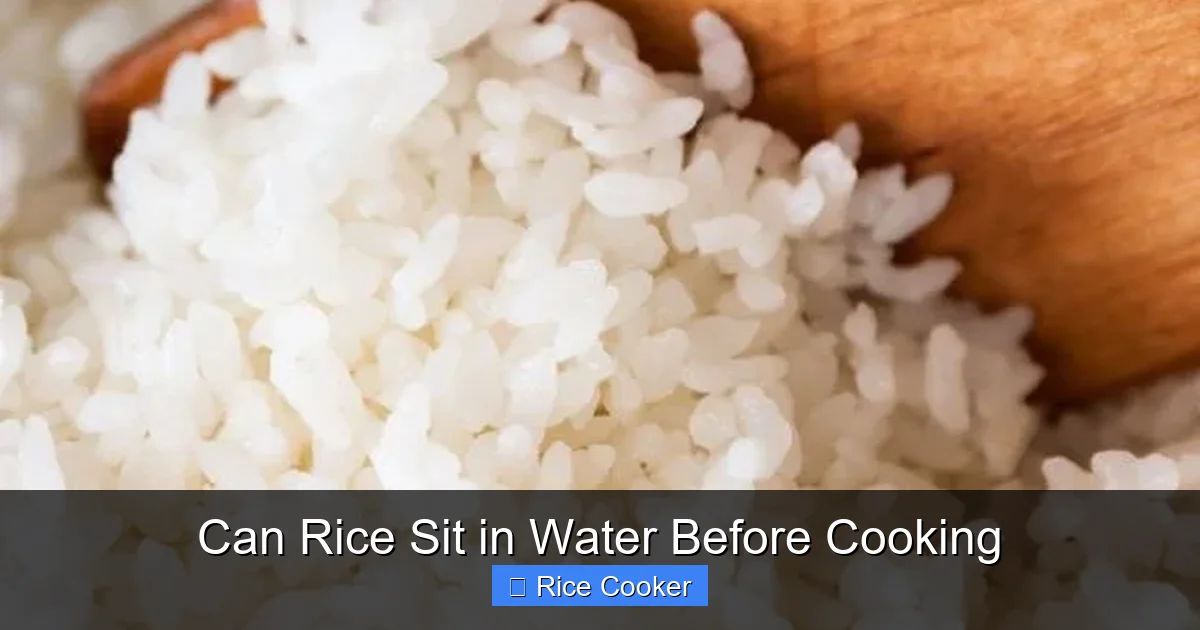
Visual guide about Can Rice Sit in Water Before Cooking
Image source: kitchenseer.com
- More consistent results across batches
- Reduced risk of undercooked or mushy rice
- Faster cooking cycles
- Less energy use
How Rice Cookers Detect Doneness
Many rice cookers use a thermostat or pressure sensor to determine when the rice is done. These systems respond better when the rice has already begun hydrating. Without soaking, the cooker may overcook the exterior while leaving the center chewy.
In short: soaking helps your rice cooker do its job more efficiently.
Which Types of Rice Benefit Most from Soaking?
Not all rice responds the same way to soaking. Let’s break it down by variety.
Long-Grain Rice (Basmati, Jasmine, American)
These are the stars of the soaking show. Their elongated shape and low starch content make them ideal candidates for pre-soaking. Basmati and jasmine rice, in particular, develop a light, fluffy texture and distinct aroma when soaked for 30–60 minutes. Many chefs recommend soaking basmati overnight for restaurant-quality results—though 30 minutes at room temperature works well for home cooks.
Brown Rice
Brown rice has a tougher bran layer, so soaking helps soften it and reduce cooking time. Aim for 30–45 minutes. Overnight soaking can help with even cooking, especially for older or harder-to-cook batches.
Short-Grain and Sticky Rice (Sushi Rice, Glutinous Rice)
These rice types are already high in amylopectin, which makes them sticky when cooked. Soaking isn’t usually necessary and can sometimes make them too soft. If you do soak them, limit it to 15–30 minutes and avoid rinsing afterward, as the sticky coating helps bind the grains together.
Instant and Quick-Cook Rice
These varieties are pre-treated to cook faster and don’t require soaking. Adding water ahead of time won’t significantly improve them—and might even make them mushy.
Step-by-Step Guide: How to Soak Rice Properly
If you’re convinced soaking is worth trying, here’s how to do it right—especially if you’re using a rice cooker.
1. Measure and Rinse First
Measure your rice and place it in a bowl. Rinse it under cold running water 2–3 times until the water runs clear. This removes surface starch and dust, preventing clumping.
2. Add Room-Temperature Water
Fill the bowl with enough water to cover the rice by about 1–2 inches. Use room-temperature water—never hot. Hot water can begin cooking the rice prematurely and alter its texture.
3. Let It Soak
Cover the bowl and let it sit for:
- 15–30 minutes for short-grain or sushi rice
- 30–60 minutes for long-grain rice (basmati, jasmine)
- 30–45 minutes for brown rice
4. Drain and Rinse Again
After soaking, drain the water completely. Give the rice one final rinse under cold water to remove any remaining starch. Then transfer it to your rice cooker.
5. Adjust Water Ratio Slightly
Since the rice has already absorbed some water, reduce the cooking water by 1–2 tablespoons per cup of rice. Too much water can result in soggy rice.
6. Start Cooking
Add the rice and adjusted water to your rice cooker. Press the cook button and let it do its magic. The cooking time will likely be shorter than usual.
Common Mistakes to Avoid
Even experienced cooks make errors when soaking rice. Here are some pitfalls to watch out for.
Soaking in Hot Water
Hot water can begin the cooking process before you’re ready. It may also cause the outer layer of the grain to break down unevenly. Always use cold or room-temperature water.
Leaving Rice Soaked for Too Long
A few hours is fine—even overnight in a cool place—but beyond 24 hours, the rice can develop off-flavors or become overly soft. Also, bacteria can grow if left at room temperature too long. If soaking overnight, keep the bowl in the refrigerator.
Not Draining or Rinsing After Soaking
Excess water must be removed. Leaving it sitting in soaking water can dilute the rice and lead to poor texture. Always drain thoroughly.
Using Salt or Oil During Soaking
Some people add salt or oil to soaking water to enhance flavor or prevent sticking. While this doesn’t harm the rice, it’s unnecessary and can affect the rice cooker’s performance. Save salt and oil for the cooking stage.
Benefits Beyond Texture: Why Soaking Matters
Soaking rice isn’t just about making it fluffier. There are several hidden advantages.
Reduced Cooking Time
Studies show that soaking long-grain rice can cut cooking time by 10–15%. That’s not just a convenience—it saves energy and reduces wear on your rice cooker’s heating element.
Improved Digestibility
Soaking breaks down some of the complex carbohydrates and phytates in rice, making it easier to digest. This is especially helpful for people with sensitive stomachs or those following a raw or low-processed diet.
Enhanced Flavor Absorption
When rice is pre-hydrated, it absorbs flavors more evenly during cooking. This is why soaking is popular in biryani and pilaf recipes—the rice takes on spices and aromatics more deeply.
Consistent Results Every Time
Without soaking, rice can turn out differently depending on humidity, altitude, or the age of the grains. Soaking levels the playing field, giving you reliable results no matter the conditions.
Soaking vs. Not Soaking: What Do Experts Say?
Let’s look at what professional chefs and food scientists recommend.
Chef’s Perspective
Renowned chef Ken Hom suggests soaking basmati rice for at least 30 minutes to achieve the signature separation and fragrance of authentic Asian dishes. He notes that skipping this step leads to clumpy, bland rice.
Food Scientist Insights
Dr. Emily Chen, a food technologist at the Institute of Food Research, explains that soaking allows the rice to reach optimal hydration before heat exposure. This minimizes thermal stress and ensures uniform expansion.
Home Cook Testimonials
Many home users report that soaking transformed their rice from “okay” to “restaurant quality.” One user shared: “I never soaked my rice before, but after trying it, I can’t go back. My basmati is now perfectly separated and fragrant every time.”
Special Considerations: Dietary and Cultural Practices
Soaking rice isn’t just a cooking technique—it has cultural and dietary significance.
Vegan and Plant-Based Diets
Phytates in rice can inhibit mineral absorption. Soaking reduces phytate content, improving the bioavailability of iron, zinc, and calcium. This makes soaked rice a smarter choice for plant-based eaters.
Gluten-Free and Allergy-Friendly
Rice is naturally gluten-free, but cross-contamination can occur during processing. Soaking and rinsing help remove surface residues, making it safer for those with celiac disease or gluten sensitivity.
Cultural Traditions
In India, basmati rice is often soaked for hours before being used in biryani or pulao. In Japan, sushi rice is briefly rinsed but not soaked to maintain stickiness. Understanding these traditions helps us appreciate why soaking matters in different cuisines.
Can You Soak Rice Overnight?
Yes—many people soak rice overnight, especially basmati or brown rice. Place the rinsed rice in a covered container with a bit of water, then refrigerate for up to 24 hours. Just be sure to drain and rinse before cooking. Some chefs even claim overnight soaking enhances the aroma and flavor of certain rice varieties.
However, avoid leaving rice soaking at room temperature for more than 2 hours, as bacterial growth becomes a concern.
What About Using a Rice Cooker’s Soak Mode?
Some high-end rice cookers come with a “soak” or “pre-soak” function. This feature automatically adds a few minutes of soaking at the beginning of the cycle. If your machine has this, you can skip the manual soaking step—just measure, rinse, add water, and let the cooker handle the rest.
Even without a special mode, manually soaking still offers benefits, especially if you want more control over timing.
Final Tips for Perfect Soaked Rice
To wrap things up, here are some pro tips for mastering soaked rice in your rice cooker:
- Use a wide bowl—this gives the rice space to expand.
- Don’t skip rinsing—it prevents gummy results.
- Keep soaking times moderate—more isn’t always better.
- Adjust water slightly—soaked rice needs less added liquid.
- Experiment with timing—find what works best for your rice type and taste.
Conclusion: Should You Soak Your Rice?
So, can rice sit in water before cooking? Absolutely. And for most people using a rice cooker, it’s a worthwhile step that improves texture, reduces cooking time, and enhances flavor. Whether you’re making fluffy jasmine rice, nutty brown rice, or fragrant basmati, a quick soak can make a noticeable difference.
The key is knowing your rice type, using the right soaking time, and avoiding common mistakes like hot water or over-soaking. With a little practice, you’ll be serving restaurant-quality rice at home—every single time.
Frequently Asked Questions
Should I soak all types of rice before cooking?
No—only certain types benefit. Long-grain rice like basmati and jasmine should be soaked, while short-grain and sticky rice (like sushi rice) usually don’t need it. Always consider the variety and desired texture.
How long should I soak rice for a rice cooker?
For long-grain rice: 30–60 minutes. For brown rice: 30–45 minutes. Short-grain rice: 15–30 minutes. Never exceed 2 hours unless refrigerated.
Can I leave rice soaking overnight?
Yes, if kept in the refrigerator. Cover the rice with water, store it for up to 24 hours, then drain and rinse before cooking. Avoid room-temperature soaking beyond 2 hours.
Does soaking rice reduce stickiness?
Yes, especially in long-grain rice. Soaking helps control starch release, resulting in separate, fluffy grains instead of a sticky mass.
Should I rinse rice after soaking?
Yes. Always drain and rinse soaked rice once more to remove excess starch. This prevents clumping and ensures better texture in the cooked rice.
Will soaking rice change the cooking time in a rice cooker?
Yes—typically by 10–15 minutes. Since the rice is already hydrated, the cooker reaches the right internal temperature faster, leading to quicker results.