
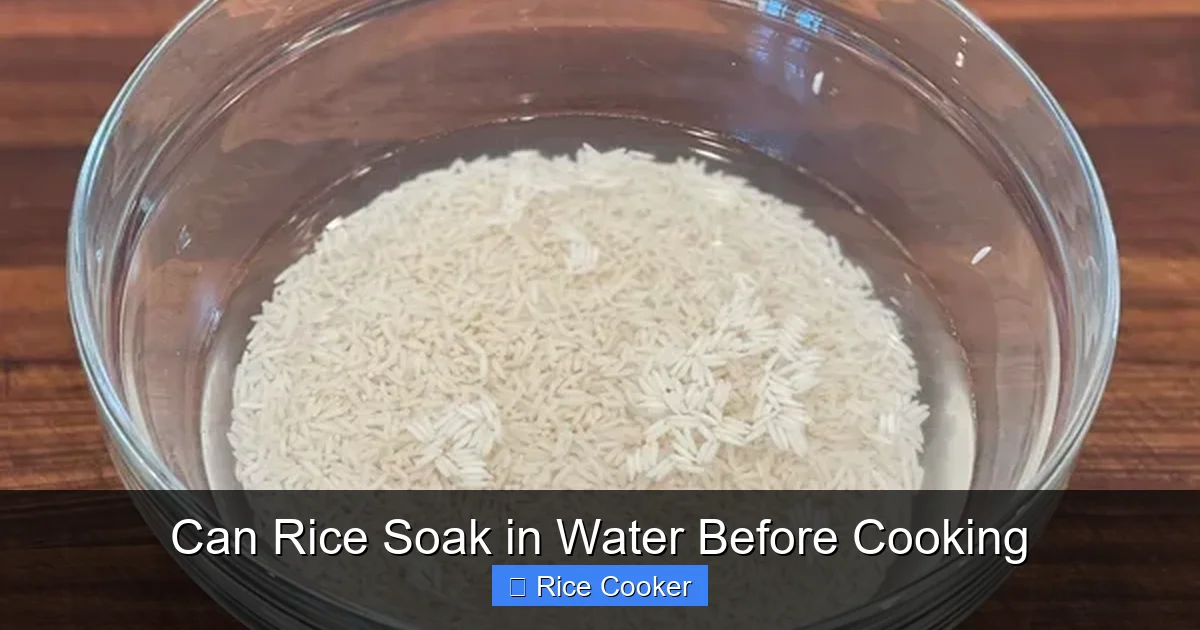
Yes, you can soak rice in water before cooking, and doing so offers several advantages like improved texture, reduced cook time, and better nutrient retention. Whether you’re using a rice cooker or stovetop method, soaking rice helps produce fluffier, more evenly cooked grains.
Key Takeaways
- Soaking rice softens the outer layer, allowing water to penetrate evenly and cook the grain faster and more uniformly.
- It reduces cooking time by up to 20%, making busy weeknight meals quicker and more efficient.
- Soaked rice has a lighter, fluffier texture compared to unsoaked rice, which tends to be denser and stickier.
- It helps remove excess starch, resulting in less gummy or clumpy rice—especially important for long-grain varieties like basmati or jasmine.
- Soaking preserves nutrients better than boiling or overcooking, as short hydration prevents leaching of vitamins and minerals.
- Not all rice needs soaking; short-grain rice (like sushi or sticky rice) usually doesn’t benefit as much from soaking.
- Use cold, clean water and avoid salt or oil during soaking unless specified for certain recipes (e.g., biryani).
[FEATURED_IMAGE_PLACEHOLDER]
Introduction: Why Soak Rice Before Cooking?
Have you ever wondered if there’s a secret to making perfect, fluffy rice every single time? Whether you’re preparing a simple side dish or cooking a fragrant biryani, the quality of your rice can make or break the meal. One often-overlooked technique that many home cooks swear by is soaking rice in water before cooking it.
But can rice soak in water before cooking? The short answer is yes—and it might just change the way you cook rice forever.
When rice sits in water for a period of time before being cooked, its outer layers begin to absorb moisture. This simple step does more than just hydrate the grain; it alters the starches inside, affects texture, speeds up cooking, and even enhances flavor absorption. From professional chefs to experienced home cooks, soaking rice has become a staple in kitchens around the world—especially when using a rice cooker.
In this comprehensive guide, we’ll explore everything you need to know about soaking rice before cooking. You’ll learn the science behind it, how long to soak different types of rice, the best methods, and tips to avoid common mistakes. Plus, we’ll cover whether soaking is necessary for every rice variety and how it impacts your overall cooking experience with a rice cooker.
By the end of this article, you’ll have all the knowledge to decide when—and how—to soak your rice for the best results possible.
The Science Behind Soaking Rice
Before diving into methods and tips, let’s talk about what actually happens when rice soaks in water.
Rice contains two main types of starch: amylose and amylopectin. These starches are responsible for the texture of cooked rice. Long-grain rice, such as basmati or jasmine, has more amylose, which makes it fluffy and separate when cooked. Short-grain rice, on the other hand, has more amylopectin, leading to stickier, chewier results.
When rice soaks in water, the grains swell slightly as they take in moisture. This process breaks down some of the surface starches, making them easier to gelatinize during cooking. Gelatinization is the process where starch absorbs heat and water, turning into a gel-like consistency. When this happens evenly across all grains, you get tender, well-cooked rice without mushiness.
Soaking also helps remove excess starch from the surface of each grain. Without this step, especially with long-grain rice, you may end up with clumpy, gummy rice because the starches re-bond during cooling.
Additionally, soaking allows the rice to reach a uniform temperature before cooking, which means even heat distribution in your rice cooker or pot leads to consistent results every time.
How Water Penetrates the Grain
The outer bran layer of rice acts like a protective shell. During soaking, water slowly diffuses through this layer, reaching the inner endosperm where most of the starch is stored. The longer the soak, the deeper the water penetration—but there’s a point of diminishing returns. Most rice only needs 15–30 minutes to fully hydrate without becoming overly soft.
Impact on Texture and Flavor
Because soaking softens the grain structure, the cooking liquid (whether water or broth) penetrates more efficiently during the actual cooking phase. This not only shortens cooking time but also allows flavors from herbs, spices, or seasonings to infuse more deeply into the rice. That’s why soaking is especially beneficial when making pilafs, risottos, or seasoned rice dishes.
Benefits of Soaking Rice Before Cooking
Soaking rice isn’t just a trend—it’s backed by both tradition and science. Here are the top reasons why you should consider soaking your rice next time:
1. Faster Cooking Time
One of the most practical benefits of soaking rice is reduced cooking time. When rice is pre-hydrated, it takes less time for the internal starch to gelatinize. For example, white long-grain rice typically takes 18–20 minutes to cook; soaking it for 30 minutes can reduce that to just 12–15 minutes. This is especially helpful if you’re using a rice cooker with preset timers or cooking multiple dishes at once.
2. Fluffier, Less Sticky Results
Ever had rice that turned out gluey or clumped together? That’s often due to excess surface starch. Soaking helps wash away some of this starch, resulting in individual grains that stay separate and light. This is particularly noticeable with aromatic long-grain rices like basmati or jasmine, which naturally tend to clump if not treated properly.
3. Better Nutrient Retention
Contrary to popular belief, soaking rice doesn’t destroy nutrients—it actually helps preserve them. When rice is rinsed or soaked briefly, it removes surface contaminants like dirt and pesticide residues without leaching out valuable B vitamins and minerals. In fact, studies show that soaking brown rice can increase the availability of certain nutrients like iron and zinc by reducing phytic acid, an anti-nutrient that inhibits absorption.
4. Improved Digestibility
For people with sensitive digestion, soaking rice can make it easier to digest. The process softens the grain and begins breaking down complex carbohydrates, making the rice gentler on the stomach. This is especially useful when feeding children, elderly family members, or anyone recovering from illness.
5. Enhanced Flavor Absorption
If you’re cooking rice in flavored liquids—such as vegetable broth, coconut milk, or spiced water—soaking helps the grains absorb those flavors more effectively. The softened exterior allows seasonings to penetrate deeper, giving your rice more depth and richness.
How Long Should You Soak Rice?
The ideal soaking time depends on the type of rice you’re using. While general guidelines exist, it’s always best to tailor your soaking duration to the specific variety.
Long-Grain Rices (Basmati, Jasmine, American)
For long-grain rices, soaking for 15 to 30 minutes is usually sufficient. These varieties contain enough surface starch to benefit significantly from soaking. After soaking, drain any excess water (if needed) and proceed with cooking.
Example: To cook basmati rice perfectly, rinse 1 cup of rice under cold water until the water runs clear. Place it in a bowl, cover with room-temperature water, and let it sit for 20 minutes. Then drain and cook using standard ratios.
Medium-Grain Rices (Calrose, Arborio)
Medium-grain rice can be soaked for 10 to 20 minutes. These grains have slightly more starch than long-grain but still benefit from brief soaking, especially if you prefer a fluffier texture.
Short-Grain Rices (Sushi Rice, Sticky Rice)
Short-grain rice generally does not require soaking. In fact, soaking can make it too sticky. Instead, rinse sushi rice quickly and cook immediately. If you do choose to soak it, limit the time to 5–10 minutes and use cold water only—never hot.
Brown Rice
Brown rice benefits from a longer soak—up to 60 minutes—because the bran layer is thicker and harder to penetrate. Soaking helps soften the hull and improves texture. However, don’t soak brown rice overnight unless you plan to refrigerate it, as prolonged soaking can lead to spoilage.
Instant or Quick-Cook Rice
These varieties are pre-processed and designed for minimal prep. They usually don’t need soaking—just follow package instructions.
Step-by-Step Guide: How to Soak Rice Properly
Ready to try soaking rice? Follow these simple steps for consistent, delicious results:
Step 1: Rinse the Rice
Start by placing your measured rice in a fine-mesh strainer or bowl and rinsing it under cold running water. Swirl the grains gently with your fingers to remove excess starch and any debris. Continue rinsing until the water runs clear.
Tip: Avoid over-rinsing, as this can wash away some natural oils and affect flavor.
Step 2: Transfer to a Bowl
Place the rinsed rice in a large mixing bowl or container. Make sure the bowl is wide enough to allow the rice to expand when soaked.
Step 3: Add Cold Water
Cover the rice completely with cold, filtered water. Room-temperature water works too, but cold water helps maintain freshness and prevents bacterial growth during soaking.
Step 4: Let It Soak
Set a timer based on the type of rice:
– Long-grain: 15–30 minutes
– Medium-grain: 10–20 minutes
– Brown rice: Up to 60 minutes
Do not add salt, oil, or seasonings during soaking unless your recipe specifically calls for them (e.g., adding saffron to basmati).
Step 5: Drain Excess Water (Optional)
After soaking, some cooks drain the rice briefly to prevent dilution of cooking liquid. Others skip this step, especially if using a rice cooker, since the machine measures water precisely. If draining, use a fine-mesh sieve and press gently with a spoon—do not rub, as this can damage the grains.
Step 6: Cook Immediately
Once soaked, cook the rice right away. Do not let it sit for hours after soaking, as this can cause uneven cooking or spoilage.
Soaking Rice in a Rice Cooker vs. Stovetop
You might be wondering: does soaking work differently depending on your cooking method?
The answer is no—soaking is effective whether you use a rice cooker or cook on the stove. However, there are subtle differences in execution.
Using a Rice Cooker
Most modern rice cookers have a “soak” or “pre-soak” function, though it’s not always labeled clearly. Even without a special setting, you can still soak rice before adding it to the cooker. Simply follow the soaking steps above, then transfer the rice to the inner pot along with the appropriate amount of water. Close the lid and select your desired setting (white rice, brown rice, etc.).
Advantages of using a rice cooker:
– Precise water measurement
– Automatic shut-off
– Consistent temperature control
– Hands-off cooking
Cooking on the Stovetop
On the stove, soaking works equally well. After soaking, drain if necessary, then bring water to a boil in a heavy-bottomed pot. Add the rice, stir once, cover tightly, and reduce heat to low. Simmer according to your recipe.
Tips for stovetop cooking:
– Use a tight-fitting lid to trap steam
– Avoid lifting the lid during cooking
– Let the rice rest off-heat for 5–10 minutes after cooking
Common Mistakes to Avoid When Soaking Rice
Even experienced cooks can make errors during the soaking process. Here are the most common pitfalls—and how to fix them:
Mistake 1: Using Hot Water
Hot water can partially cook the rice or alter its texture. Always use cold or room-temperature water for soaking.
Mistake 2: Over-Soaking Long-Grain Rice
More isn’t always better. Soaking long-grain rice for over 60 minutes can make it mushy. Stick to 15–30 minutes.
Mistake 3: Adding Salt or Oil During Soaking
Unless your recipe requires it, avoid adding salt or oil during soaking. They can interfere with starch breakdown and affect final texture.
Mistake 4: Not Draining After Soaking
While not always necessary, failing to drain excess water can dilute your cooking liquid. Especially if you’re using broth instead of plain water, draining ensures proper flavor concentration.
Mistake 5: Soaking Brown Rice Overnight Without Refrigeration
Leaving brown rice soaking at room temperature for more than 2 hours increases the risk of bacterial growth. If you must soak longer than 1 hour, refrigerate the rice.
Mistake 6: Skipping the Rinse Step
Rinsing removes surface starch and impurities. Never skip this step—even if you’re planning to soak, always rinse first.
Special Considerations: Different Types of Rice
Not all rice is created equal. Some varieties respond better to soaking than others. Here’s a breakdown:
Basmati Rice
Basmati is one of the best candidates for soaking. Its long, slender shape and high amylose content mean it benefits greatly from hydration. Soak for 20–30 minutes before cooking to achieve the signature fluffy, separated grains.
Jasmine Rice
Like basmati, jasmine rice is long-grain and slightly sticky. A 20-minute soak helps reduce gumminess and improves aroma release during cooking.
Arborio Rice
Used in risotto, Arborio has high starch content. Soaking for 15 minutes helps create a creamier texture without sacrificing bite.
Sushi Rice
Traditionally, sushi rice is rinsed and cooked immediately—no soaking. Over-soaking turns it into mush. Quick rinse + immediate cooking = best results.
Bomba or Calasparra Rice
These Spanish varieties are known for absorbing liquid slowly. They benefit from a 10–15 minute soak to enhance their unique ability to hold flavor.
Wild Rice
Wild rice is technically not true rice but a grass seed. It can be soaked for 30–60 minutes to reduce bitterness and improve texture.
Purple or Black Rice
These heirloom varieties often have higher antioxidant content. Soak for 15–20 minutes to improve digestibility and color vibrancy.
Frequently Asked Questions (FAQs)
Does soaking rice make it healthier?
Yes, soaking can improve digestibility and nutrient availability. It reduces phytic acid in brown rice and removes surface contaminants, making nutrients like iron and zinc easier to absorb.
Can I soak rice overnight?
It’s not recommended for most rice types, especially at room temperature, due to bacterial growth risks. If you must, refrigerate brown rice and use within 24 hours. White rice can be soaked overnight in the fridge safely.
Should I use warm or cold water to soak rice?
Always use cold or room-temperature water. Warm or hot water can begin cooking the rice or alter its texture.
Is it better to soak rice in salted water?
No, unless your recipe specifically calls for it. Salt during soaking can interfere with starch breakdown and affect final texture.
Can I reuse soaking water for cooking?
Generally not advised. The soaking water contains removed starch and impurities. Fresh water (or broth) gives cleaner flavor and better texture.
Does soaking reduce arsenic in rice?
Soaking alone doesn’t remove significant arsenic, but rinsing thoroughly after soaking can help reduce levels. Combining soaking and rinsing is more effective than either method alone.
Conclusion: Is Soaking Worth the Effort?
So, can rice soak in water before cooking? Absolutely—and now you know why it’s worth doing.
Whether you’re aiming for fluffier basmati, less sticky jasmine, or simply faster-cooked weeknight sides, soaking rice is a small step with big rewards. It’s a technique used by professionals and home cooks alike because it delivers consistent, restaurant-quality results without extra effort.
From improved texture and reduced cooking time to better nutrient retention and enhanced flavor, soaking rice checks all the boxes. Just remember to match the soaking time to your rice type, always rinse first, and avoid common mistakes like using hot water or over-soaking.
Next time you reach for a bag of rice, consider giving it a quick soak. Your taste buds—and your schedule—will thank you.
With a rice cooker, the process becomes even simpler: rinse, soak, add water, and let the machine do the rest. It’s one of those kitchen hacks that feels fancy but is incredibly easy to master.
Happy cooking!
This is a comprehensive guide about can rice soak in water before cooking.
Key Takeaways
- Understanding can rice soak in water before cooking: Provides essential knowledge
Frequently Asked Questions
What is can rice soak in water before cooking?
can rice soak in water before cooking is an important topic with many practical applications.