
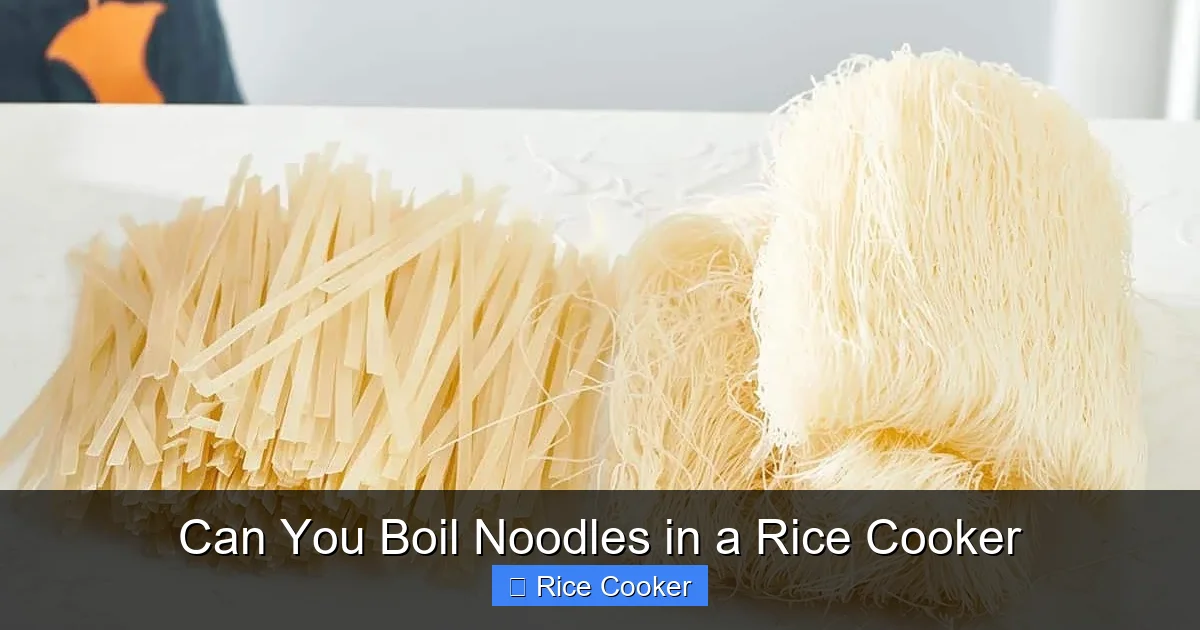
Can you boil noodles in a rice cooker? Absolutely! With just water and your favorite noodles, you can prepare a delicious meal in minutes. The rice cooker’s simple boil function makes it an unexpected but effective kitchen tool for more than just rice. Whether you’re making instant ramen or stir-fried noodles, this method is fast, foolproof, and saves on cleanup.
Have you ever found yourself staring into your pantry, wondering what to make for dinner—only to realize you have a bag of ramen noodles and a rice cooker sitting on the counter? If so, you’re not alone. That moment of culinary indecision is common, especially when you’re short on time but still want something satisfying. And guess what? You don’t need to break out the stove or boil a big pot of water. Your rice cooker might already be the perfect solution.
Yes, you read that right—your trusty rice cooker isn’t just for fluffy white rice anymore. In fact, many modern rice cookers come with multiple functions, including a dedicated “noodle” or “porridge” setting. But even if yours doesn’t, boiling noodles in a rice cooker is not only possible—it’s often easier, faster, and safer than traditional methods.
In this article, we’ll walk you through everything you need to know about cooking noodles in a rice cooker. From the science behind how it works to creative recipe ideas and safety tips, we’ve got you covered. So grab your chopsticks and let’s get cooking!
Key Takeaways
- Versatility of Rice Cookers: Beyond cooking rice, many rice cookers can boil water and cook noodles efficiently.
- Time-Saving Method: Boiling noodles in a rice cooker takes less time than using a stovetop pot.
- Energy Efficiency: Rice cookers use less electricity than stoves, making them eco-friendly and cost-effective.
- Easy Cleanup: Fewer pots and pans mean faster dishwashing after your meal.
- Customizable Recipes: Add sauces, vegetables, and proteins during the last few minutes for a complete meal.
- Safety Tips: Always monitor water levels and avoid overfilling to prevent spills.
- Best Noodle Types: Works well with instant noodles, dried pasta, and Asian-style noodles like ramen or soba.
📑 Table of Contents
- Why Use a Rice Cooker to Boil Noodles?
- Which Noodles Work Best?
- Step-by-Step Guide: How to Boil Noodles in a Rice Cooker
- Creative Noodle Recipes Using a Rice Cooker
- Common Mistakes and How to Avoid Them
- Maintenance Tips for Your Rice Cooker After Noodle Cooking
- Comparing Rice Cooker vs. Stovetop Noodle Cooking
- Final Thoughts: Is It Worth It?
Why Use a Rice Cooker to Boil Noodles?
You might be wondering: why bother with a rice cooker when you already have a stove? After all, boiling water on the stove is straightforward—just turn on the burner, wait for bubbles, and add the noodles. But here’s where the rice cooker shines:
First, it’s energy-efficient. Most rice cookers use less electricity than gas or electric stoves. They heat up quickly and automatically switch to “warm” mode once the water boils, meaning you don’t waste energy keeping it at a rolling boil.
Second, it’s hands-off. Unlike stovetop cooking, which requires constant attention (stirring, watching for overflow), a rice cooker does most of the work for you. Just add water and noodles, press a button, and relax.
Third, it’s space-saving. If you live in a small apartment or dorm room without a full kitchen setup, a rice cooker is a compact, multipurpose appliance. It’s ideal for students, solo diners, or anyone who wants simplicity.
And finally, it’s consistent results. Rice cookers maintain a steady temperature, preventing scorching or uneven cooking. This means your noodles come out perfectly al dente every time—no more mushy or undercooked disasters.
The Science Behind Rice Cooker Noodle Cooking
At its core, boiling noodles in a rice cooker is just like making pasta or instant noodles—except you’re using a different heating mechanism. Here’s how it works:
When you add cold water and noodles to the inner pot, the rice cooker heats the mixture until it reaches boiling point. Once the water starts bubbling, the thermostat detects the change and triggers the “keep warm” mode. This stops active boiling but keeps the noodles hot and ready.
Because the heating element is usually located at the bottom of the pot, the heat distributes evenly across the surface. This prevents hot spots that could cause noodles to stick or cook unevenly—something that often happens on a stovetop.
Additionally, some rice cookers come with specialized settings like “porridge,” “steam,” or even “noodle.” These modes adjust the timing and temperature to mimic traditional noodle-cooking techniques. For example, the porridge setting uses lower heat for longer, which is great for softer noodles like udon or pho.
Which Noodles Work Best?
Visual guide about Can You Boil Noodles in a Rice Cooker
Image source: missvickie.com
Not all noodles are created equal—and not all will perform well in a rice cooker. Here’s a breakdown of the best types to use:
Instant Noodles
These are the easiest and most common choice. Brands like Maruchan, Nissin, and Indomie work perfectly because they’re designed to cook quickly in hot water. Just follow the package instructions, but reduce the water slightly since rice cookers hold less volume than pots.
Dried Pasta (e.g., spaghetti, penne)
While not as common, dried pasta can be cooked in a rice cooker if you adjust the process. Use a 2:1 water-to-noodle ratio and cook for 8–10 minutes. Stir occasionally if possible, though most rice cookers don’t allow stirring during cooking.
Asian Noodles (ramen, soba, udon)
These shine in rice cookers due to their texture and cooking time. Ramen noodles, in particular, cook in just 3–4 minutes. Soba noodles benefit from the gentle, sustained heat, resulting in a better mouthfeel.
Fresh Egg Noodles
These cook quickly and absorb flavor well. Add them near the end of the cooking cycle for a chewy, fresh taste.
Avoid These Noodles
– Very long noodles (like fettuccine) may not fit well.
– Noodles with thick coatings or oils (some instant noodles) might not rehydrate properly.
– Noodle soups with delicate ingredients (like tofu or leafy greens) should be added at the very end.
Step-by-Step Guide: How to Boil Noodles in a Rice Cooker
Visual guide about Can You Boil Noodles in a Rice Cooker
Image source: ricearray.org
Ready to give it a try? Follow these simple steps for foolproof results:
Step 1: Choose Your Noodles and Measure Water
For every cup of noodles, use about 4 cups of water. Too little water risks sticking; too much makes the broth thin. If you’re making soup, add extra water—about 6 cups per cup of noodles.
Step 2: Add Ingredients to the Pot
Place your noodles and water into the inner pot. If you’re adding broth, salt, or seasonings, do so now. Note: Don’t add oil before cooking—it can interfere with the rice cooker’s sensor.
Step 3: Close the Lid and Select the Right Setting
Most rice cookers have a “Normal” or “White Rice” setting, which works best. Avoid “Quick Cook” or “High Heat” unless your model specifically supports noodles. Some models have a “Noodle” or “Porridge” button—use that for best results.
Step 4: Let It Cook
The timer varies by noodle type:
– Instant ramen: 3–4 minutes
– Dried pasta: 8–10 minutes
– Udon or soba: 5–7 minutes
Once the cooker switches to “warm,” your noodles are done.
Step 5: Fluff and Serve
Use a fork or chopsticks to gently separate any clumps. Add toppings like egg, green onions, or sesame oil. Serve immediately.
Pro Tip:
If your rice cooker has a “Keep Warm” function, avoid leaving noodles on it for too long—they can become mushy.
Creative Noodle Recipes Using a Rice Cooker
Boiling noodles in a rice cooker isn’t just about convenience—it opens up a world of flavorful, hands-off meals. Here are some fun ideas to inspire you:
1. Creamy Garlic Parmesan Pasta
After the pasta finishes cooking, open the lid and stir in 1/2 cup heavy cream, 1/4 cup grated Parmesan, and 2 minced garlic cloves. Let it sit for 2 minutes until creamy. Top with parsley.
2. Korean-Inspired Ramen Bowl
Cook ramen noodles as usual. Add a beaten egg in the last minute, then top with kimchi, bulgogi beef (pre-cooked), and a drizzle of gochujang.
3. Veggie-Packed Stir-Fry Noodles
Cook noodles first. While they’re finishing, add sliced bell peppers, broccoli, and carrots to the pot during the last 2 minutes. Stir in soy sauce, sesame oil, and chili flakes.
4. One-Pot Chicken Teriyaki Noodles
Add diced chicken breast to the pot with noodles. Once cooked, stir in teriyaki sauce and a splash of water. Garnish with sesame seeds.
5. Miso Soup with Soba Noodles
Cook soba noodles. Dissolve 1 tbsp miso paste in 1 cup hot water, then mix into the noodle pot. Add cubed tofu and wakame seaweed in the final minute.
These recipes show how versatile your rice cooker can be—turning a simple noodle bowl into a gourmet meal with minimal effort.
Common Mistakes and How to Avoid Them
Even with the best tools, mistakes happen. Here’s how to sidestep the most common pitfalls:
Mistake #1: Overfilling the Pot
Using too much water can lead to overflow or weak flavor. Stick to the recommended ratios. Also, never fill the pot beyond the “max line.”
Mistake #2: Adding Oil Before Cooking
Oil can coat the noodles and prevent proper absorption of water or flavor. Add oils or sauces after cooking.
Mistake #3: Not Stirring (When Possible)
Some rice cookers don’t allow stirring. If yours does, stir halfway through. Otherwise, shake the pot gently or use tongs to check for clumping.
Mistake #4: Ignoring the Keep-Warm Function
Leaving noodles on “warm” for more than 10–15 minutes can make them soggy. Serve promptly.
Mistake #5: Using the Wrong Noodles
As mentioned earlier, avoid long or oily noodles. Stick to those designed for quick, dry-heat cooking.
Mistake #6: Skipping Seasoning
Noodles can taste bland if undersalted. Add salt, soy sauce, or broth base early in the process.
Maintenance Tips for Your Rice Cooker After Noodle Cooking
Since you’re using your rice cooker for more than just rice, it’s important to keep it clean and functional:
– Clean the inner pot after each use with warm, soapy water. Avoid abrasive scrubbers.
– Wipe the exterior and sealing ring regularly to prevent odors.
– Check the vent to ensure it’s clear of food particles—this affects steam release.
– Store the lid upside down to prevent moisture buildup in the seal.
– Descale monthly if you notice mineral deposits or reduced performance.
A well-maintained rice cooker lasts years and performs reliably every time.
Comparing Rice Cooker vs. Stovetop Noodle Cooking
Let’s put both methods side by side:
| Feature | Rice Cooker | Stovetop |
|———————–|———————————-|———————————-|
| Time to Boil | 3–5 minutes | 5–8 minutes |
| Energy Use | Low | High |
| Hands-On Time | 2 minutes | 5+ minutes |
| Cleanup | Easier (one pot) | Harder (pot + lid + strainer) |
| Temperature Control | Automatic | Manual |
| Space Required | Compact | Needs burner space |
| Best For | Quick meals, dorm rooms, singles| Large batches, complex recipes |
For most people—especially those without full kitchens—the rice cooker wins on convenience and efficiency.
Final Thoughts: Is It Worth It?
So, can you boil noodles in a rice cooker? Without a doubt—yes. It’s not just possible; it’s practical, efficient, and surprisingly effective. Whether you’re whipping up instant ramen during a late-night study session or preparing a comforting bowl of udon on a rainy day, your rice cooker has your back.
This method proves that kitchen appliances aren’t limited to their original purpose. With a little creativity, a rice cooker becomes a gateway to fast, delicious, and stress-free meals. Plus, it reduces clutter, saves energy, and fits perfectly into tight spaces.
Next time you’re hungry and low on time, skip the stove and reach for your rice cooker. You might just discover your new favorite way to cook noodles.
Frequently Asked Questions
Can all rice cookers boil noodles?
Most standard rice cookers with a “boil” or “white rice” setting can cook noodles. Models with advanced functions like “noodle” or “porridge” are even better. Check your manual to confirm your model’s capabilities.
How much water do I need for noodles in a rice cooker?
Use about 4 cups of water for every cup of dry noodles. Adjust slightly based on desired soup thickness—more water for broth, less for dry noodles.
Do I need to pre-soak the noodles?
No. Most noodles, especially instant ones, cook directly in boiling water. Pre-soaking is unnecessary and can make them mushy.
Can I add vegetables or meat while cooking?
Yes, but add them during the last 2–3 minutes. Vegetables like spinach or broccoli cook quickly, while proteins like tofu or chicken need less time than noodles.
Will my rice cooker smell like noodles afterward?
Possibly. Strong flavors like curry or garlic can linger. To prevent this, wipe the lid and interior seal after use, and store the cooker with the lid off for a bit.
Is it safe to leave noodles in the rice cooker after cooking?
It’s not recommended. Leaving noodles on “keep warm” for more than 10–15 minutes can make them soggy or promote bacterial growth. Serve immediately.