
Yes, you can absolutely boil noodles in a rice cooker! It’s quick, easy, and uses less energy than the stove. With the right method, your noodles will come out tender and flavorful every time.
Key Takeaways
- Yes, it works: Rice cookers are versatile and can boil noodles just like a pot on the stove.
- Saves time and energy: Cooking noodles in a rice cooker uses less water and power than traditional boiling.
- Perfect texture: Follow timing tips to avoid mushy or undercooked noodles.
- No extra tools needed: Use only the rice cooker and a measuring cup—simple and clean.
- Great for busy meals: Ideal for quick ramen, instant noodles, or stir-fry bases.
- Easy cleanup: Minimal pots and pans mean less scrubbing after cooking.
- Safe and convenient: Automated settings reduce risk of overcooking or burning.
📑 Table of Contents
- Can You Boil Noodles in a Rice Cooker? The Ultimate Guide to Easy, Foolproof Cooking
- The Science Behind Rice Cookers and Noodle Cooking
- Step-by-Step: How to Boil Noodles in a Rice Cooker
- Types of Noodles You Can Cook in a Rice Cooker
- Common Mistakes and How to Avoid Them
- Creative Recipes Using Rice Cooker-Boiled Noodles
- Tips for Different Rice Cooker Models
- Energy Efficiency and Safety Tips
- Final Thoughts: Is Boiling Noodles in a Rice Cooker Worth It?
Can You Boil Noodles in a Rice Cooker? The Ultimate Guide to Easy, Foolproof Cooking
Imagine this: it’s 7 p.m., you’re starving, and the only thing you feel like making is a warm bowl of noodles. But your stove is dirty, your kitchen is messy, and you really don’t want to deal with boiling water on the burner. What do you do?
You reach for your rice cooker.
That’s right—your trusty rice cooker isn’t just for white rice anymore. With its ability to heat water, maintain temperature, and automate cooking cycles, it’s become a kitchen superhero. And yes, you can boil noodles in a rice cooker. In fact, it might just be one of the most underrated uses for this little machine.
In this complete guide, we’ll walk you through everything you need to know about boiling noodles in a rice cooker—from the science behind it to step-by-step instructions, recipe ideas, and expert tips. Whether you’re cooking ramen, spaghetti, or instant noodles, we’ve got you covered. Let’s get started!
The Science Behind Rice Cookers and Noodle Cooking
Before we dive into the “how-to,” let’s talk about the “why.” How does a rice cooker actually work when it comes to boiling noodles?
Visual guide about Can You Boil Noodles in Rice Cooker
Image source: cdn.thewirecutter.com
How Rice Cookers Heat Water
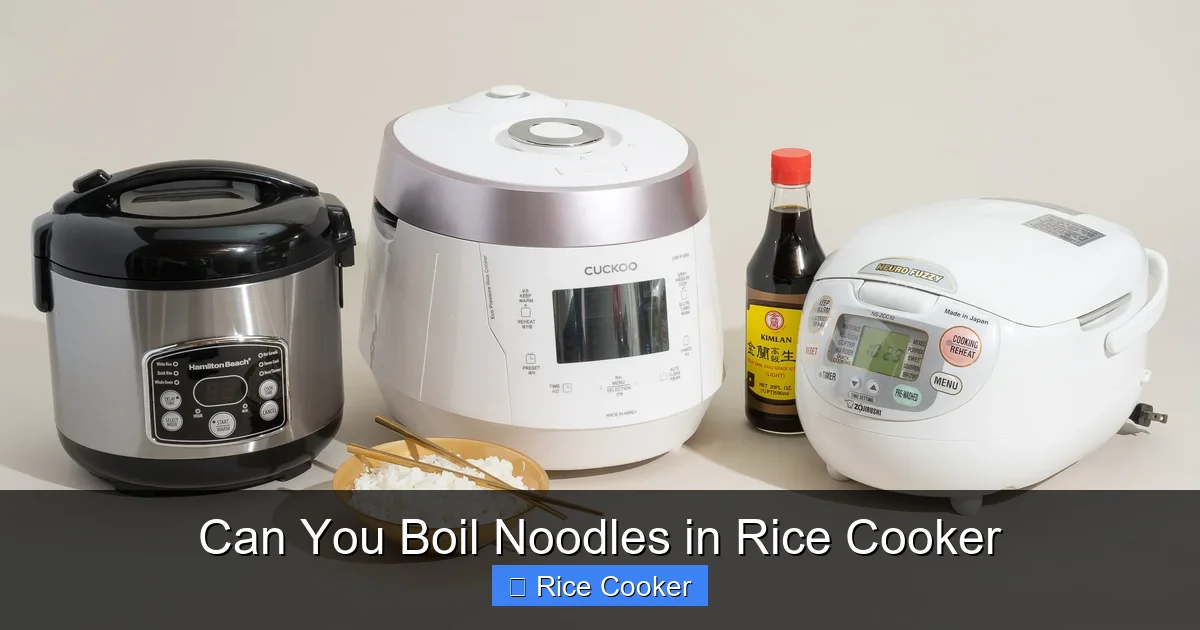
Rice cookers use a simple but effective heating element at the bottom of the inner pot. When you add water and press the “Cook” button, the element heats the water from below. Once the water reaches a rolling boil, the thermostat detects steam buildup and automatically switches the cooker to “Keep Warm” mode.
This cycle repeats throughout the cooking process, maintaining consistent heat. That means your water stays hot enough to boil noodles—even if it doesn’t look like it’s bubbling furiously.
Why It Works for Noodles
Noodles need hot water to cook. Most rice cookers can reach temperatures above 212°F (100°C), which is the boiling point of water at sea level. As long as your rice cooker has a “Boil” or “High Heat” setting—or simply runs continuously without switching to keep-warm too early—it can effectively boil noodles.
Many modern rice cookers also have a “Quick Cook” or “Manual” mode that lets you set a timer and temperature, giving you more control over the process.
Advantages Over Stovetop Boiling
- Energy efficiency: Rice cookers use less electricity than stovetops.
- Less supervision needed: Set it and forget it (mostly).
- Even heating: No hot spots like on a gas or electric burner.
- Fewer dishes: Just one pot instead of a large pot and colander.
Step-by-Step: How to Boil Noodles in a Rice Cooker
Ready to try it? Here’s a foolproof method for boiling noodles in your rice cooker—whether you’re using dried pasta, instant noodles, or ramen.
Visual guide about Can You Boil Noodles in Rice Cooker
Image source: i.ytimg.com
Gather Your Supplies
- Your rice cooker (any basic model works)
- Measuring cup or mug
- Timer (phone timer works great)
- Noodles (dried, fresh, or instant)
- Water
- Salt (optional, but recommended)
Step 1: Measure Water and Add Noodles
For every 1 cup of noodles, use about 3 cups of water. If you’re making a larger batch, double or triple the amounts accordingly.
Pour the water into the inner pot of your rice cooker. Then add the dry noodles. If you’re using dried pasta, break it into smaller pieces so it fits comfortably.
Step 2: Season the Water
Add a pinch of salt (about ½ teaspoon per liter of water) to enhance flavor. You can also add a splash of oil to prevent sticking—though this won’t affect taste much.
Step 3: Start Cooking
Close the lid and turn on your rice cooker. If your model has a “Boil” or “High Heat” setting, select it. Otherwise, just press “Cook”—most rice cookers will heat the water until it boils.
Step 4: Stir Occasionally
After 5 minutes, open the lid and give the noodles a gentle stir with chopsticks or a fork. This prevents them from clumping together. Continue stirring every few minutes to ensure even cooking.
Step 5: Check for Doneness
Cooking times vary depending on the type of noodle:
- Dried pasta: 6–10 minutes (check package instructions)
- Instant noodles: 3–4 minutes
- Ramen noodles: 2–3 minutes
- Fresh noodles: 1–2 minutes
Test a piece by tasting it. It should be al dente—firm but not crunchy.
Step 6: Drain and Serve
Once cooked, carefully pour the noodles and water through a fine-mesh strainer or colander. Rinse briefly with cold water if you prefer a firmer texture or want to stop the cooking process.
Serve immediately with your favorite sauce, broth, or stir-fry ingredients.
Types of Noodles You Can Cook in a Rice Cooker
Not all noodles are created equal—and some work better in a rice cooker than others. Here’s a breakdown of popular noodle types and how they perform.
Instant Noodles (Ramen, Cup Noodles, etc.)
These are the easiest to cook in a rice cooker. Simply add water and noodles, press cook, and wait. Since they’re pre-seasoned, you can skip adding salt or flavor packets until the end.
Pro tip: Add an egg to the pot during the last minute of cooking for a classic ramen experience.
Dried Pasta (Spaghetti, Linguine, Fettuccine)
Works well, but requires more attention. Break pasta into shorter lengths so it fits in the pot. Stir frequently to prevent tangling.
Note: Dried pasta takes longer to cook than instant noodles—usually 8–12 minutes depending on thickness.
Fresh Noodles (Chinese Wheat Noodles, Udon, Soba)
These cook quickly and are perfect for rice cooker use. Because they’re delicate, don’t overcook them—test after 1–2 minutes.
Ideal for quick stir-fries or hot soups.
Noodle Soups (Miso Ramen, Chicken Broth with Udon)
You can even make full noodle soups in your rice cooker! Just add broth instead of plain water, along with noodles and toppings like vegetables, tofu, or meat. Let it simmer until noodles are done.
Common Mistakes and How to Avoid Them
Like any new cooking technique, boiling noodles in a rice cooker has a few pitfalls. Let’s go over the most common mistakes and how to fix them.
Mistake 1: Not Enough Water
If you use too little water, the noodles may stick together or burn at the bottom of the pot.
Solution: Stick to the 3:1 ratio (3 parts water to 1 part noodles). Add a bit more if needed.
Mistake 2: Overcrowding the Pot
Packing too many noodles into the rice cooker limits water circulation and leads to uneven cooking.
Solution: Cook in batches if necessary. A standard 1.5-cup rice cooker pot can handle about 1 cup of dry pasta.
Mistake 3: Not Stirring
Stirring ensures all noodles are exposed to heat and don’t form clumps.
Tip: Set a timer for every 2–3 minutes and give the pot a quick stir.
Mistake 4: Relying on Auto Mode Only
Some rice cookers switch to “keep warm” before noodles are fully cooked.
Workaround: Use manual or high-heat mode, or monitor closely and manually override if needed.
Mistake 5: Forgetting to Drain
Leaving excess water on noodles makes them soggy, especially if you’re planning to add sauces later.
Best practice: Always drain thoroughly unless you’re making soup.
Creative Recipes Using Rice Cooker-Boiled Noodles
Now that you know the basics, let’s get creative! Here are three delicious recipes you can make using your rice cooker-boiled noodles.
Recipe 1: Creamy Garlic Parmesan Spaghetti
Ingredients:
- 1 cup dried spaghetti
- 3 cups water
- 1 tsp garlic powder
- 1 tbsp olive oil
- ½ cup heavy cream
- ½ cup grated Parmesan cheese
- Salt and pepper to taste
Instructions:
- Cook spaghetti in rice cooker with water, garlic powder, and oil for 9 minutes.
- Drain noodles and return to pot.
- Stir in cream and Parmesan until smooth. Season with salt and pepper.
- Serve hot with extra cheese on top.
Recipe 2: Instant Ramen Upgrade
Ingredients:
- 1 pack instant ramen
- 2 cups water
- 1 soft-boiled egg
- 2 slices green onions
- 1 tsp soy sauce
- Pinch of sesame seeds
Instructions:
- Break ramen block into pieces and add to rice cooker with water.
- Cook for 3 minutes.
- Add soy sauce and stir.
- Top with halved egg, green onions, and sesame seeds.
Recipe 3: Thai Coconut Noodle Soup
Ingredients:
- 1 cup rice noodles
- 3 cups coconut milk + 1 cup water
- 1 tbsp red curry paste
- 1 sliced shallot
- 1 cup shredded chicken (optional)
- Lime wedges and cilantro for garnish
Instructions:
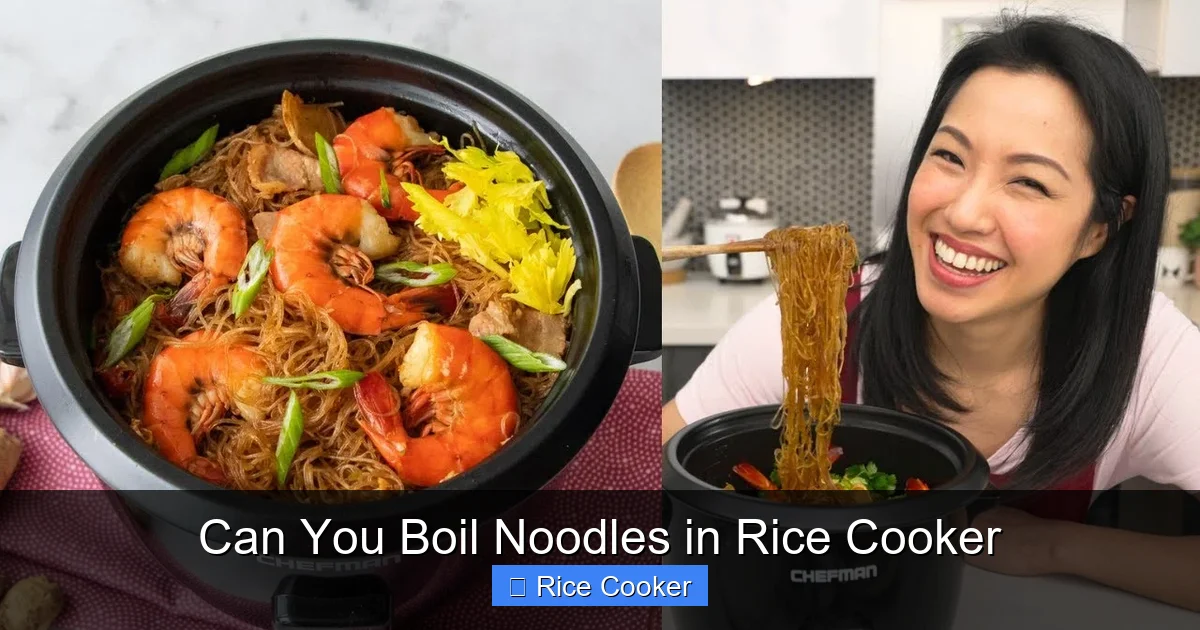
- Combine coconut milk, water, curry paste, and shallot in rice cooker.
- Add noodles and chicken (if using).
- Cook for 8 minutes or until noodles are soft.
- Garnish with cilantro and serve with lime wedges.
Tips for Different Rice Cooker Models
Not all rice cookers are the same. Here’s how to adapt your noodle-boiling method based on your model type.
Basic Rice Cookers (No Timer or Settings)
These simple models usually just have “Cook” and “Keep Warm” buttons. To boil noodles:
- Press “Cook” and wait until water boils (you’ll see steam).
- Let it cook for the required time, then manually override “Keep Warm” by pressing “Cook” again if needed.
- Monitor closely to avoid overcooking.
Digital Rice Cookers (With Timer and Presets)
These offer more control. Use the “Manual” or “High Heat” setting and set a timer. Many allow you to adjust temperature and duration—perfect for precise noodle cooking.
Pressure Cookers with Rice Cooker Function
If your pressure cooker also acts as a rice cooker, be cautious. Pressure cooking changes the texture of noodles. For best results, use regular rice cooker mode only—not pressure mode.
Non-Stick vs. Stainless Steel Pots
Most rice cooker pots are non-stick, which makes cleaning easier. If yours is stainless steel, consider using a silicone trivet or parchment paper to prevent sticking.
Energy Efficiency and Safety Tips
Using your rice cooker to boil noodles isn’t just convenient—it’s also eco-friendly and safe when done correctly.
Save Energy
- Rice cookers use about 200–300 watts, compared to 1,000+ watts for electric stoves.
- They heat up quickly and cool down fast, reducing total energy use.
- Use only the amount of water needed—no waste.
Safety First
- Never leave the rice cooker unattended while boiling noodles—especially with small children nearby.
- Be careful when opening the lid—hot steam can cause burns.
- Ensure the inner pot is properly seated before turning on.
- Don’t fill beyond the max line (usually marked inside the pot).
Cleaning Made Easy
Most rice cooker pots are dishwasher-safe. If not, wash with warm soapy water and a soft sponge. Avoid abrasive scrubbers that could damage non-stick coating.
Final Thoughts: Is Boiling Noodles in a Rice Cooker Worth It?
Absolutely. Whether you’re in a rush, trying to save energy, or just looking for a new way to use your kitchen gadgets, boiling noodles in a rice cooker is a game-changer. It’s simple, effective, and surprisingly versatile.
From quick ramen to gourmet pasta dishes, your rice cooker can do it all. Plus, it frees up your stovetop for other tasks—like frying eggs or sautéing veggies.
So next time you’re craving noodles, don’t reach for the kettle. Grab your rice cooker instead. You might just discover your new favorite kitchen hack.
Frequently Asked Questions
Can I cook different types of noodles in a rice cooker?
Yes! Instant noodles, dried pasta, fresh noodles, and even ramen all work well in a rice cooker. Just adjust cooking time based on the type and follow proper water ratios.
Do I need to add oil to prevent noodles from sticking?
A light splash of oil can help prevent clumping, especially with dried pasta. However, it’s not essential—just stir occasionally and use enough water.
How long does it take to boil noodles in a rice cooker?
It depends on the noodle type. Instant noodles take 3–4 minutes, dried pasta 8–12 minutes, and fresh noodles just 1–2 minutes. Always check for doneness before draining.
Can I make soup with noodles in my rice cooker?
Absolutely! Replace water with broth, add noodles and toppings, and cook until done. It’s perfect for quick soups like miso ramen or chicken udon.
Will my rice cooker switch to “Keep Warm” before noodles are ready?
Sometimes, yes. If this happens, manually press “Cook” again to resume boiling. Or use a timer and monitor the process closely.
Is it safe to leave the rice cooker unattended while boiling noodles?
For short periods, yes—but never leave it running overnight or for extended times without checking. Especially important if you’re using dried pasta, which needs closer monitoring.