
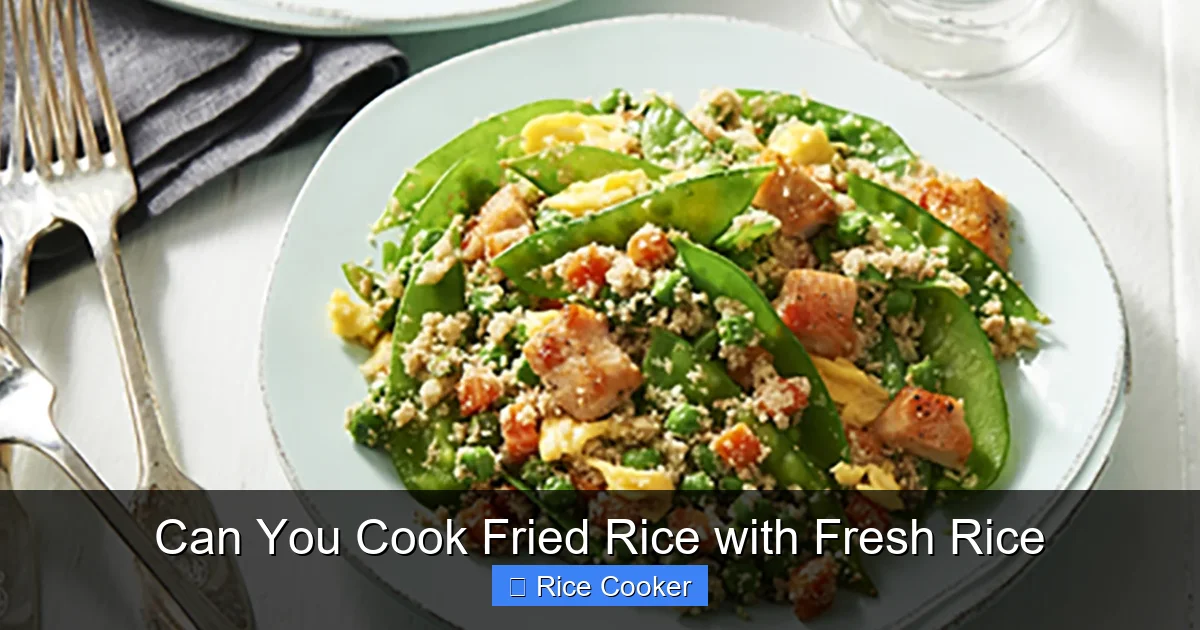
Fresh rice is not ideal for traditional fried rice, but with the right techniques, you can achieve delicious results. Properly cooled, seasoned rice makes all the difference in creating fluffy, flavorful fried rice that rivals takeout.
Key Takeaways
- Fresh rice needs cooling time: Rice cooked within 30 minutes has too much moisture, leading to soggy fried rice
- Proper seasoning timing matters: Add salt and sauces after heating to prevent over-seasoning and texture issues
- Stir-frying technique is crucial: Use high heat and quick movements to achieve that signature wok hei flavor
- Rice cooker advantages: Modern rice cookers offer better control for both cooking rice and making fried rice
- Ingredient prep is key: Cut vegetables uniformly and have all ingredients ready before starting
- Oil temperature control: Too little oil causes sticking; too much creates greasy rice
- Resting period helps: Let rice cool naturally to achieve optimal texture for frying
📑 Table of Contents
- The Fried Rice Dilemma: Fresh vs. Day-Old Rice
- Understanding Rice Texture and Moisture Content
- Preparing Fresh Rice for Optimal Fried Results
- Essential Equipment for Fresh Rice Fried Rice
- Step-by-Step Guide to Fresh Rice Fried Rice
- Troubleshooting Common Fresh Rice Fried Rice Problems
- Advanced Techniques for Restaurant-Quality Results
- Storage and Future Meal Planning
The Fried Rice Dilemma: Fresh vs. Day-Old Rice
We’ve all been there – standing in the kitchen with perfectly cooked fresh rice from the rice cooker, wondering if it’s ready to transform into that golden, aromatic fried rice you saw on TV. The internet is divided on this topic, with some chefs insisting only day-old rice works while others swear by fresh rice. But here’s the truth: you absolutely can cook fried rice with fresh rice, though it requires a bit more finesse than working with leftover rice.
The key isn’t whether your rice is “fresh” or “stale” – it’s about understanding the science behind rice texture and moisture content. When rice comes straight from the rice cooker, it’s still steaming hot and saturated with moisture. This creates a fried rice disaster waiting to happen: soggy, gluey clumps instead of those beautiful individual grains you’re looking for. But don’t put your rice away just yet – with the right techniques and timing, you can turn that fresh batch into something spectacular.
Understanding Rice Texture and Moisture Content
To master fried rice with fresh rice, you first need to understand why rice behaves differently at various stages of cooling. Freshly cooked rice contains approximately 60-65% moisture content, which is ideal for eating but terrible for stir-frying. As rice cools naturally (without refrigeration), the moisture redistributes and evaporates slightly, creating the perfect texture for fried rice.
Visual guide about Can You Cook Fried Rice with Fresh Rice
Image source: friedrice.info
The Science Behind Perfect Fried Rice Texture
When rice grains are heated during cooking, their starches gelatinize and absorb water. In fresh rice, this process is still ongoing when rice comes out of the cooker. The starch continues to release moisture, making the rice sticky and prone to clumping during frying. However, as rice cools, the excess moisture evaporates and the starch molecules recrystallize, creating a more stable structure that fries beautifully.
This transformation typically takes 2-4 hours at room temperature, depending on humidity and rice quantity. The ideal fried rice texture has individual grains with minimal sticking, slight crisp edges, and a dry surface that readily absorbs flavors without becoming mushy.
Why Traditional Recipes Recommend Day-Old Rice
Traditional Chinese restaurants have long used day-old rice for several practical reasons. First, it’s cost-effective – using leftover lunch rice for dinner eliminates food waste. Second, properly stored day-old rice develops a slightly dehydrated texture that fries exceptionally well. Third, it allows for better planning in commercial kitchens where rice is often made in large batches.
However, modern home cooks have an advantage that restaurant chefs don’t: precise temperature control through electric rice cookers. This means we can actually use fresh rice with much better results than traditional methods allow.
Preparing Fresh Rice for Optimal Fried Results
If you’re determined to use fresh rice for your fried rice, preparation is everything. The goal is to remove excess moisture while maintaining the rice’s structural integrity. Here’s how to prepare your rice properly:
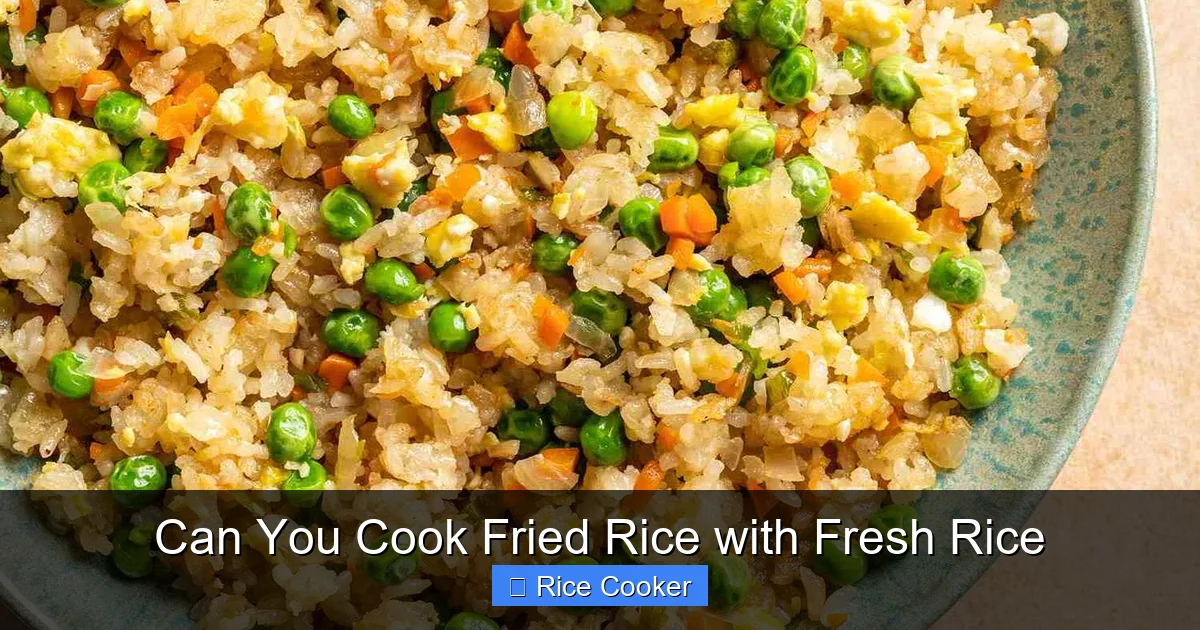
Visual guide about Can You Cook Fried Rice with Fresh Rice
Image source: purelyfresh.com.sg
Immediate Post-Cooking Care
As soon as your rice cooker switches to warm mode, avoid the temptation to scoop it out immediately. Instead, let it sit for 10-15 minutes with the lid slightly ajar. This allows steam to escape gradually while the rice continues to cook gently, helping redistribute moisture evenly throughout the grains.
After the initial resting period, fluff the rice gently with a fork. Don’t over-fluff – just enough to separate any obvious clumps while preserving the rice’s structure. If your rice is extremely wet or sticky, spread it out on a baking sheet lined with parchment paper and let it cool uncovered for 15-20 minutes. This rapid evaporation method works best for small batches.
Room Temperature Cooling Method
The most reliable approach for fresh rice is natural cooling at room temperature. Spread your rice in a thin layer (about 2-3 inches deep) on a clean tray or large plate. Keep it uncovered in a cool, well-ventilated area away from direct sunlight. Stir occasionally after 30 minutes to promote even drying.
For optimal results, let the rice cool for at least 2 hours before frying. During this time, the moisture content drops significantly, creating that ideal dry surface needed for proper frying. Test your rice by picking up a few grains – they should feel dry to the touch but still hold together slightly when pinched between fingers.
Humidity Considerations
Environmental factors play a crucial role in rice preparation. In humid climates, you may need to extend the cooling time or use a fan to circulate air around the rice. Conversely, in very dry conditions, 90 minutes might be sufficient. The key indicator is texture, not time alone.
If you’re in a hurry, you can accelerate the process slightly by refrigerating the rice for 30-45 minutes after the initial room temperature cooling. However, refrigerated rice tends to become slightly firmer, so you’ll need to adjust cooking times accordingly.
Essential Equipment for Fresh Rice Fried Rice
While you can make fried rice with basic equipment, having the right tools will significantly improve your results, especially when working with fresh rice. Your rice cooker plays a dual role here – first as your rice maker, then as part of your cooking setup.
Choosing the Right Rice Cooker
Modern rice cookers offer features that make fresh rice fried rice possible. Look for models with:
- Keep-warm function: Allows you to maintain rice at ideal serving temperature without overcooking
- Steam venting: Some models have adjustable vents for better moisture control during the cooling phase
- <Large capacity: Easier to spread rice thinly for even cooling
- Non-stick inner pot:: Prevents rice from sticking during both cooking phases
Electric rice cookers are superior to stovetop methods for fresh rice because they provide consistent, controlled heating. This consistency helps ensure your rice reaches the perfect moisture level before you start frying.
Additional Essential Tools
Beyond your rice cooker, these tools will elevate your fried rice game:
- Large, flat frying pan or wok: Provides maximum surface area for even cooking
- Sharp spatula or wooden spoon: For gentle but effective stirring
- Measuring cups and spoons:: Precise measurements matter more with fresh rice
- Cooling trays or sheets:: For proper rice spreading and drying
- Timer:: To track your cooling and cooking times accurately
Alternative Cooking Methods
If you don’t have a rice cooker, you can adapt other methods:
- Stovetop rice cooking: Use a heavy-bottomed pot with tight-fitting lid, following standard rice-to-water ratios
- Pressure cooker:: Excellent for consistent results, but requires careful moisture management
- Average rice cooker users:: Many home rice cookers work perfectly fine for both cooking rice and making fried rice
Step-by-Step Guide to Fresh Rice Fried Rice
Now that your rice is properly prepared, it’s time to transform it into delicious fried rice. Follow these steps carefully for the best results with fresh rice:
Ingredient Preparation and Timing
Mise en place is absolutely critical when working with fresh rice. Have all your ingredients prepped before you begin cooking. For basic fried rice, you’ll need:
- Prepared rice (2 cups cooled fresh rice)
- 2 tablespoons vegetable oil or peanut oil
- 2 eggs, beaten
- 2 green onions, chopped
- Optional additions: carrots, peas, soy sauce, garlic, ginger
Timing is everything – add salt and other seasonings only after your rice is heated through. Fresh rice has already absorbed flavor during cooking, so adding too much salt early can result in over-seasoned rice.
Heating and Oil Management
Heat your wok or large skillet over medium-high heat until smoking slightly. Add oil and swirl to coat the entire surface. The oil should shimmer but not smoke excessively. Too little oil causes sticking; too much creates greasy rice that won’t develop proper color.
Pour in your rice immediately after oil is heated. Don’t let the rice sit in the hot pan – this gives it time to absorb moisture from the oil instead of drying out. Break up any clumps gently with your spatula as you add the rice.
Stir-Frying Techniques for Fresh Rice
This is where the magic happens. Use a combination of tossing and stirring motions to achieve even heating and browning. Aim for 3-4 minutes of continuous stirring, shaking the pan occasionally to prevent sticking. The goal is to develop slight crispness on the outside of each grain while keeping the inside tender.
Add beaten eggs toward the end of cooking time. Pour them around the edge of the pan and let them set slightly before mixing into the rice. Eggs add protein and richness but cook quickly, so don’t overdo it.
Seasoning and Final Touches
Once rice is heated through and developing nice color, add your seasonings. Start with soy sauce – about 1 tablespoon per cup of rice. Taste and adjust as needed. Fresh rice can handle more salt than day-old rice because it hasn’t had time to fully absorb flavors yet.
Add remaining ingredients and continue stirring for another minute or two until everything is heated through. Finish with chopped green onions and any additional seasonings. Serve immediately while hot and crispy.
Troubleshooting Common Fresh Rice Fried Rice Problems
Even with the best preparation, you might encounter some common issues when making fried rice with fresh rice. Here’s how to identify and fix them:
Soggy or Sticky Rice
Problem: Rice remains moist and clumps together despite thorough cooking
Solution: This usually indicates insufficient cooling time or excessive moisture content. Try spreading rice thinner next time, or add rice flour to absorb excess moisture before frying. Alternatively, return rice to heat briefly to evaporate remaining moisture.
Burnt Edges
Problem: Rice burns on the bottom or edges while interior remains undercooked
Solution: Reduce heat slightly and stir more frequently. Fresh rice tends to cook faster than day-old rice, so monitor closely. Consider adding a splash of water or broth if rice becomes too dry during cooking.
Weak Flavor Development
Problem: Fried rice tastes bland despite proper seasoning
Solution: Fresh rice hasn’t developed the complex flavors that come with aging. Boost umami by adding a teaspoon of oyster sauce or a dash of MSG. Toast your seasonings briefly before adding rice for deeper flavor development.
Uneven Browning
Problem: Some rice grains brown while others remain pale
Solution: Ensure even distribution of rice in the pan and maintain consistent heat. Stir more frequently to prevent hot spots. Fresh rice can be tricky because moisture content varies slightly between batches.
Excessive Oil Absorption
Problem: Rice soaks up too much oil, becoming greasy
Solution: Use the minimum amount of oil necessary for non-stick cooking. Fresh rice has higher moisture content initially, so it needs less oil than expected. Consider using a non-stick pan for better oil control.
Advanced Techniques for Restaurant-Quality Results
Ready to take your fresh rice fried rice to the next level? These advanced techniques will help you achieve that professional restaurant-quality result:
Wok Hei Development
That distinctive smoky flavor known as “wok hei” is achievable with fresh rice with proper technique. Heat your wok extremely hot (almost smoking), add oil, then immediately add rice. The intense heat creates that characteristic charred aroma while the rice’s residual moisture helps distribute the smoke flavor evenly.
Multi-Stage Seasoning
Instead of adding all seasonings at once, build layers of flavor:
- First pass: Basic salt and pepper
- Second pass: Soy sauce and oyster sauce
- Final pass: Sesame oil and additional aromatics
This approach prevents over-seasoning and allows each component to shine individually.
Rice Selection Matters
Not all rice varieties work equally well with fresh rice. Jasmine rice tends to be stickier and may require more drying time. Basmati rice works excellently because its grains are longer and drier to begin with. Short-grain rice offers the best balance for most fried rice applications.
Temperature Control Strategies
Fresh rice responds differently to heat than day-old rice. Start with slightly lower heat than you would for day-old rice, then increase as needed. Fresh rice cooks faster due to higher initial moisture content, so constant monitoring is essential.
Storage and Future Meal Planning
Making fried rice with fresh rice opens up new possibilities for meal planning and storage. Here’s how to maximize efficiency:
Batch Cooking Benefits
Cook rice in larger quantities and use portions for both fresh consumption and future fried rice. This approach saves time and ensures you always have properly prepared rice available. Store cooled rice in airtight containers for up to 3 days.
Freezing for Future Use
Properly frozen rice can last indefinitely for fried rice applications. Spread rice in single layers on baking sheets, freeze until solid, then transfer to freezer bags. Thaw overnight in refrigerator before frying. Frozen rice tends to be drier than refrigerated rice, so reduce oil slightly when cooking.
Weekly Meal Prep Integration
Incorporate rice preparation into your weekly meal prep routine. Cook rice on Sunday, use portions throughout the week, and save the remainder for fried rice. This approach provides flexibility while maintaining quality.
Inventory Management
Keep track of how much rice you have available for different uses. Label containers clearly with dates and intended use. This prevents confusion and ensures optimal usage of your rice inventory.
By mastering the art of fresh rice fried rice, you gain complete control over your rice preparation process. No longer limited by what’s left over in the refrigerator, you can create perfectly textured, flavorful fried rice whenever inspiration strikes. The key lies in understanding the science behind rice texture and applying proper preparation techniques.
Remember that practice makes perfect. Each batch of rice will teach you something new about its characteristics and your preferences. Start with small batches, experiment with different rice varieties, and don’t be afraid to adjust techniques based on results. Before long, you’ll be creating restaurant-quality fried rice with fresh rice that outperforms many takeout options.
Frequently Asked Questions
Can I use rice that’s been refrigerated overnight for fried rice?
Yes, refrigerated rice works excellently for fried rice. The cold temperature further reduces moisture content, creating ideal frying conditions. Just bring it to room temperature before cooking for even heating.
How long should fresh rice cool before frying?
Allow 2-4 hours for natural cooling at room temperature. The rice should feel dry to the touch but still hold together slightly when pinched between fingers. This drying period is crucial for preventing soggy results.
Do I need special oil for frying rice with fresh rice?
No special oil required. Neutral oils like vegetable, peanut, or canola work perfectly. Avoid olive oil for high-heat frying as it has a lower smoke point. The key is using just enough oil to prevent sticking without making the rice greasy.
Can I add vegetables to fresh rice fried rice?
Absolutely! Vegetables should be pre-cooked or added at specific times. Hard vegetables like carrots go in first, softer ones like peas go in later. Fresh rice handles vegetables well as long as they’re properly prepped and timed.
Why does my fresh rice fried rice taste different from restaurant versions?
Fresh rice lacks the complex flavors developed through aging. Boost umami with oyster sauce, fish sauce, or mushroom dashi. Also, restaurant versions often use higher heat and specialized woks for that distinctive wok hei flavor.
Can I make fried rice with rice cooker leftovers the same day?
Not recommended. Rice cooker leftovers still retain too much moisture for proper frying. Wait at least 2 hours for proper cooling and moisture evaporation. If you’re short on time, spread rice thinly on a tray and let it cool uncovered for 15-20 minutes.