
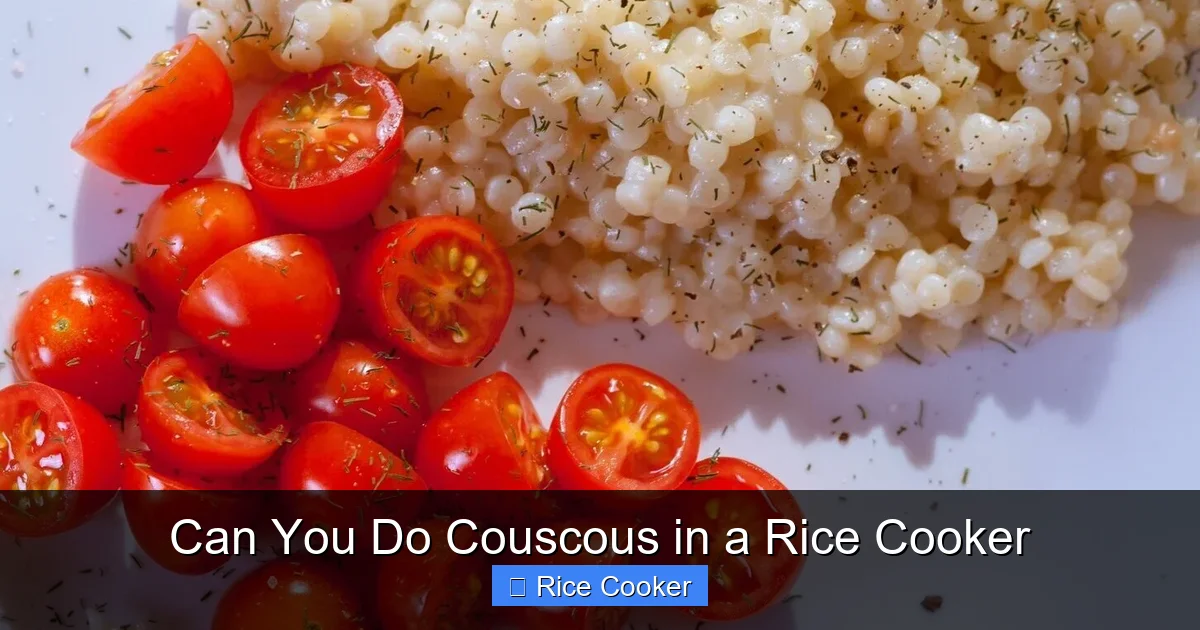
Can you do couscous in a rice cooker? Absolutely! This quick and easy method yields light, fluffy couscous without the need for constant stirring. With the right ratio of water to couscous and a few simple steps, your rice cooker becomes a versatile tool for preparing this North African staple.
Making couscous in a rice cooker might sound unconventional at first, but it’s actually one of the easiest and most foolproof ways to prepare this beloved North African dish. Unlike traditional methods that require steaming over boiling water, a rice cooker uses precise temperature control and automated timing to deliver perfectly cooked, fluffy couscous every time. Whether you’re meal-prepping for busy weekdays or craving something warm and comforting, using your rice cooker opens up a world of possibilities—and couscous is just the beginning.
In this article, we’ll walk you through everything you need to know about making couscous in a rice cooker. From choosing the right type of couscous to mastering the perfect water ratio and adding flavor boosters, we’ve got you covered. You’ll also discover helpful tips to avoid common mistakes and learn how this method stacks up against stove-top cooking. By the end, you’ll be confident enough to whip up a batch of restaurant-quality couscous with zero stress.
Key Takeaways
- Couscous can be made in a rice cooker with minimal effort, using a 1:1 water-to-couscous ratio and a quick rinse before cooking.
- The rice cooker handles the timing and heat distribution, ensuring even cooking and preventing clumping.
- No pre-steaming is required—just add ingredients, press start, and let the appliance do the work.
- Fluffing after cooking helps separate grains and improves texture, just like with rice.
- Customize your couscous easily by adding broth, herbs, or spices during cooking for extra flavor.
- Clean-up is simple since most rice cookers have non-stick inner pots and removable parts.
- This method saves time and energy compared to traditional stove-top couscous preparation.
📑 Table of Contents
- What Is Couscous and Why Cook It in a Rice Cooker?
- Step-by-Step Guide: Making Couscous in a Rice Cooker
- Tips for Perfect Couscous Every Time
- How Does Rice Cooker Couscous Compare to Stove-Top?
- Creative Ways to Serve Your Rice Cooker Couscous
- Troubleshooting Common Issues
- Beyond Couscous: Other Grains You Can Make in a Rice Cooker
- Final Thoughts: Why This Method Works
What Is Couscous and Why Cook It in a Rice Cooker?
Couscous is a staple in many Mediterranean and North African cuisines, traditionally made from semolina wheat and shaped into tiny granules. It’s often served alongside rich stews like tagine or harira soup, soaking up flavorful sauces as it cooks. While the traditional preparation involves steaming over boiling water for several minutes—a process that requires attention and timing—using a rice cooker simplifies things significantly.
The magic lies in the rice cooker’s ability to maintain consistent heat and monitor moisture levels automatically. Instead of babysitting a pot on the stove, you simply measure ingredients, press a button, and let science (and technology) handle the rest. Plus, modern rice cookers come with settings for different grains, including those labeled “pilaf” or “quick-cook,” which work wonders for couscous.
The Science Behind Perfect Couscous
To understand why the rice cooker works so well, it helps to know how couscous absorbs liquid. When dry couscous granules meet hot water, they absorb moisture and swell, transforming from hard pellets into soft, tender balls. Too much water leads to mushiness; too little leaves them undercooked. The ideal balance creates light, separate grains that fluff up beautifully when gently stirred.
A standard rule of thumb is a 1:1 ratio by weight: one part couscous to one part water. For example, if you use 1 cup (about 150 grams) of couscous, measure out 1 cup of water. Some recipes suggest using broth instead of water for added flavor, especially if you’re pairing it with a meat or vegetable stew later.
Types of Couscous: Which One Should You Use?
Not all couscous is created equal. Here’s a quick guide:
– Traditional Couscous: Larger granules, typically used for main dishes. Best for absorbing flavors.
– Instant Couscous: Pre-steamed and dehydrated, ready to eat after adding hot water. Takes 3–5 minutes but lacks depth.
– Israeli Couscous: Larger, pearl-like grains, often used in salads or as a side. Can be made in a rice cooker but may require slightly more water.
For best results in a rice cooker, choose traditional or whole-wheat couscous. These varieties absorb liquid evenly and hold their shape better than instant versions.
Step-by-Step Guide: Making Couscous in a Rice Cooker
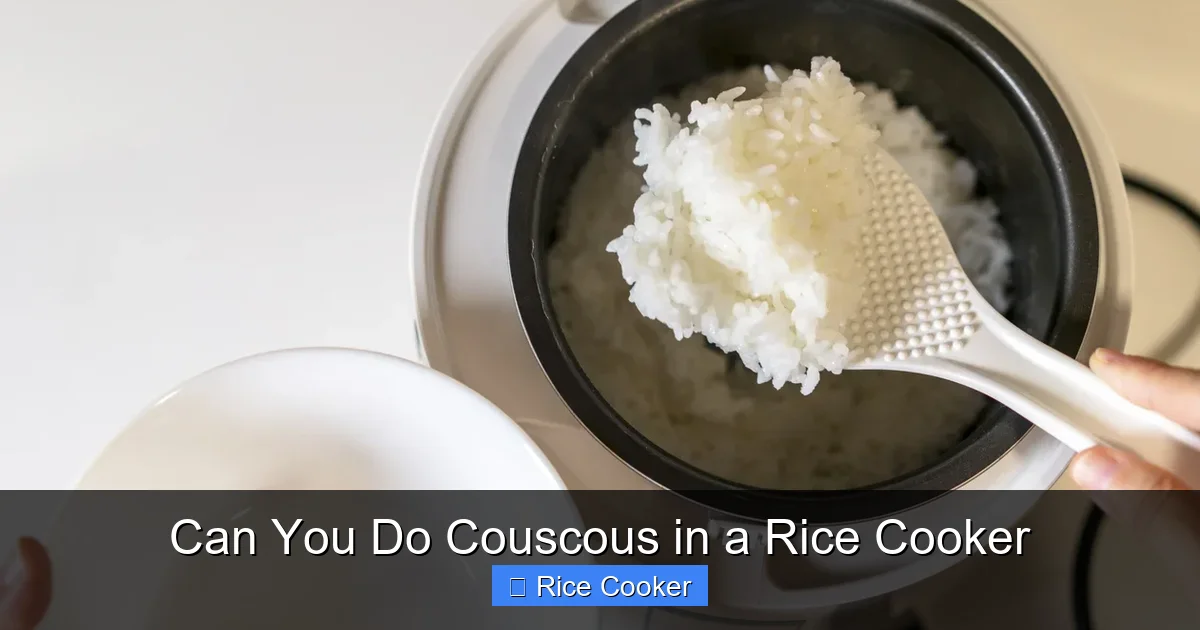
Visual guide about Can You Do Couscous in a Rice Cooker
Image source: images.squarespace-cdn.com
Ready to try it? Follow these simple steps for foolproof results every time.
What You’ll Need
- 1 cup (150g) couscous (traditionally sized)
- 1 cup (240ml) water or broth
- Pinch of salt (optional)
- Olive oil or butter (optional, for richness)
- Rice cooker with standard cooking function
- Fine-mesh strainer or colander
Step 1: Rinse the Couscous
Start by placing your couscous in a fine-mesh strainer and running it under cool water for 30 seconds. This removes excess starch and prevents clumping. Gently shake off excess water—don’t squeeze!
Step 2: Add Ingredients to the Rice Cooker Pot
Pour the rinsed couscous into the inner pot of your rice cooker. Add water (or broth), a pinch of salt, and optionally ½ teaspoon of olive oil or butter for extra flavor and shine.
Step 3: Close and Start Cooking
Secure the lid and select the “White Rice” or “Pilaf” setting if available. If not, use the default “Cook” mode. Most rice cookers will take about 10–12 minutes to complete the cycle.
Step 4: Let It Rest
Once the cooker switches to “Keep Warm,” do NOT open the lid yet. Let it sit for 5 minutes undisturbed. This allows residual steam to finish cooking any stubborn grains.
Step 5: Fluff and Serve
Carefully remove the lid, fluff the couscous with a fork or spoon, and transfer to a serving bowl. Drizzle with a bit more oil if desired.
Tips for Perfect Couscous Every Time
Visual guide about Can You Do Couscous in a Rice Cooker
Image source: images.squarespace-cdn.com
Even with a reliable rice cooker, small tweaks can make a big difference in texture and taste.
Use Room-Temperature Water
Cold water can slow down absorption slightly, leading to uneven cooking. Warm or room-temperature water helps couscous hydrate faster and more uniformly.
Avoid Overfilling the Pot
Most rice cookers have a maximum capacity marked inside the pot. Never exceed ¾ full when cooking couscous, as expansion during cooking can cause overflow.
Don’t Stir During Cooking
Resist the urge to peek or stir while the machine is running. Opening the lid releases steam, which disrupts the cooking process and can lead to soggy couscous.
Experiment with Flavors
Add garlic powder, smoked paprika, or dried herbs to the water for a savory twist. For a sweet version, try cinnamon and orange zest with dates.
Store Leftovers Properly
Cool couscous completely before refrigerating. Reheat gently in the microwave with a splash of water to restore moisture.
How Does Rice Cooker Couscous Compare to Stove-Top?
Both methods yield delicious results, but each has its pros and cons.
| Method | Pros | Cons |
|—————-|——————————————-|——————————————|
| Rice Cooker | Hands-off, consistent results, less cleanup | Limited customization during cooking |
| Stove-Top | More control over texture, traditional feel | Requires attention, risk of burning |
If you value convenience and consistency, the rice cooker wins hands down. But if you enjoy the ritual of cooking and want full control—like adjusting heat mid-cycle—the stove remains a classic choice.
That said, many home cooks now prefer the rice cooker for daily meals due to its speed and reliability. Plus, once you master the basics, you can adapt the technique for other grains like quinoa, bulgur, or even polenta.
Creative Ways to Serve Your Rice Cooker Couscous
Plain couscous is tasty, but it’s even better when paired with bold flavors and textures.
Vegetable Medley Couscous
Sauté diced zucchini, bell peppers, and onions in olive oil until softened. Mix into cooked couscous with fresh parsley and lemon juice.
Lemon-Herb Chicken Couscous Bowl
Season chicken breast with oregano, thyme, and lemon zest. Grill or pan-sear, slice, and serve over couscous with tzatziki sauce.
Mediterranean Couscous Salad
Combine cooled couscous with cherry tomatoes, cucumber, feta cheese, olives, and red onion. Dress with olive oil and balsamic vinegar.
Spicy Harissa Couscous
Stir 1 teaspoon harissa paste into the cooking water for a fiery kick. Top with roasted chickpeas and grilled halloumi.
These variations show how versatile couscous truly is—and how a simple rice cooker recipe can become a gourmet meal.
Troubleshooting Common Issues
Even experienced cooks run into hiccups. Here’s how to fix them.
Problem: Couscous is Too Dry or Crunchy
This usually happens with an incorrect water-to-couscous ratio or insufficient resting time. Try reducing water slightly next time and always let it sit after cooking.
Problem: Grains Are Sticky or Clumped
Excess starch or overmixing causes stickiness. Always rinse before cooking and avoid vigorous stirring after.
Problem: Undercooked in the Center
Ensure your rice cooker is working properly and not overcrowded. A clogged vent or damaged heating element can affect performance.
Problem: Bland Taste
Use seasoned broth instead of plain water, or toast couscous lightly in a dry skillet before adding liquid for nuttier flavor.
By paying attention to these details, you’ll eliminate most frustrations and enjoy flawless couscous consistently.
Beyond Couscous: Other Grains You Can Make in a Rice Cooker
Once you’ve mastered couscous, consider expanding your repertoire. Many grains thrive in a rice cooker environment.
- Quinoa: Use 1:2 ratio (quinoa to water). Rinsed quinoa yields fluffy, protein-rich grains.
- Bulgur: Similar to couscous—rinse, add water, cook. Great for tabbouleh.
- Millet: Soak overnight for softer texture. Pairs well with mushrooms and greens.
- Farro: Requires longer cooking time (20–25 mins) but delivers chewy, nutty perfection.
The rice cooker isn’t just for white rice anymore—it’s a gateway to global flavors and healthier eating habits.
Final Thoughts: Why This Method Works
So, can you do couscous in a rice cooker? Without a doubt—yes! This method combines simplicity, accuracy, and versatility in one compact appliance. Whether you’re feeding a family, packing lunches, or impressing guests, making couscous in a rice cooker delivers consistent, delicious results with minimal effort.
From rinsing and measuring to resting and fluffing, every step is straightforward and repeatable. And because the process is mostly hands-off, it frees up time for other tasks—or just enjoying the aroma wafting from your kitchen.
Next time you reach for couscous, skip the stove and give your rice cooker a try. You might just find it becomes your go-to method for not only couscous but a whole new range of grains and dishes.
Frequently Asked Questions
Do I need to soak couscous before cooking it in a rice cooker?
No, soaking isn’t necessary. Just rinse the couscous briefly under cool water to remove excess starch, then proceed with cooking. Soaking can make it too soft or mushy.
Can I substitute broth for water when making couscous?
Absolutely! Using chicken, vegetable, or beef broth adds rich flavor. Just ensure the broth is hot when added to speed up hydration and enhance taste.
How long does it take to cook couscous in a rice cooker?
Most rice cookers take about 10–12 minutes to cook couscous. Allow an additional 5 minutes of resting time after the cycle ends for best results.
Can I cook instant couscous in a rice cooker?
While possible, instant couscous doesn’t benefit much from extended cooking. It’s usually ready in 3–5 minutes after adding hot liquid, so a rice cooker isn’t necessary.
Why should I rinse couscous before cooking?
Rinsing removes surface starch, which prevents clumping and ensures lighter, fluffier grains. It also gives the couscous a cleaner, less gummy texture.
Can I freeze leftover couscous?
Yes! Cool completely, portion into freezer bags, and store for up to 3 months. Thaw in the fridge and reheat with a splash of water to restore moisture.