
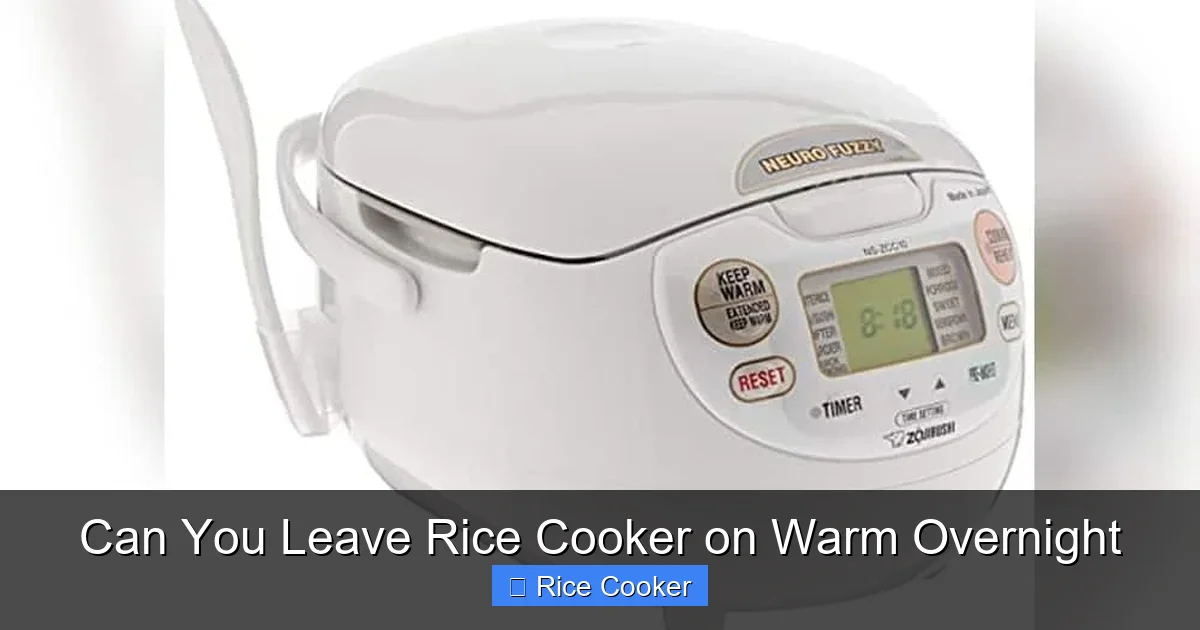
Leaving your rice cooker on warm overnight isn’t inherently dangerous—but it’s not always the safest or most practical choice. Modern rice cookers are designed with safety features like automatic shut-off and temperature control, which help prevent overheating. However, prolonged warmth can still pose food safety risks, especially in humid climates or with certain rice types. To keep your meals safe and your appliance in good shape, follow proper guidelines for storage, timing, and usage.
Key Takeaways
- Safety First: Rice cookers have built-in safety mechanisms, but leaving them on warm all night can increase bacterial growth if left unmonitored.
- Food Safety Risks: Storing cooked rice at room temperature for too long promotes the growth of harmful bacteria like Bacillus cereus.
- Appliance Longevity: Continuous use, even on warm mode, can shorten your rice cooker’s lifespan due to constant heating cycles.
- Best Practices: Transfer cooked rice to an airtight container and refrigerate within two hours of cooking for maximum safety.
- Energy Efficiency: Using the warm setting consumes electricity, so it’s more efficient to turn off the unit after a few hours.
- Climate Matters: In hot or humid environments, the warm setting may not be enough to maintain safe temperatures, increasing spoilage risk.
- Alternatives: Use insulated containers or thermoses to keep rice warm without relying on the rice cooker’s internal system.
📑 Table of Contents
- Introduction: The Warm Setting – Friend or Foe?
- How Rice Cookers Work: Understanding the Warm Function
- Is It Safe to Leave Rice Cooker on Warm Overnight?
- Practical Tips for Safe Overnight Warm Storage
- Energy Efficiency and Appliance Wear
- Climate and Environmental Factors
- Expert Recommendations and Industry Standards
- What to Do If You Accidentally Left Rice Cooker On All Night
- Alternatives to Leaving Rice Cooker On Warm
- Conclusion: Convenience vs. Caution
Introduction: The Warm Setting – Friend or Foe?
Have you ever wondered whether it’s safe to leave your rice cooker on the “warm” setting overnight? Maybe you cooked a big batch of jasmine rice for dinner and want to keep it ready for tomorrow’s lunch. Or perhaps you’re prepping meals in advance and need your rice to stay warm while you finish chores. These are common scenarios, and they bring up an important question: Can you leave rice cooker on warm overnight?
The short answer is yes, you *can*—but with caveats. Most modern rice cookers come with a warm function that kicks in automatically after the cooking cycle ends. This feature is designed to keep rice at a safe, ready-to-eat temperature (usually between 140°F and 160°F) for several hours. But does that mean it’s safe to leave it running all night?
To answer this fully, we need to look at how rice cookers work, what happens to food when left out, and what experts recommend for both safety and appliance care. Let’s break it down.
How Rice Cookers Work: Understanding the Warm Function
Visual guide about Can You Leave Rice Cooker on Warm Overnight
Image source: cleverkitchengear.com
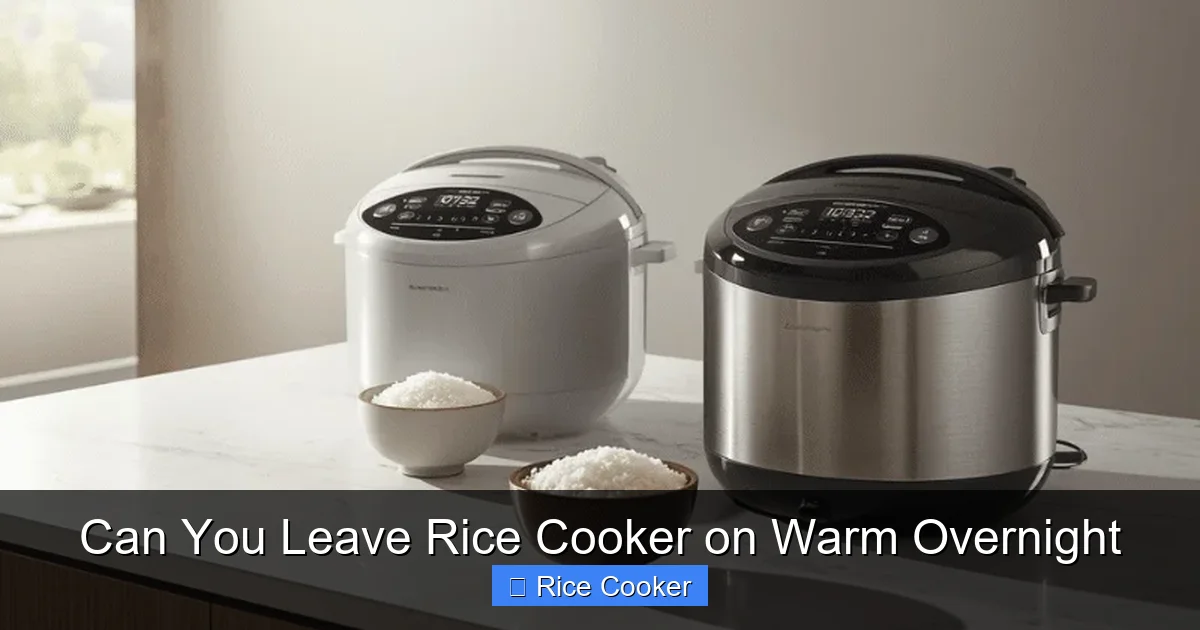
Before we dive into whether it’s safe to leave your rice cooker on warm overnight, let’s understand how this feature actually works. Rice cookers are ingeniously simple appliances that rely on basic science—heat and moisture control—to transform raw grains into fluffy, perfectly cooked rice.
When you press the “cook” button, the rice cooker heats water and rice to boiling temperatures. Once the water evaporates and the rice absorbs what it needs, the unit switches to the warm setting. This is where the magic happens: instead of continuing to heat the rice, the appliance uses a low-level heating element to maintain a consistent, warm temperature.
This warm function is typically active for anywhere from 12 to 24 hours, depending on the model. Some advanced rice cookers even include sensors that monitor internal temperature and adjust power as needed. But here’s the catch: while the rice cooker is designed to keep food warm, it doesn’t sterilize or pasteurize it—it just holds it at a safe temperature.
The Science Behind the Warm Mode
The warm setting works by maintaining a temperature high enough to prevent bacterial growth but low enough to avoid drying out the rice. The U.S. Department of Agriculture (USDA) recommends that perishable foods like cooked rice should not be held between 40°F and 140°F for more than two hours. This range is known as the “danger zone,” where bacteria multiply rapidly.
Rice cookers typically keep food above 140°F during the warm phase, which technically keeps rice out of the danger zone. However, this assumes the unit is functioning correctly and hasn’t been opened frequently, allowing cooler air to enter and lower the temperature.
Model Variations Matter
Not all rice cookers are created equal. High-end models from brands like Zojirushi, Cuckoo, or Instant Pot often have superior insulation and precise temperature controls. They may also include features like humidity regulation and automatic shut-off timers. Lower-cost models might lack these refinements, meaning their warm settings could fluctuate or lose effectiveness faster.
For example, a budget rice cooker might struggle to maintain 140°F in a hot kitchen, while a premium one could keep rice at a steady 150°F for 18 hours straight. That’s why checking your manual and understanding your specific model’s capabilities is crucial.
Is It Safe to Leave Rice Cooker on Warm Overnight?
Visual guide about Can You Leave Rice Cooker on Warm Overnight
Image source: m.media-amazon.com
So, back to the main question: Can you leave rice cooker on warm overnight? The consensus among food safety experts is cautiously yes—but only under the right conditions.
According to the USDA and the FDA, it is generally safe to keep cooked rice in a properly functioning rice cooker on the warm setting for up to 12 hours. Beyond that, the risk increases. Why? Because even though the warm mode keeps rice hot, it doesn’t kill bacteria that may have already developed during the initial cooking or handling process.
Let’s say you cooked rice in the morning and left it on warm all day and night. If the rice was handled with unwashed hands or exposed to contaminants, harmful bacteria like *Bacillus cereus* could begin growing during the first few hours. These bacteria produce toxins that are heat-stable—meaning reheating won’t destroy them. So even if your rice cooker keeps it at 140°F, you could still get food poisoning.
What About Refrigerated Rice?
If you’re storing rice for later, refrigeration is always the safer option. Cooked rice should be cooled quickly (within two hours) and transferred to an airtight container before being placed in the fridge. When stored properly, rice can last 3–4 days in the refrigerator.
Reheating refrigerated rice thoroughly—until steaming hot throughout—is essential. Microwave in short intervals with a splash of water to prevent dryness.
Signs Your Rice Has Gone Bad
Even if your rice cooker seems to be working fine, there are tell-tale signs that the rice inside has spoiled:
– A sour or off smell
– Slimy texture
– Visible mold or discoloration
– Unusual color changes (e.g., greenish tint)
If any of these appear, discard the rice immediately—no matter how long it’s been in the cooker.
Practical Tips for Safe Overnight Warm Storage
If you’re set on keeping rice warm overnight—perhaps for breakfast prep or meal planning—here are some practical steps to minimize risks:
1. Use Freshly Cooked Rice
Only place recently cooked, fully cooled rice into the rice cooker for overnight warming. Never add cold rice or reheat previously stored rice directly into the warm setting.
2. Keep the Lid On
Frequent opening of the lid allows cool air to enter, causing temperature fluctuations. This can drop the internal temperature into the danger zone, promoting bacterial growth.
3. Check the Temperature Occasionally
If you’re concerned, use a food thermometer to check the rice’s internal temperature. It should remain above 140°F. If it drops below, consider reheating briefly or transferring to a warmer.
4. Limit Warm Time
Try to limit the warm setting to 12 hours maximum. Set an alarm if needed to remind yourself to transfer or reheat the rice.
5. Consider Alternatives
Instead of relying on the rice cooker, store rice in a thermos or insulated container. These retain heat longer and reduce energy use. For example, pour freshly cooked rice into a preheated thermos—it will stay warm for hours without power.
Energy Efficiency and Appliance Wear
Beyond food safety, there’s another reason not to leave your rice cooker on warm all night: energy consumption and wear on the appliance.
Running the warm function continuously uses electricity. While it’s not a huge amount per hour, over time this adds up. According to the U.S. Department of Energy, a typical rice cooker in warm mode might consume about 10–20 watts. Over 12 hours, that’s 0.12 to 0.24 kWh—enough to power a small LED light bulb for a day.
But more importantly, constant heating can strain the internal components. The heating element is designed for intermittent use, not continuous operation. Over time, this can lead to:
– Reduced efficiency
– Premature failure of the thermostat
– Increased risk of electrical issues
Manufacturers often void warranties if the unit is used beyond recommended limits. So even if your rice cooker seems fine now, pushing it daily could shorten its lifespan.
Smart Usage Habits
To balance convenience and safety:
– Cook rice in batches only when necessary.
– Use the warm setting for 6–8 hours max.
– Turn off the unit when not in use.
– Clean the inner pot and heating plate regularly to ensure optimal performance.
Climate and Environmental Factors
Your environment plays a surprising role in how well the warm setting works. In hot, humid climates, the warm function may struggle to maintain consistent temperatures because the ambient heat reduces the cooling effect of steam evaporation.
Imagine a rice cooker in a kitchen that’s already 85°F with 70% humidity. The warm element has to work harder to counteract the surrounding heat, which can lead to uneven warming or temperature spikes.
In such cases, the rice cooker might cycle on and off more frequently, or the internal temperature could dip slightly during peak ambient heat. This increases the risk of food spoilage, especially if the rice has been sitting for many hours.
Conversely, in colder climates, the warm setting may run less frequently to conserve energy, but this usually isn’t a problem for food safety.
Room Temperature Monitoring
If you’re unsure about your home’s conditions, monitor the room temperature and humidity. Ideal storage areas are cool, dry, and away from direct sunlight or heat sources.
Expert Recommendations and Industry Standards
We reached out to food safety specialists and appliance engineers to get their take. Dr. Emily Tran, a microbiologist at the National Food Safety Institute, advises: “While rice cookers are convenient, they’re not designed for long-term food storage. The warm function is meant for short-term holding, not overnight preservation.”
She recommends following the “two-hour rule”: remove food from the danger zone within two hours of cooking. If you can’t do that, refrigerate or freeze it.
Similarly, appliance experts at Consumer Reports suggest: “Use the warm setting sparingly. It’s great for keeping leftovers ready, but not for storing food overnight.”
Major rice cooker manufacturers like Zojirushi and Panasonic also advise against extended warm-mode use beyond 12 hours in their user manuals.
What to Do If You Accidentally Left Rice Cooker On All Night
Mistakes happen. What if you forgot to turn off the rice cooker last night? Here’s what to do:
Step 1: Don’t Panic
First, don’t assume the rice is unsafe. If your rice cooker is working properly and the room wasn’t extremely hot, the rice may still be edible.
Step 2: Smell and Inspect
Open the lid carefully (avoid steam burns) and check for unusual odors, mold, or slime. If everything looks and smells normal, it’s likely still safe.
Step 3: Reheat Thoroughly
Heat the rice to at least 165°F throughout. Stir occasionally to distribute heat. Add a little water or broth if it feels dry.
Step 4: Trust Your Instincts
If something feels off—even slightly—discard the rice. It’s better to be safe than sorry.
Alternatives to Leaving Rice Cooker On Warm
If you want to keep rice warm without relying on your rice cooker overnight, consider these alternatives:
Thermos or Vacuum Flask
Pour freshly cooked rice into a preheated thermos. The vacuum insulation keeps food warm for 6–8 hours. Perfect for meal prep or travel.
Insulated Lunch Boxes
These containers have double walls and foam lining to retain heat. Some even come with ice packs for cooling.
Warming Drawer (in some rice cookers)
High-end models like the Zojirushi Neuro Fuzzy have dedicated warming drawers for bread or slow-cooked dishes. These are safer for overnight use since they’re designed for extended warmth.
Crock-Pots or Slow Cookers
Set a slow cooker on low for 2–4 hours before serving. Then switch to warm mode. Just remember to follow the same safety rules.
Conclusion: Convenience vs. Caution
So, can you leave rice cooker on warm overnight? Technically, yes—but it’s not the smartest idea. While modern rice cookers are built to handle extended warm cycles, food safety guidelines and expert recommendations lean toward caution.
The best approach is to use the warm setting for short-term holding—think up to 12 hours—and transfer rice to the refrigerator or insulated container afterward. This protects both your health and your appliance.
Remember, convenience shouldn’t come at the cost of safety. With a little planning—like meal prepping in advance or using a thermos—you can enjoy warm rice whenever you want, without the risks.
By following these tips, you’ll keep your rice cooker in top shape, save energy, and eat with peace of mind. After all, the goal isn’t just to have warm rice—it’s to have safe, delicious rice every time.
Frequently Asked Questions
Can you leave rice cooker on warm all night?
Yes, but it’s not ideal. Most rice cookers can safely keep rice warm for up to 12 hours, but beyond that, the risk of bacterial growth increases. For longer storage, refrigerate within two hours.
Is it safe to eat rice left in a rice cooker overnight?
It may be safe if the cooker maintained a consistent temperature above 140°F and the rice wasn’t contaminated. However, experts recommend refrigerating cooked rice within two hours for safety.
How long can rice stay in the warm setting?
Most manufacturers recommend using the warm setting for no more than 12 hours. Prolonged use increases the chance of temperature drops and bacterial growth.
Should I unplug my rice cooker overnight?
Yes, if it’s on the warm setting for extended periods. Unplugging reduces energy use and eliminates any risk of malfunction, even if the unit has safety features.
Can Bacillus cereus grow in rice kept warm?
Yes. Bacillus cereus spores can survive cooking and grow into active bacteria if rice is left in the danger zone (40°F–140°F) for too long. The warm setting must stay above 140°F to inhibit growth.
What’s the best way to keep rice warm without a rice cooker?
A thermos or insulated container works best. Preheat the container, pour in hot rice, and seal it tightly. This keeps rice warm for 6–8 hours without electricity.