
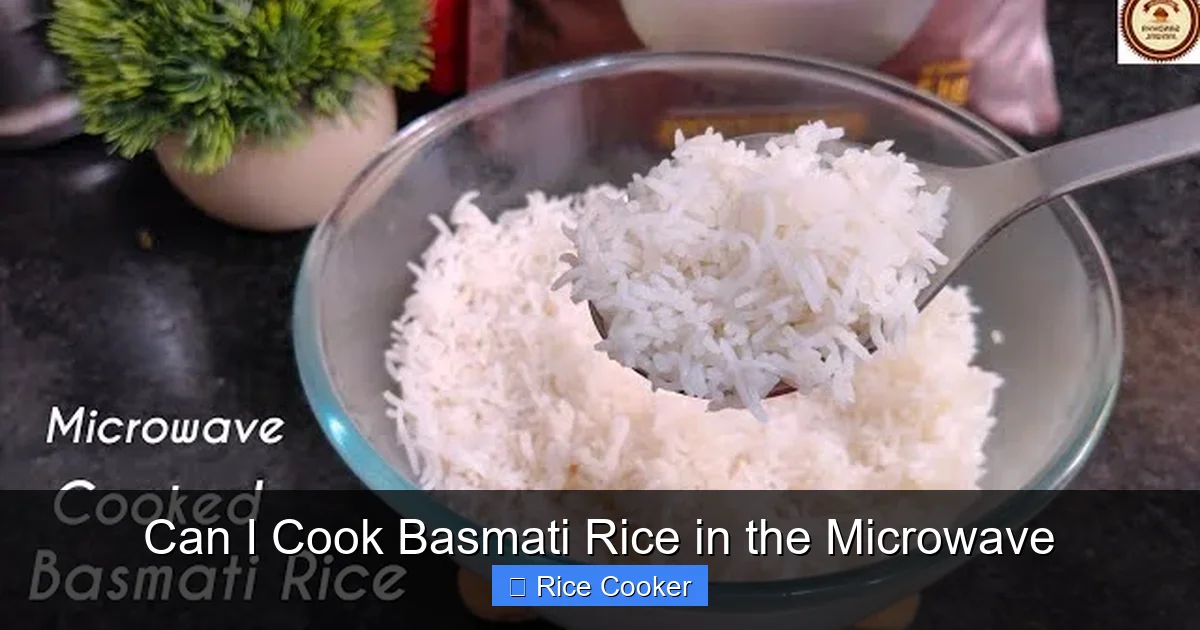
Can you cook basmati rice in the microwave? Absolutely—and it’s faster than boiling! With just water, a pinch of salt, and a few simple steps, you can enjoy perfectly cooked basmati rice in under 10 minutes. Whether you’re short on time or don’t own a rice cooker, the microwave is a surprisingly reliable kitchen tool. In this guide, we’ll walk you through the best techniques, answer common questions, and share pro tips to make your microwave basmati rice fluffy, fragrant, and foolproof every time.
Key Takeaways
- Microwave cooking works: Yes, basmati rice can be cooked perfectly in a microwave using the right ratio of water to rice and proper timing.
- Time-saving method: It takes only 5–10 minutes from start to finish, making it ideal for quick meals or when you’re out of other appliances.
- Flavor and texture matter: Washing rice, using a tight-fitting lid, and avoiding overfilling help ensure fluffy grains and full aroma.
- Equipment matters: A microwave-safe bowl with a vented lid or damp paper towel prevents steam buildup and keeps rice moist.
- Adjustments are key: Different brands, altitudes, and microwave wattages may require slight tweaks in water or cooking time.
- Versatile use: Cooked basmati rice can be reheated, used in pilafs, salads, or as a side dish—no leftover hassle.
- Safety first: Always use oven mitts when handling hot containers and never leave cooking food unattended.
Cooking basmati rice doesn’t always mean waiting for a pot to boil or cleaning up after a stovetop mess. For many home cooks—especially those living in dorm rooms, small apartments, or during power outages—the microwave becomes an unexpected hero. But here’s the truth: yes, you absolutely can cook basmati rice in the microwave, and doing so can actually yield delicious, fluffy results if you follow the right steps.
The key lies in understanding how microwaves generate heat—through water molecules vibrating rapidly—so keeping your rice moist while ensuring even cooking is essential. Unlike stovetop methods where heat distributes evenly from below, microwaves cook from within, which means moisture control and stirring become critical. But don’t worry; with a little practice, you’ll master this technique and never look back.
Whether you’re making biryani, fried rice, or simply serving a simple saffron-infused side dish, knowing how to cook basmati rice in the microwave expands your culinary flexibility. Plus, it’s perfect for meal prepping or whipping up dinner in under 15 minutes. So grab your favorite basmati rice, some water, and let’s get started!
Key Takeaways
- Understanding can i cook basmati rice in the microwave: Provides essential knowledge
📑 Table of Contents
- Why Choose Microwave Cooking for Basmati Rice?
- The Science Behind Microwave Rice Cooking
- Essential Tools and Ingredients You’ll Need
- Step-by-Step Guide: How to Cook Basmati Rice in the Microwave
- Pro Tips for Perfect Microwave Basmati Rice
- Flavoring Your Microwave Basmati Rice
- Storage and Reheating Tips
- Comparing Microwave vs. Other Methods
- Troubleshooting Common Issues
Why Choose Microwave Cooking for Basmati Rice?
Microwave cooking has long been underestimated when it comes to grains like basmati. Many assume that stovetop or rice cooker methods are the only ways to achieve the light, separate texture characteristic of good basmati. However, modern microwaves are powerful enough to mimic the gentle simmering process required for perfect rice—without constant attention.
One major advantage is convenience. No need to stand over a bubbling pot or worry about burning the bottom. Just measure, add water, cover, pop it in, and wait. Another benefit? Energy efficiency. Microwaves use less electricity than gas or induction burners, making them a smart choice for eco-conscious cooks.
Also, microwave cooking reduces cleanup. You’re using one bowl instead of multiple pots and strainers. And because there’s no evaporation loss (thanks to a sealed environment), you retain more nutrients and natural flavors in the rice.
Of course, not all microwaves are created equal. Wattage varies widely—from 600W to over 1200W—which affects cooking times. But with minor adjustments, even older models can produce excellent results.
The Science Behind Microwave Rice Cooking
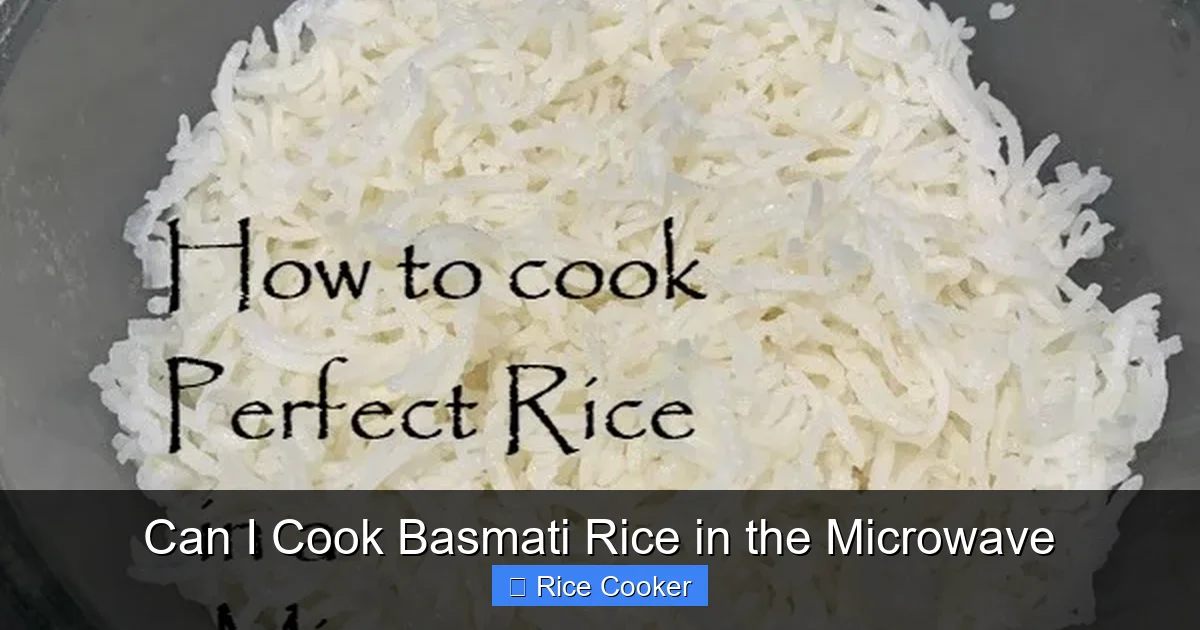
Visual guide about Can I Cook Basmati Rice in the Microwave
Image source: ribbonstopastas.com
To truly understand why microwave basmati rice works, it helps to know what happens inside the bowl. When you combine dry basmati rice with water and heat it in the microwave, the water absorbs energy and heats up rapidly. As temperatures rise above 100°C (212°F), the water begins to evaporate—but in a covered container, this vapor condenses and returns moisture to the rice grains.
Basmati rice contains starch that gelatinizes when heated in water, turning into a soft, pliable structure. The challenge? Ensuring every grain gets enough water without becoming mushy. Overcooking leads to sticky clumps; undercooking leaves hard centers.
That’s where the 1:1.5 to 1:2 water-to-rice ratio comes in. Traditional recipes often call for more liquid (like 1:2), but microwaves trap steam efficiently, so slightly less water prevents sogginess. Stirring once halfway through helps distribute heat and release excess steam.
Another factor is grain quality. Long-grain basmati varieties absorb water differently than short-grain types. Premium Indian or Pakistani basmati, known for its aromatic properties and slender shape, responds especially well to microwave treatment when rinsed properly.
Essential Tools and Ingredients You’ll Need
Before diving into the recipe, gather these items:
– **High-quality basmati rice** – Look for brands labeled “aged” or “premium,” as they have lower moisture content and cook better.
– **Microwave-safe bowl** – Choose one large enough to allow rice expansion (at least 3 quarts). Avoid metal or non-microwave-safe plastics.
– **Tight-fitting lid or plate** – A glass plate works great; if using plastic wrap, poke holes for ventilation.
– **Salt** – Enhances flavor without overpowering the delicate aroma.
– **Optional additions**: ghee, bay leaf, cardamom pods, or saffron for fragrance.
Avoid using regular cling film directly on food unless labeled microwave-safe. Instead, place a plate over the bowl or cover loosely with foil.
For best results, use filtered or boiled cold water—this removes chlorine and impurities that might affect taste.
Step-by-Step Guide: How to Cook Basmati Rice in the Microwave
Follow these simple steps for foolproof microwave basmati rice:
1. Rinse the Rice Thoroughly
Place 1 cup of uncooked basmati rice in a fine-mesh strainer. Rinse under cool running water until the water runs clear. This removes excess starch, preventing stickiness and improving texture.
2. Measure Water Accurately
Use a measuring cup to add 1.5 to 2 cups of cold water per 1 cup of rice. Start with 1.75 cups (a 1:1.75 ratio) as a baseline. Adjust based on your microwave’s power and desired consistency.
3. Combine in a Microwave-Safe Bowl
Transfer rinsed rice and water to a large microwave-safe bowl. Add a pinch of salt (about ½ teaspoon per cup). Optional: Add 1 tablespoon of ghee or oil for richness and separation.
4. Cover and Microwave
Cover the bowl tightly with a microwave-safe plate or lid. If using plastic wrap, secure edges with a rubber band and poke 4–5 small holes for steam escape.
Microwave on high for 8–10 minutes if your unit is 1000W+. For lower-wattage microwaves (under 800W), increase time by 1–2 minutes.
5. Let It Rest
Carefully remove the bowl (use oven mitts!). Let it sit covered for 5 minutes. This allows residual heat to finish cooking the center and firms up the texture.
6. Fluff and Serve
Uncover gently (watch for escaping steam!), then fluff with a fork. Check for any remaining hard spots—if found, microwave in 30-second bursts until tender.
Serve immediately or store for later use.
Pro Tips for Perfect Microwave Basmati Rice
Even seasoned cooks make mistakes—but learning from them leads to mastery. Here are insider tips to elevate your microwave basmati rice game:
Use the Right Container Size
Never overcrowd your bowl. Rice expands as it cooks, so choose a container at least 1.5x larger than the volume of rice. A 4-cup rice will need a 6-quart bowl minimum.
Stir Gently Midway
After 4–5 minutes of cooking, open the cover and stir once with a fork. This redistributes heat and prevents uneven cooking. Be careful—steam will billow out!
Adjust for Altitude and Microwave Power
At higher elevations, water boils at lower temperatures, so increase cooking time by 1–2 minutes. If your microwave is weaker (check label), add 1 minute per cycle until done.
Keep a Rice Journal
Track your ratios, times, and outcomes. Note whether the rice was too wet, too dry, or perfectly fluffy. Over weeks, you’ll develop a personalized formula.
Reheat Like a Pro
To revive cooled rice, sprinkle a splash of water, cover, and microwave for 30 seconds. Fluff again—it’ll taste fresh.
Avoid Common Mistakes
Don’t skip rinsing—it’s non-negotiable for fluffy rice. Never seal completely airtight containers (pressure builds!). And always use cold water—hot water starts cooking too fast.
Flavoring Your Microwave Basmati Rice
Plain white basmati is versatile, but adding subtle aromatics transforms it into a star ingredient. Try these ideas:
– **Saffron Rice**: Crush ¼ tsp saffron threads in warm milk, mix into cooked rice.
– **Herbed Pilaf**: Sauté onion and garlic in ghee before adding rice; finish with chopped parsley.
– **Spiced Version**: Add 2 green cardamom pods or ½ tsp cumin seeds during soaking.
– **Coconut Infusion**: Simmer rice with coconut milk instead of water for creamy sweetness.
Remember: Less is more. Too many spices overwhelm basmati’s signature floral notes.
Storage and Reheating Tips
Leftover microwave basmati rice stores beautifully. Transfer to an airtight container and refrigerate for up to 5 days. Freeze in portions for up to 3 months.
When reheating, add a teaspoon of water per cup, cover, and microwave in 30-second intervals, stirring between each. Avoid microwaving uncovered—moisture evaporates too quickly.
Never reheat rice more than once. Bacteria like *Bacillus cereus* can survive initial cooking and multiply if improperly stored or reheated.
Comparing Microwave vs. Other Methods
| Method | Time | Texture | Effort Level | Best For |
|—————–|———-|—————|————–|————————|
| Stovetop | 20–25 min| Fluffy, firm | Medium | Large batches, pilafs |
| Rice Cooker | 15–18 min| Consistent | Low | Daily use, automation |
| Microwave | 8–12 min | Light, separate| Very low | Quick meals, single servings |
| Instant Pot | 12–15 min| Tender | Medium | Multi-task cooking |
Each method has strengths. The microwave wins on speed and simplicity, while rice cookers offer precision. But for emergency dinners or dorm-room cooking, the microwave stands out.
Troubleshooting Common Issues
Even with perfect technique, things go wrong sometimes. Here’s how to fix them:
Rice Is Mushy
Cause: Too much water or overcooking.
Solution: Next time, reduce water by ¼ cup and cut microwave time by 1 minute. Always rest before checking.
Gritty Texture
Cause: Unrinsed rice retaining starch.
Solution: Rinse 3–4 times until water clears. Use finer mesh strainer.
Uneven Cooking (Hard Center)
Cause: Low microwave power or thick bowl.
Solution: Stir halfway through. Switch to smaller batches if needed.
Off Odor or Taste
Cause: Old rice or contaminated container.
Solution: Use fresh rice stored in airtight container. Clean bowl thoroughly before reuse.
Too Much Steam
Cause: Poor venting.
Solution: Poke more holes in plastic wrap or use vented lid.
With patience, most issues become learning opportunities rather than setbacks.
Frequently Asked Questions
How much water do I use for basmati rice in the microwave?
Use 1.5 to 2 cups of water per 1 cup of rice. Start with 1.75 cups for a balanced result. Adjust based on your microwave’s power and personal preference.
Do I need to soak basmati rice before microwaving?
Soaking isn’t required but helps reduce cooking time and improve texture. Soak for 20–30 minutes before rinsing and cooking.
Can I cook frozen basmati rice in the microwave?
Yes, but add extra water (increase by ¼ cup) and extend cooking time by 2–3 minutes. Stir occasionally to prevent clumping.
Is it safe to leave rice cooking unattended in the microwave?
No. Always monitor during the final 2 minutes. Rice can boil over or dry out quickly if left alone.
What’s the difference between regular rice and basmati rice in microwave cooking?
Basmati has longer grains and lower starch content, yielding fluffier results. Regular long-grain rice may turn softer or stickier.
Can I cook basmati rice in a slow cooker instead?
Yes, but it’s slower (2–3 hours). Use 2 cups water per 1 cup rice, cover, and set to low. Not recommended for microwave-specific tips.