
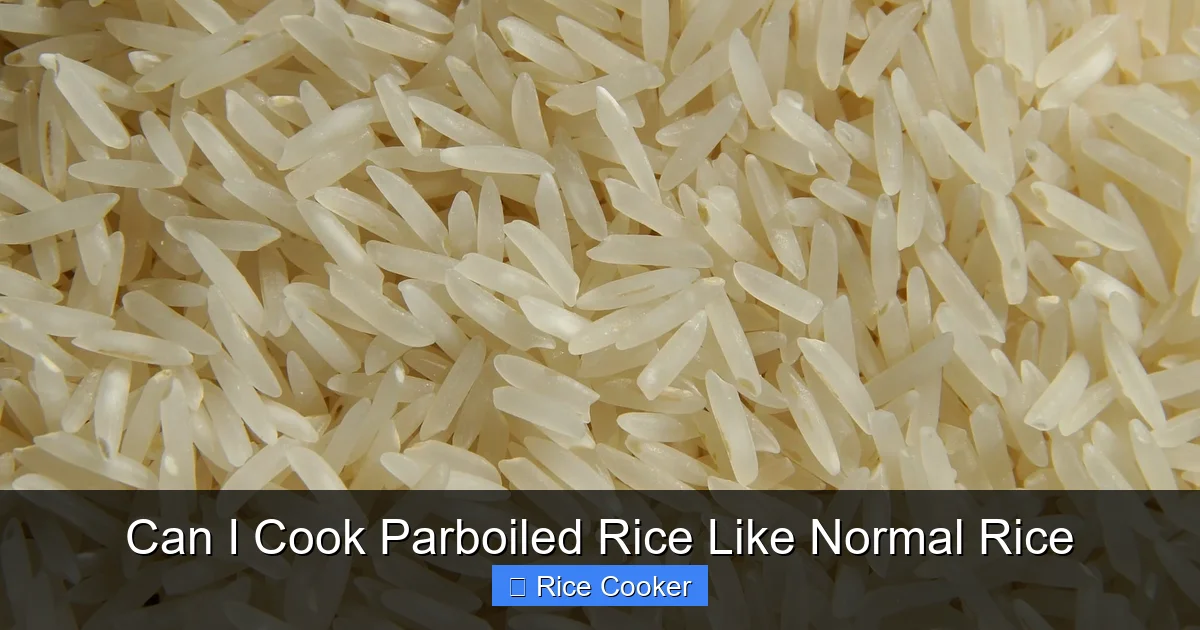
Can I cook parboiled rice like normal rice? Absolutely! While parboiled rice has been partially boiled in its husk, making it denser and more nutrient-rich, it can still be prepared just like regular white rice—especially in a rice cooker. With the right water ratio, cooking time, and a few simple tips, you’ll enjoy perfectly fluffy and tender grains every time.
You might also encounter arborio rice, which is often used for risotto and has its own cooking considerations.
Key Takeaways
- Yes, you can cook parboiled rice like normal rice: Parboiled rice is fully compatible with standard rice cooker methods, offering a nutritious alternative to white rice.
- Water ratio matters: Use a slightly higher water-to-rice ratio (about 1:1.5 or 1:1.75) compared to white rice for optimal texture.
- Cooking time varies: Parboiled rice often takes 10–15 minutes longer than regular white rice due to its denser structure.
- Soaking improves results: A quick 15–30 minute soak before cooking helps distribute moisture evenly and prevents uneven cooking.
- Rinse before cooking: Rinsing removes excess starch and prevents clumping, especially important for parboiled varieties.
- Fluff gently after cooking: Let the rice rest for 5 minutes after cooking, then fluff lightly with a fork to avoid mushiness.
- Experiment with recipes: Parboiled rice works great in stir-fries, pilafs, casseroles, and even as a side dish—just adjust liquid accordingly.
📑 Table of Contents
- Introduction: The Versatile World of Parboiled Rice
- What Is Parboiled Rice, Anyway?
- How Does Cooking Method Affect Parboiled Rice?
- Practical Tips for Perfect Parboiled Rice in Your Rice Cooker
- Serving Suggestions: Beyond Plain White Rice
- Troubleshooting Common Issues
- Storage and Reheating Made Easy
- Final Thoughts: Why Choose Parboiled Rice?
Introduction: The Versatile World of Parboiled Rice
If you’ve ever stood in the grocery aisle staring at bags of rice—white, brown, jasmine, basmati—you might have noticed one less familiar option: parboiled rice. Also known as converted rice, it looks almost identical to white rice but packs a nutritional punch that regular milled rice doesn’t. But here’s the big question on many home cooks’ minds: can I cook parboiled rice like normal rice?
The short answer? Yes—and it’s easier than you think. Whether you’re using an electric rice cooker, stovetop pot, or even an Instant Pot, parboiled rice responds well to standard cooking techniques. In fact, because it’s been pre-treated during processing, it actually holds up better during cooking, resists overcooking, and stays firmer when cooled. That makes it ideal for dishes where you want distinct grains, like fried rice or stuffed peppers.
In this article, we’ll walk through everything you need to know about cooking parboiled rice like normal rice—using your rice cooker specifically. From choosing the right type to mastering water ratios, timing, and serving suggestions, you’ll become a pro in no time. Plus, we’ve included practical tips, troubleshooting advice, and recipe ideas so you can get started immediately.
What Is Parboiled Rice, Anyway?
A Quick History Lesson
Parboiling dates back centuries, originally developed in South Asia as a way to preserve rice during long storage periods. The process involves soaking rough (uncleaned) rice grains in water, then slowly boiling them while still in their husks. This causes nutrients from the outer layers to migrate into the inner grain, creating what’s called a “converted” rice—hence the name “parboiled” or “converted rice.”
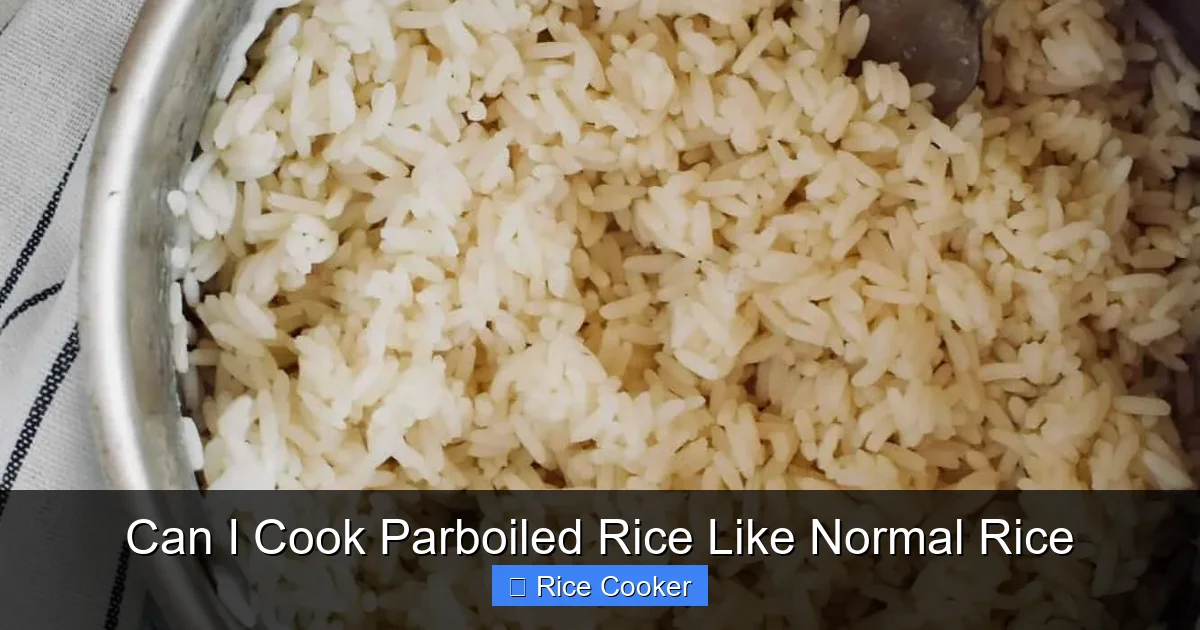
Visual guide about Can I Cook Parboiled Rice Like Normal Rice
Image source: howtocook-guide.com
Nutritional Benefits
Unlike white rice, which loses most of its fiber, B vitamins, and minerals during milling, parboiled rice retains more of these essential nutrients. Studies show that parboiling increases the availability of thiamine (B1), niacin (B3), and folate by up to 60%. It also has a lower glycemic index than white rice, meaning it causes slower spikes in blood sugar—great news for people managing diabetes or insulin resistance.
Texture and Appearance
Visually, parboiled rice resembles regular white rice—small, oval-shaped grains with a slightly chalky appearance. However, once cooked, it tends to be firmer, drier, and more separate than white rice. This structural integrity comes from the partial gelatinization of starches during the parboiling process, which locks in shape and reduces stickiness.
How Does Cooking Method Affect Parboiled Rice?
Rice Cooker vs. Stovetop: Which Works Better?
While both methods work well, using a rice cooker is often the easiest and most reliable way to cook parboiled rice like normal rice. Electric rice cookers maintain consistent temperatures and automatically switch to “warm” mode once done, preventing scorching or drying out. Most modern models also have dedicated settings for brown rice or mixed grains, though parboiled rice typically falls under the “white rice” setting.
On the stovetop, you’ll need to monitor heat closely and adjust for evaporation. A heavy-bottomed saucepan with a tight-fitting lid works best. Stir occasionally during the last 5 minutes to prevent sticking, then let it sit off the heat for 5 minutes before fluffing.
Why Water Ratio Matters
This is where many beginners go wrong. Parboiled rice absorbs water differently than regular white rice. Because it’s denser and partially cooked already, it needs slightly more liquid to cook through properly. For every cup of parboiled rice, use between 1.5 and 1.75 cups of water (or broth). Too little water leads to undercooked centers; too much makes the rice soggy.
Pro tip: If your rice cooker has measuring lines inside the bowl, fill to the “medium” or “large” setting if you’re using 1 cup of rice. Some brands label it explicitly as “converted rice” or “parboiled,” so check your manual!
Timing Is Everything
Standard white rice usually cooks in 15–18 minutes. Parboiled rice, however, often takes 20–30 minutes total, including soaking and resting time. If you skip soaking (more on that next), add another 10 minutes to the cook time. Always check doneness by tasting a few grains—they should be tender but not mushy, with no hard centers.
Practical Tips for Perfect Parboiled Rice in Your Rice Cooker
Step-by-Step Guide
- Rinse the rice: Place rice in a fine-mesh strainer and rinse under cold running water until the water runs clear. This removes surface starch and reduces stickiness.
- Soak (optional but recommended): Soak rinsed rice for 15–30 minutes. This softens the outer layer and ensures even cooking.
- Add water/broth: Pour soaked (or uns soaked) rice into the rice cooker bowl. Add 1.5–1.75 cups water per 1 cup rice.
- Close lid and select “White Rice” mode: Most rice cookers default to this setting, which applies gentle, sustained heat perfect for parboiled grains.
- Wait patiently: Don’t lift the lid during cooking! Resist the urge to peek—it releases steam and can disrupt the process.
- Let it rest: After the cycle ends, keep the rice warm for 5–10 minutes. Then gently fluff with a fork.
Common Mistakes to Avoid
- Using old or low-quality rice: Freshness affects texture. Store rice in an airtight container away from light and moisture.
- Skipping rinsing: Unrinsed parboiled rice can be overly sticky or gummy.
- Overfilling the cooker: Never exceed the max line. Rice expands during cooking!
- Fluffing too soon: Pressing down hard or stirring vigorously releases starch and turns rice into paste.
Enhancing Flavor Without Salt
Want richer-tasting rice without adding sodium? Try these tricks:
– Cook in vegetable, chicken, or beef broth instead of water.
– Add a teaspoon of olive oil or butter to the water before cooking.
– Infuse the liquid with garlic cloves, bay leaves, or a sprig of thyme while boiling.
Serving Suggestions: Beyond Plain White Rice
Classic Side Dishes
Parboiled rice stands up beautifully to bold flavors. Serve it alongside grilled chicken, roasted vegetables, or curry. Its firm texture keeps it intact when scooped, unlike softer rice varieties.
Creative Recipes
- Fried Rice Perfection: Use leftover cooked parboiled rice (chilled overnight works best). Sauté with soy sauce, scrambled eggs, peas, carrots, and green onions.
- Vegetable Pilaf: Sauté diced onions, bell peppers, and mushrooms. Add cooked parboiled rice and simmer in broth with herbs for 5 minutes.
- Rice Casserole: Layer cooked rice with cheese, cooked sausage, and spinach. Bake at 375°F (190°C) for 20–25 minutes.
- Stuffed Peppers: Fill halved bell peppers with a mix of parboiled rice, ground meat, tomatoes, and spices. Bake covered for 45 minutes.
You can even bake desserts like cakes in your rice cooker—see our guide on making a cake in a rice cooker.
Beverage Pairings
Think beyond wine! Light beers, iced tea, or sparkling water complement parboiled rice well—especially with spicy or savory dishes. Avoid heavy red wines that overwhelm delicate flavors.
Troubleshooting Common Issues
Rice Is Too Dry or Crunchy
Cause: Insufficient water or short cook time.
Solution: Increase water by ¼ cup increments next time. Let soaked rice cook longer—check at 25 minutes and continue if needed.
Rice Is Mushy or Sticky
Cause: Overcooking or too much water.
Solution: Drain excess liquid after cooking. Fluff immediately with a fork. Next batch, reduce water slightly and avoid lifting the lid.
Grains Are Unevenly Cooked
Cause: Poor distribution of water or unsoaked rice.
Solution: Rinse thoroughly and soak before cooking. Gently stir once halfway through (only if using stovetop).
Burnt Bottom Layer
Cause: High heat or non-stick coating damage.
Solution: Use medium-low heat on stovetop. Ensure the pot base is clean and undamaged. For rice cookers, descale regularly to maintain performance.
Storage and Reheating Made Easy
Cooling & Refrigeration
Once cooled completely, transfer parboiled rice to an airtight container. It stays fresh in the fridge for up to 5 days. Freeze portions in freezer-safe bags for up to 3 months.
Reheating Tips
- Microwave method: Place rice in a microwave-safe dish. Add 1 tablespoon water per cup. Cover with damp paper towel. Heat on high for 1–2 minutes, stir, then repeat as needed.
- Stovetop method: Steam rice over low heat with a splash of water or broth until warmed through.
- Avoid drying: Don’t reheat without adding moisture—parboiled rice dries out quickly.
Final Thoughts: Why Choose Parboiled Rice?
You now know the answer to the title question: yes, you absolutely can cook parboiled rice like normal rice, and doing so opens up a world of healthier, tastier meal options. Whether you’re feeding a family, meal-prepping for the week, or simply looking to upgrade your side dish game, parboiled rice delivers on nutrition, texture, and versatility—all within the familiar framework of your trusty rice cooker.
Give it a try tonight. Start with a simple 1:1.5 water ratio, rinse well, and let your rice cooker do the rest. You might just discover your new favorite grain.
Frequently Asked Questions
Is parboiled rice the same as brown rice?
No, they are different. Brown rice is whole-grain rice with only the inedible outer hull removed, while parboiled rice undergoes a specific processing method involving partial boiling in the husk. Parboiled rice looks like white rice but retains more nutrients than regular white rice.
Do I need to soak parboiled rice before cooking?
Soaking is optional but recommended. A 15–30 minute soak helps distribute moisture evenly and can reduce cook time. It’s especially helpful if you’re using a rice cooker and want consistent results every time.
Can I substitute parboiled rice for white rice in any recipe?
Most recipes calling for white rice can use parboiled rice as a substitute. Just remember to increase the liquid slightly and expect a firmer, drier texture. It works particularly well in fried rice, casseroles, and stuffing dishes.
How much water do I use for 1 cup of parboiled rice?
Use 1.5 to 1.75 cups of water per 1 cup of parboiled rice. This accounts for its denser structure and partial pre-cooking. Adjust based on your desired consistency—more water yields softer rice.
Can I cook parboiled rice in an Instant Pot?
Yes! Use the “White Rice” setting or set the timer for 12–15 minutes on high pressure, followed by a natural release. Follow the same water ratio guidelines as with a rice cooker.
Does parboiled rice take longer to cook than white rice?
Not necessarily. While it may take slightly longer due to density, the parboiling process actually speeds up final cooking time. Total cook time is usually comparable to white rice when using proper ratios and methods.