
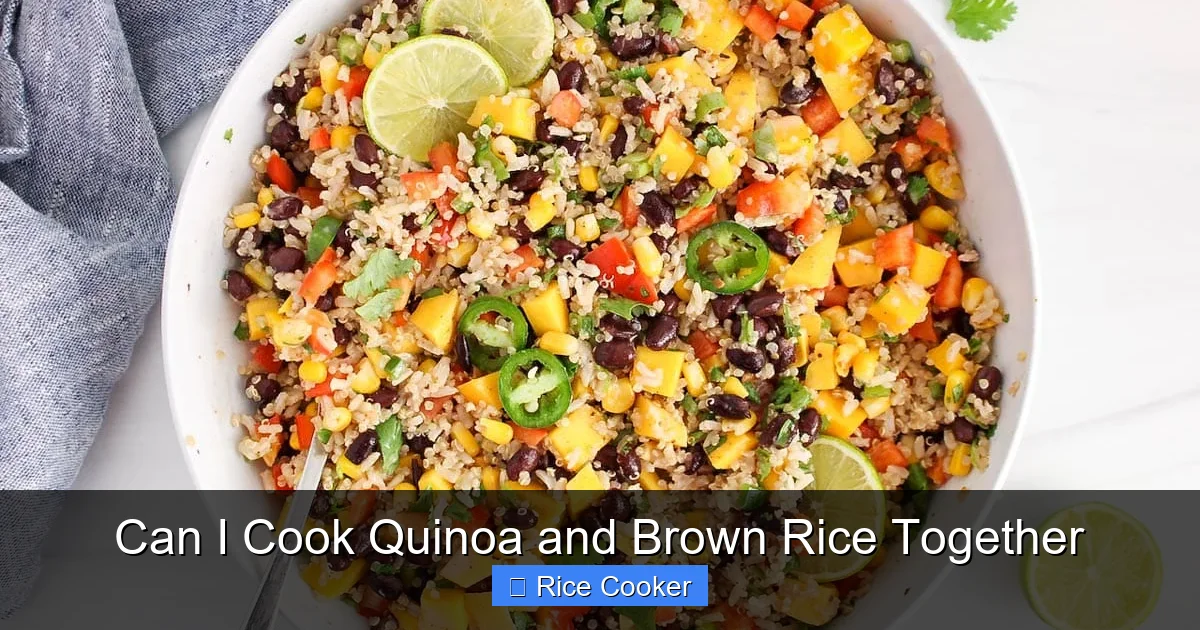
Can I cook quinoa and brown rice together? Absolutely! This simple combination creates a balanced, fiber-rich meal that’s both satisfying and nutritious. With the right ratio and timing, you can enjoy fluffy brown rice and tender quinoa in one delicious dish—perfect for meal prep or a healthy dinner.
Key Takeaways
- Yes, they can be cooked together: Quinoa and brown rice complement each other well when cooked in a rice cooker.
- Use the right water-to-rice ratio: Brown rice needs more water than white rice, while quinoa requires less—find the balance for perfect results.
- Cooking time varies: Brown rice takes longer, so consider soaking or adjusting timing to ensure both grains finish evenly.
- Flavor and texture blend nicely: The nutty flavor of quinoa pairs perfectly with the hearty chew of brown rice.
- Meal prep friendly: Cook once, eat twice—this mix is ideal for lunches, salads, or grain bowls.
- Boost nutrition: Combining both grains increases protein, fiber, and essential nutrients like magnesium and iron.
- Customizable and versatile: Add vegetables, herbs, or spices to enhance taste without extra effort.
📑 Table of Contents
- Introduction: A Wholesome Duo in One Pot
- Understanding Quinoa and Brown Rice
- Why Use a Rice Cooker?
- How to Cook Quinoa and Brown Rice Together
- Tips for Perfect Results
- Serving Suggestions and Meal Ideas
- Nutritional Benefits of Combining Quinoa and Brown Rice
- Frequently Asked Questions About Cooking Quinoa and Brown Rice Together
Introduction: A Wholesome Duo in One Pot
Have you ever wondered if you can cook quinoa and brown rice together? The short answer is yes—and it’s not only possible but also delicious, nutritious, and surprisingly easy. Whether you’re meal prepping for the week or looking to add variety to your grain-based meals, combining these two powerhouse grains in a rice cooker is a game-changer. Both quinoa and brown rice are whole grains rich in fiber, protein, and essential vitamins, making them excellent choices for a balanced diet. When cooked together, they create a harmonious blend of textures and flavors that elevate any dish from simple to satisfying.
Using a rice cooker simplifies the process, eliminating guesswork and ensuring consistent results every time. No need to monitor the stove or worry about burning—just measure, add water, press start, and let technology do the rest. In this article, we’ll walk you through everything you need to know about cooking quinoa and brown rice together, including the best methods, ratios, and creative ways to serve them. So grab your favorite rice cooker and get ready to discover why this dynamic duo deserves a permanent spot in your kitchen.
Understanding Quinoa and Brown Rice
The Nutritional Powerhouses
Before diving into cooking techniques, it’s helpful to understand what makes quinoa and brown rice stand out as superfoods. Quinoa, often called a “super grain,” is technically a seed but behaves like a grain during cooking. It’s naturally gluten-free and packed with complete protein, meaning it contains all nine essential amino acids. This makes it an excellent choice for vegetarians and vegans. A single cup of cooked quinoa provides about 8 grams of protein and 5 grams of fiber, along with vital minerals like magnesium, iron, and potassium.
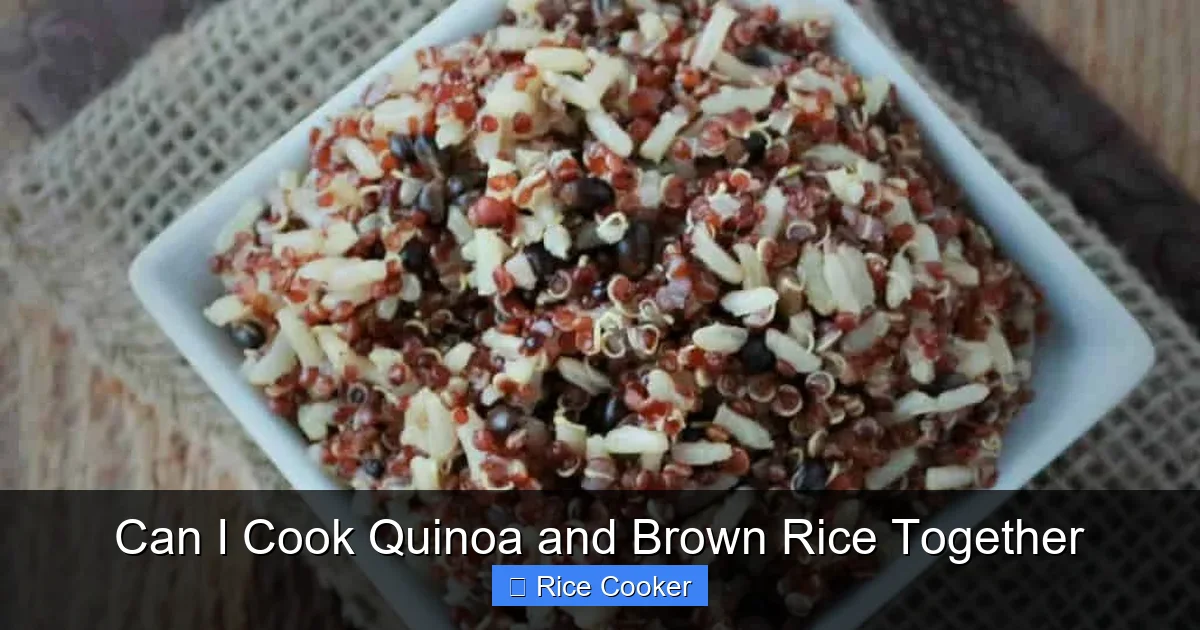
Visual guide about Can I Cook Quinoa and Brown Rice Together
Image source: homemadefoodjunkie.com
Brown rice, on the other hand, is the whole grain version of white rice. Unlike its refined counterpart, brown rice retains its bran and germ, preserving most of its nutrients. It’s higher in fiber—about 3.5 grams per cup when cooked—and rich in B vitamins, selenium, and manganese. While it doesn’t have as much protein as quinoa, brown rice offers sustained energy thanks to its complex carbohydrates and lower glycemic index compared to white rice.
Texture and Flavor Profiles
When combined, quinoa and brown rice offer a delightful contrast in texture. Quinoa tends to be light, slightly chewy, and has a subtle, nutty flavor. Brown rice is denser, chewier, and earthier in taste. Together, they create a more complex mouthfeel and richer taste profile than either grain alone. This makes them ideal for salads, grain bowls, soups, or even as a side dish with roasted vegetables.
Another advantage of mixing the two is that quinoa helps soften the chewiness of brown rice, while brown rice adds substance and heartiness to the lighter quinoa. This balance ensures you don’t end up with one grain undercooked or the other overdone.
Why Use a Rice Cooker?
Consistency at Its Best
If you’ve ever tried cooking rice on the stovetop, you know how tricky it can be—too little water and it’s dry; too much and it’s mushy. A rice cooker eliminates this stress by automatically detecting when the cooking cycle is complete. It maintains precise temperature control and steam regulation, which is especially important when dealing with two grains that have different absorption rates.
Modern rice cookers come with multiple settings—like “brown rice” or “quinoa”—but many people prefer the “white rice” setting for versatility. This is perfectly fine when cooking them together, as long as you adjust the water accordingly. The key is finding the right ratio so both grains absorb moisture evenly and finish cooking at the same time.
Time-Saving and Hands-Off Convenience
One of the biggest perks of using a rice cooker is its hands-off nature. You don’t need to stir, watch the pot, or adjust heat levels. Just add your ingredients, press a button, and go about your day. Many models also have a “keep warm” function that maintains the perfect serving temperature for hours, making it ideal for busy schedules.
Additionally, cleaning up is a breeze. Most rice cooker bowls are non-stick and dishwasher-safe, saving you time after dinner. This convenience factor makes it especially appealing for families or anyone who wants to streamline their cooking routine.
You can also expand your rice cooker repertoire by trying dishes like Arborio rice; check out our guide on making Arborio rice in a rice cooker.
How to Cook Quinoa and Brown Rice Together
Step-by-Step Guide
Ready to try it yourself? Follow these simple steps for foolproof results:
- Rinse the grains: Always rinse quinoa and brown rice under cold water to remove surface starch and potential bitterness (especially in quinoa, which has a natural coating called saponin).
- Combine in the rice cooker bowl: For every 1 cup of brown rice, use 1 cup of quinoa. Start with this equal ratio, but feel free to adjust based on preference.
- Add water: Brown rice typically needs about 2 cups of water per cup of uncooked rice. Quinoa usually only needs 1.5 cups. To find the sweet spot, add 1.75 cups of water per cup of mixed grains. You can always add a bit more if needed—the rice cooker will absorb what it needs.
- Optional: Add salt or oil: A pinch of salt enhances flavor, and a teaspoon of oil helps prevent sticking and adds richness.
- Start the cook cycle: Select the “white rice” or “regular” setting unless your model has a specific “quinoa” option. If it does, that’s great—but the white rice setting works just fine.
- Let it rest: Once done, let the mixture sit covered for 5–10 minutes. This allows any remaining moisture to distribute evenly.
- Fluff and serve: Use a fork to gently fluff the grains before serving. Now enjoy!
Troubleshooting Common Issues
Even with the best intentions, things don’t always go perfectly. Here’s how to fix common problems:
- Gummy or mushy texture: This happens when there’s too much water. Next time, reduce the water slightly and drain any excess if necessary.
- Undercooked center: Brown rice takes longer to cook than quinoa. Try soaking the brown rice for 30 minutes beforehand, or cook it separately and mix afterward.
- Bitter taste: Usually caused by unrinsed quinoa. Always rinse thoroughly before cooking.
- Sticky grains: Overcooking or insufficient rinsing can cause stickiness. Stick to proper ratios and avoid lifting the lid during cooking.
Tips for Perfect Results
Soaking for Better Texture
Soaking brown rice for 30 minutes to an hour before cooking reduces cooking time and improves digestibility. It also helps the grain break down some of its phytic acid, making nutrients more available. While quinoa doesn’t require soaking, doing so won’t hurt—it may just make the texture even softer.
Experimenting with Ratios
There’s no hard rule—your taste buds are your guide! Some people prefer more quinoa for a lighter feel, while others lean toward more brown rice for heartiness. Try ratios like 3:1 (brown rice to quinoa) or 1:2 for different outcomes. Keep notes on what you like best for future reference.
Adding Flavor Without Extra Effort
Want to jazz up your grain mix? Add aromatics like garlic, onion, or bay leaves to the water before cooking. Herbs such as thyme or rosemary infuse subtle flavor. For a savory twist, stir in diced tomatoes, spinach, or sautéed mushrooms after cooking. You can even mix in cooked beans or lentils for extra protein.
If you’re feeling adventurous, you can even bake a cake in your rice cooker—see our tutorial on making a cake in a rice cooker.
Serving Suggestions and Meal Ideas
Grain Bowls
The ultimate way to showcase your quinoa-brown rice combo is in a colorful grain bowl. Layer the grains with roasted sweet potatoes, chickpeas, avocado slices, shredded carrots, and a tahini-lemon dressing. Top with pumpkin seeds for crunch. These bowls are Instagram-worthy and packed with nutrients.
Salads
Cool down your meal with a chilled grain salad. Mix the cooked grains with cucumber, cherry tomatoes, red onion, parsley, and feta cheese. Dress it with olive oil, lemon juice, and oregano. Serve over lettuce for a refreshing summer dish.
Soups and Stews
Add a handful of cooked grains to miso soup, tomato stew, or lentil curry. They bulk up the meal, add texture, and boost fiber content without altering the flavor profile significantly.
Breakfast Options
Who says grains are just for dinner? Make a hot cereal by reheating the mixture with milk, cinnamon, and a drizzle of honey. Or top it with fresh berries and nuts for a wholesome breakfast.
Nutritional Benefits of Combining Quinoa and Brown Rice
Cooking quinoa and brown rice together isn’t just convenient—it’s smart from a health perspective. When eaten individually, each grain offers unique benefits, but together, they create a synergistic effect. For example, quinoa supplies high-quality plant-based protein, while brown rice contributes slow-burning carbs that stabilize blood sugar. This combo supports sustained energy throughout the day.
Both grains are rich in antioxidants, particularly lignans in brown rice and kaempferol in quinoa, which help combat inflammation. The high fiber content promotes digestive health and supports weight management by keeping you full longer. Additionally, the mineral profile improves bone strength, nerve function, and muscle recovery.
For those managing conditions like diabetes or hypertension, this grain mix is a great choice due to its low glycemic load and heart-healthy fats. And since both are naturally gluten-free, they’re safe for people with celiac disease or gluten sensitivity.
Frequently Asked Questions About Cooking Quinoa and Brown Rice Together
Can I substitute white rice for brown rice?
Yes, but keep in mind that white rice cooks faster and uses less water. If substituting, reduce the total water by about ¼ cup and check for doneness sooner. However, brown rice adds more fiber and nutrients, so it’s worth the extra effort.
Do I need to soak both grains before cooking?
Soaking brown rice is recommended to improve texture and reduce cooking time. Quinoa doesn’t require soaking, but doing so won’t harm it. At minimum, rinse both thoroughly before adding to the rice cooker.
Can I cook them in separate batches instead?
Absolutely! If you notice one grain finishes much earlier than the other, cook them separately and combine afterward. This gives you more control over texture and prevents overcooking.
Will the flavors mix completely?
Not always. You might still detect slight differences in taste between the grains, but the overall flavor becomes more unified. If you want stronger integration, cook them together and let them cool slightly before mixing.
How do I store leftovers?
Store cooled grains in an airtight container in the refrigerator for up to 5 days. Reheat with a splash of water or broth to restore moisture. They also freeze well—portion into containers and thaw as needed.
Is it okay to add vegetables while cooking?
Yes! Steamed broccoli, peas, or corn added during the last 5–10 minutes of cooking will stay tender-crisp. Just make sure the water level accommodates the extra volume.
Wondering about safety? Learn more about leaving a rice cooker unattended or on warm overnight in our guide: Can I leave the rice cooker on warm overnight?
Frequently Asked Questions
Can I substitute white rice for brown rice?
Yes, but keep in mind that white rice cooks faster and uses less water. If substituting, reduce the total water by about ¼ cup and check for doneness sooner. However, brown rice adds more fiber and nutrients, so it’s worth the extra effort.
Do I need to soak both grains before cooking?
Soaking brown rice is recommended to improve texture and reduce cooking time. Quinoa doesn’t require soaking, but doing so won’t harm it. At minimum, rinse both thoroughly before adding to the rice cooker.
Can I cook them in separate batches instead?
Absolutely! If you notice one grain finishes much earlier than the other, cook them separately and combine afterward. This gives you more control over texture and prevents overcooking.
Will the flavors mix completely?
Not always. You might still detect slight differences in taste between the grains, but the overall flavor becomes more unified. If you want stronger integration, cook them together and let them cool slightly before mixing.
How do I store leftovers?
Store cooled grains in an airtight container in the refrigerator for up to 5 days. Reheat with a splash of water or broth to restore moisture. They also freeze well—portion into containers and thaw as needed.
Is it okay to add vegetables while cooking?
Yes! Steamed broccoli, peas, or corn added during the last 5–10 minutes of cooking will stay tender-crisp. Just make sure the water level accommodates the extra volume.