
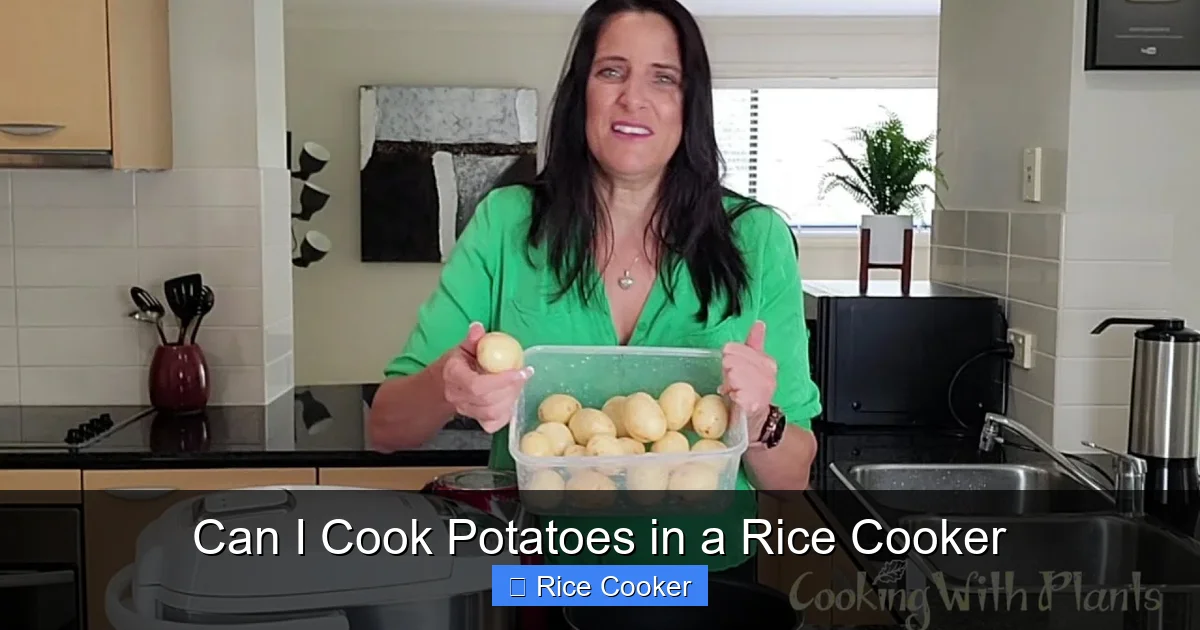
Cooking potatoes in a rice cooker is not only possible—it’s incredibly convenient. Whether you’re boiling small potatoes for salads or baking large ones for sides, your rice cooker can handle the job with minimal effort. With the right technique, you’ll get fluffy, evenly cooked potatoes every time, all while freeing up your stovetop or oven. You can also leave the rice cooker on warm for extended periods if needed.
Cooking potatoes in a rice cooker might sound surprising at first, but this humble kitchen appliance is far more versatile than most people realize. While it’s true that rice cookers were originally designed to cook grains, modern models—especially newer digital ones—are equipped with advanced features that make them ideal for preparing a wide range of foods, including root vegetables like potatoes. In fact, many home cooks have discovered that their rice cookers can save time, reduce cleanup, and produce consistently delicious results.
Whether you’re boiling baby potatoes for a salad, steaming red potatoes for a holiday dinner, or even baking a whole potato as a low-effort side dish, the rice cooker handles it all with ease. And the best part? You don’t need to babysit the process. Just add water, set the timer, and let the machine do its magic. In this comprehensive guide, we’ll walk through everything you need to know about cooking potatoes in a rice cooker—from choosing the right type of potato to mastering different cooking methods. By the end, you’ll be convinced that your rice cooker is the secret weapon you never knew you needed in the kitchen.
Key Takeaways
- Versatile Cooking Method: A rice cooker can boil, steam, or even bake potatoes, making it a flexible kitchen tool beyond just cooking rice.
- Time-Saving: Using a rice cooker eliminates the need to monitor a pot on the stove, allowing you to multitask while your meal cooks hands-free.
- Consistent Results: The automated temperature control ensures even cooking without risk of overcooking or burning.
- Energy Efficient: Rice cookers use less energy than ovens or stoves, making them an eco-friendly option for preparing side dishes. You can also learn about leaving the rice cooker on warm overnight.
- Perfect Texture: When done correctly, potatoes come out tender inside and slightly firm outside—ideal for mashing, roasting, or slicing.
- No Extra Equipment Needed: If you already own a rice cooker, you don’t need special gadgets like pressure cookers or slow cookers to make great potatoes.
- Great for Meal Prep: Cook a batch of potatoes ahead of time and store them for quick meals throughout the week.
📑 Table of Contents
- Why Use a Rice Cooker for Potatoes?
- Choosing the Right Potato for Your Rice Cooker
- How to Boil Potatoes in a Rice Cooker
- Steaming Potatoes in a Rice Cooker
- Baking Whole Potatoes in a Rice Cooker
- Tips for Perfect Rice Cooker Potatoes
- Common Mistakes to Avoid
- Beyond Basic Potatoes: Creative Uses for Your Rice Cooker
- Final Thoughts: Is It Worth It?
Why Use a Rice Cooker for Potatoes?
You might wonder why anyone would go to the trouble of using a rice cooker when boiling potatoes on the stove or baking them in the oven is so common. But there are several compelling reasons to consider this alternative method. First and foremost, convenience plays a big role. A rice cooker operates automatically—once you press “start,” it takes care of heating, timing, and sometimes even switching between cooking and warming modes. This means you can chop vegetables, set the table, or scroll through your phone while your potatoes cook.
Another advantage is consistency. Unlike stovetops, where heat can fluctuate and cause uneven cooking, rice cookers maintain a steady temperature. This leads to uniformly cooked potatoes, whether they’re small and quick-cooking or large and dense. Plus, because the cooking happens in a sealed environment, flavors stay contained, and nutrients aren’t lost to evaporation like they might be on an open flame.
From an energy standpoint, rice cookers are also efficient. They use less power than ovens and often consume less energy than keeping a pot of water simmering on the stove. For busy families or those looking to cut down on utility bills, this small change can add up over time.
Finally, using a rice cooker opens up space in your kitchen. If your oven is already full with roasted chicken or casseroles, or if your stovetop is crowded with other dishes, the rice cooker offers a welcome alternative. It’s especially useful during holidays or meal prep days when every bit of counter and appliance space counts.
Choosing the Right Potato for Your Rice Cooker
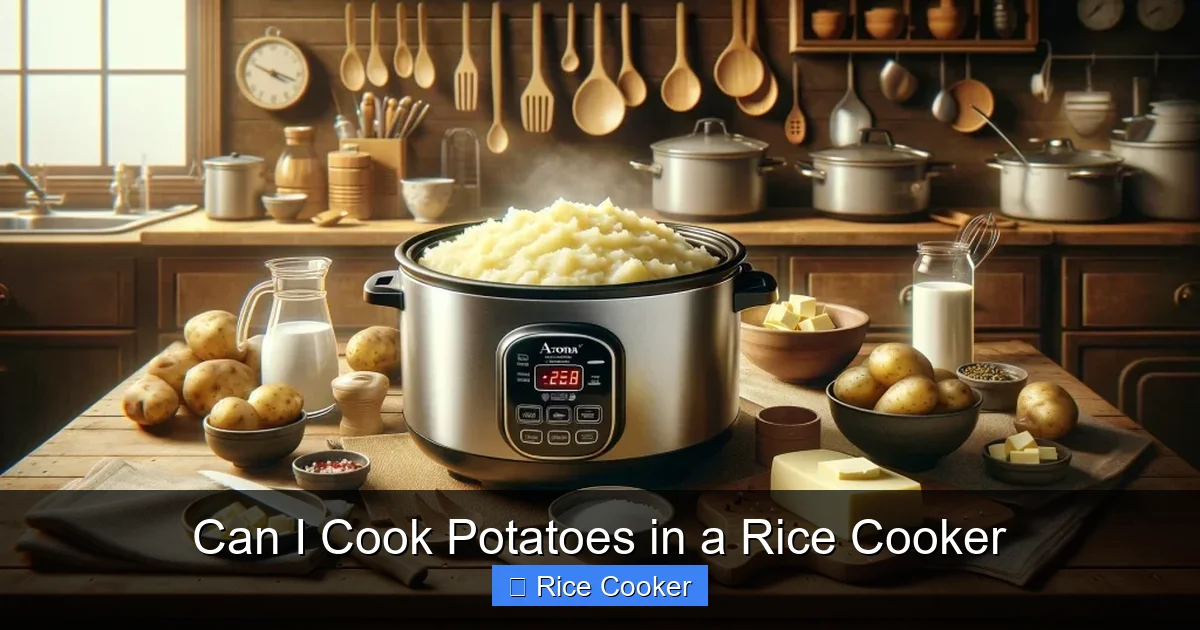
Visual guide about Can I Cook Potatoes in a Rice Cooker
Image source: expertreviewsbestricecooker.com
Not all potatoes are created equal—and when cooking in a rice cooker, selecting the right variety can make a noticeable difference in texture and outcome. Generally speaking, starchy potatoes like Russets work well because they absorb moisture easily and turn soft without falling apart. However, waxy varieties like Red Bliss or Yukon Golds also perform admirably, especially when you want them to retain some structure.
For boiling or steaming whole potatoes, choose ones that fit comfortably in your rice cooker’s inner pot—usually 6–8 inches in diameter. Smaller potatoes (like fingerlings or new potatoes) are ideal for quicker cooking times, while larger ones may require longer durations or pre-scrubbing to remove excess dirt.
Here’s a quick breakdown:
Best Potato Types for Rice Cooker Cooking
- Russet: Great for mashing or roasting; high starch content helps create creamy interiors.
- Yukon Gold: Slightly waxy but still softens beautifully; holds flavor well and develops a golden skin when baked.
- Red Potatoes: Retain shape better than Russets; perfect for salads or serving whole.
- Fingerling or Baby Potatoes: Cook quickly and evenly; ideal for hands-off preparation.
Avoid very thin-skinned or fragile potatoes unless you plan to peel them after cooking. Also, always wash potatoes thoroughly before use—even if you’re planning to peel them—to prevent dirt from getting into the rice cooker’s mechanism.
How to Boil Potatoes in a Rice Cooker
Boiling potatoes in a rice cooker is one of the simplest and most reliable methods. It mimics traditional boiling but with less supervision required. Here’s how to do it step by step:
Start by washing and drying your potatoes. Cut them into uniform sizes if they’re large—this ensures even cooking. Place the potatoes in the inner pot of the rice cooker. Add enough cold water to cover the potatoes by about 1–2 inches. Too little water risks scorching; too much extends cooking time unnecessarily.
Once the water is added, close the lid securely and select the “White Rice” or “Manual” setting. If your model has a “Steam” function, you can skip the water and steam them instead (more on that below). Set the timer based on size:
– Small potatoes (1–2 inches): 20–25 minutes
– Medium potatoes (2–3 inches): 25–30 minutes
– Large potatoes (over 3 inches): 30–40 minutes
After cooking, check for doneness by inserting a fork. If it slides in easily, your potatoes are ready. Let them cool slightly before peeling or slicing.
Pro tip: For extra flavor, add a pinch of salt to the water or toss the cooked potatoes with butter and herbs afterward.
Steaming Potatoes in a Rice Cooker
Steaming is another excellent way to cook potatoes in a rice cooker—especially if you prefer a lighter texture or want to preserve more nutrients. Unlike boiling, which submerges the potatoes, steaming uses vapor to cook them gently. Most modern rice cookers come with a built-in steamer basket, making this method straightforward.
Begin by scrubbing your potatoes and cutting them into even pieces. Place them in the steamer basket, ensuring there’s room for steam to circulate. Put the basket inside the inner pot and add just enough water to reach the bottom of the basket—not touching the potatoes directly.
Close the lid and select the “Steam” setting if available. If not, use the “Manual” mode and set it for 20–30 minutes, depending on size. Steam cooks faster than boiling, so keep an eye on early batches until you learn your machine’s performance.
Once steamed, test for tenderness. The potatoes should be soft but not mushy. Serve immediately or chill for salads. Steamed potatoes also reheat beautifully—just pop them back into the rice cooker on the “Warm” setting for up to 2 hours.
Baking Whole Potatoes in a Rice Cooker
Want to bake a whole potato without heating up your oven? Many rice cookers can actually mimic oven-like conditions thanks to their insulated design and ability to retain heat. This method works best with medium-sized Russet or Yukon Gold potatoes.
Start by poking holes in the potato skin with a fork or knife—this allows steam to escape and prevents bursting. Rub the skin with olive oil and sprinkle with salt, pepper, or garlic powder for flavor.
Place the potato directly into the inner pot (no water needed). Close the lid and select the “Bake” or “Manual” setting. Cooking time varies:
– Medium potato: 45–55 minutes
– Large potato: 55–70 minutes
The key is patience. Don’t open the lid frequently, as this lets heat escape. After cooking, carefully remove the potato using oven mitts—it will be hot! Let it rest for 5 minutes before slicing open and fluffing with butter, cheese, or sour cream.
Note: Not all rice cookers are rated for high-heat baking, so consult your manual. If yours isn’t suitable, try the “Keep Warm” function for up to 2 hours after initial cooking—though results may vary.
Tips for Perfect Rice Cooker Potatoes
Even with the right method, a few small adjustments can elevate your potato game. Here are expert tips to ensure success every time:
Use Fresh Potatoes When Possible
Older potatoes lose moisture and won’t soften as well. Choose firm, smooth-skinned spuds from the grocery store or farmer’s market.
Cut Evenly for Faster Cooking
Irregular pieces lead to some being overcooked while others remain underdone. Aim for uniform cubes or wedges.
Don’t Overfill the Pot
Leave at least 1 inch of space around each potato so steam or water can circulate freely.
Experiment with Seasonings
Add bay leaves, rosemary, or onion slices to the cooking liquid for infused flavors. Or toss cooked potatoes with herbs and olive oil before serving.
Store Leftovers Properly
Cool completely, then refrigerate in airtight containers for up to 4 days. Reheat gently in the rice cooker on “Warm” or microwave-safe containers.
Clean the Inner Pot Thoroughly
Starchy residue attracts pests and affects future recipes. Wash with warm, soapy water after each use.
By following these guidelines, you’ll transform your rice cooker into a multipurpose kitchen hero—capable of handling everything from breakfast hash browns to dinner-time roasted taters.
Common Mistakes to Avoid
Despite its simplicity, cooking potatoes in a rice cooker isn’t foolproof. Watch out for these pitfalls:
Using Too Much Water
Excess water prolongs cooking time and dilutes flavor. Stick to covering the potatoes by 1–2 inches.
Skipping Uniform Sizing
Smaller pieces cook faster, leading to uneven results. Cut large potatoes into quarters or halves.
Opening the Lid Too Often
Heat loss slows cooking and can affect texture. Only open when necessary—and close immediately.
Ignoring Manufacturer Guidelines
Some older or budget models lack sufficient insulation or power for baking. Always check your user manual before attempting non-rice recipes.
Not Testing for Doneness
Relying solely on time estimates can result in undercooked or mushy potatoes. Always verify with a fork or knife.
Avoiding these mistakes will help you achieve restaurant-quality potatoes using everyday tools.
Beyond Basic Potatoes: Creative Uses for Your Rice Cooker
Once you’ve mastered plain boiled or baked potatoes, consider branching out. Your rice cooker can prepare:
- Mashed Potatoes: Boil until tender, drain, then mash with butter, milk, and salt. Return to the pot on “Warm” to keep creamy.
- Potato Wedges: Slice Russets into wedges, toss with oil and spices, and cook covered for 25–30 minutes.
- Loaded Baked Potatoes: Bake whole, then top with cheese, bacon bits, green onions, and sour cream.
- Potato Soup Base: Simmer diced potatoes with broth and onions for a hearty starter.
These variations show how adaptable the rice cooker truly is—turning a simple vegetable into gourmet fare with minimal effort. You can also experiment with making Arborio rice in a rice cooker for a creamy risotto.
Final Thoughts: Is It Worth It?
So, can you cook potatoes in a rice cooker? Absolutely. Is it worth changing your routine? For many, the answer is yes—especially if you value convenience, consistency, and kitchen flexibility. While traditional methods aren’t obsolete, adding a rice cooker to your arsenal gives you an extra option for busy nights, small kitchens, or when you simply want to free up other appliances.
With just a few simple steps, you can enjoy perfectly cooked potatoes any day of the week. Whether you’re boiling them for a Cobb salad, steaming them for a healthy side, or baking them as a comforting snack, your rice cooker delivers reliable results without the hassle. So next time you reach for the kettle or preheat the oven, remember: your rice cooker might just be the smarter choice.
Frequently Asked Questions
Can I cook sweet potatoes in a rice cooker?
Yes, sweet potatoes work wonderfully in a rice cooker. They take slightly longer than regular potatoes—about 35–45 minutes for medium-sized ones—but yield tender, flavorful results. Try them baked with cinnamon or mashed with coconut milk for a twist.
Do I need to peel potatoes before cooking them in a rice cooker?
Not necessarily. Many people leave the skin on for added texture and nutrition, especially with red or Yukon Gold potatoes. Simply scrub well and poke holes if baking. Peeling is easiest after cooking, when the skins slip off easily.
What if my rice cooker doesn’t have a “Steam” button?
You can still steam potatoes by using the “Manual” or “White Rice” setting with a small amount of water and a perforated steamer basket. Alternatively, cover the inner pot tightly with foil to trap steam.
Can I cook multiple types of potatoes together?
It’s best to group potatoes by size and type since they cook at different rates. Mixing very small baby potatoes with large Russets may result in uneven doneness. Stick to similar varieties for consistent outcomes.
How long do cooked potatoes last in the refrigerator?
Properly stored cooked potatoes last 3–4 days in an airtight container in the fridge. Reheat gently in the rice cooker on “Warm” or microwave until heated through. Discard if you notice any off smells or sliminess.
Is it safe to bake potatoes in any rice cooker model?
Most modern rice cookers can handle low-heat baking, but older or basic models may not distribute heat evenly or safely. Check your user manual for temperature limits. If unsure, opt for boiling or steaming instead.