
Can you cook rice ahead of time and reheat it? Absolutely—but doing it the right way matters. Properly stored cooked rice can stay fresh for up to 4–6 days in the fridge, and when reheated correctly, it regains its texture and flavor. Whether you’re meal prepping or saving leftovers, mastering this technique saves time and reduces food waste.
Have you ever come home after a busy day, opened your fridge, and stared blankly at a container of yesterday’s rice? You’re not alone. Life gets hectic—between work, errands, and family responsibilities—and sometimes the idea of cooking from scratch feels impossible. But what if I told you that yes, you *can* cook rice ahead of time and still enjoy it later? In fact, with a little know-how, reheating leftover rice can be just as satisfying as freshly made rice. Whether you’re meal prepping for the week or simply want to avoid daily cooking, understanding how to store and reheat rice properly is a game-changer.
Cooking rice in advance isn’t just convenient—it’s smart. It cuts down on kitchen time, reduces food waste, and helps you stick to a healthier diet by avoiding last-minute takeout. Plus, modern rice cookers make the entire process seamless. From cooking to storing to reheating, these handy appliances simplify everything. But here’s the catch: not all rice is created equal when it comes to reheating, and improper handling can lead to soggy, bland, or even unsafe meals. So let’s dive into everything you need to know about cooking rice ahead of time and bringing it back to life.
Key Takeaways
- Safe Storage: Cooked rice should be cooled quickly and stored in airtight containers within two hours to prevent bacterial growth.
- Reheating Methods: Use a rice cooker, microwave, or stovetop to restore moisture and fluffiness without drying out your rice.
- Flavor Boosting: Add a splash of water or broth during reheating to revive dryness and enhance taste.
- Freezing Option: Frozen rice lasts up to 1 month; thaw overnight in the fridge before reheating for best results.
- Avoid Common Mistakes: Don’t leave rice at room temperature too long, and avoid overcooking when reheating.
- Types of Rice Matter: Long-grain white rice holds up well for reheating, while sticky or sushi rice may become mushy if not handled carefully.
- Meal Prep Friendly: Cooking large batches ahead makes healthy eating easier throughout the week.
📑 Table of Contents
- Cooking Rice Ahead of Time: The Basics
- How to Reheat Rice Without Making It Soggy
- Storing Cooked Rice Safely
- Flavoring Reheated Rice
- Meal Prep Ideas Using Pre-Cooked Rice
- Common Mistakes to Avoid
- Conclusion: Yes, You Can Cook Rice Ahead—And Enjoy It!
Cooking Rice Ahead of Time: The Basics
Before we jump into reheating techniques, let’s talk about the foundation: cooking rice properly in the first place. When you plan to reuse your rice later, how you cook it today makes a big difference tomorrow. Most people assume that any old method will do, but precision pays off.
Start by choosing the right type of rice. For meal prep and reheating, long-grain white rice (like jasmine or basmati) works best because it holds its shape and doesn’t clump together when cooled or reheated. Short-grain rice, often used in sushi or risotto, tends to get mushier upon reheating due to higher starch content. If you love sticky rice, go for it—just be extra careful with moisture levels during reheating.
Next, use the correct water-to-rice ratio. A standard rule is 1 cup of uncooked rice to 1.5 cups of water for long-grain varieties. Too much water leads to sogginess; too little results in undercooked grains. Your rice cooker usually has preset modes that handle this automatically, which is why they’re so reliable.
After cooking, don’t just dump hot rice into the fridge immediately. Let it cool naturally for about 10–15 minutes. This prevents condensation inside the storage container, which can make rice slimy. Once slightly warm (not hot), transfer it to an airtight container or resealable bag. Label it with the date—this helps you keep track of freshness.
Now that your rice is safely stored, let’s explore how to bring it back to life.
How to Reheat Rice Without Making It Soggy
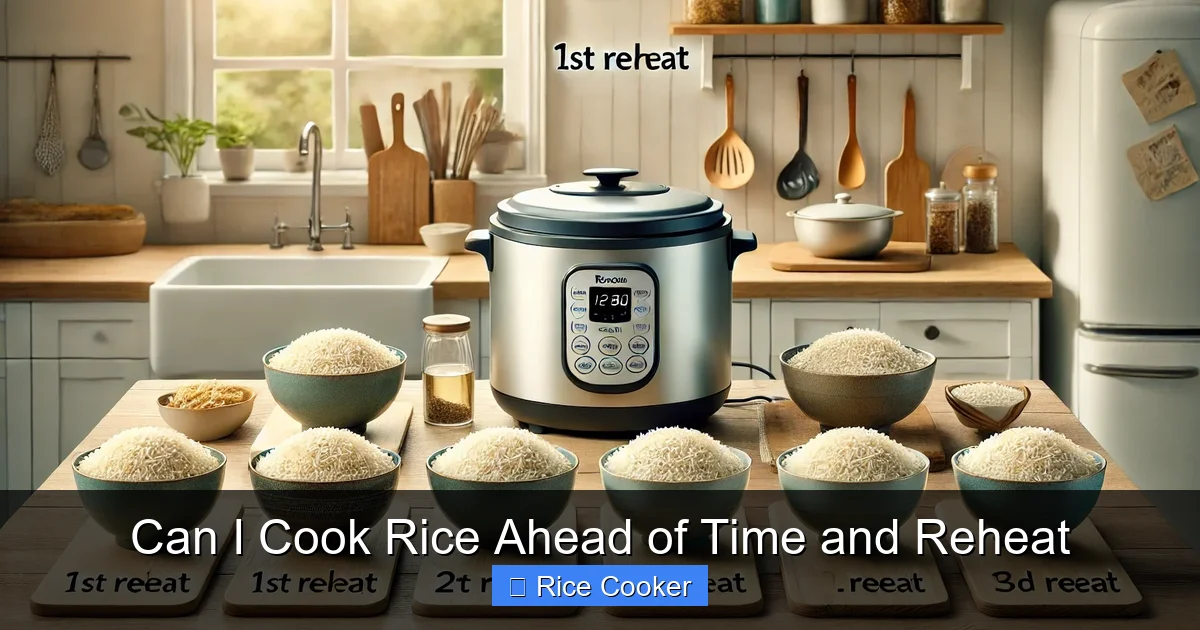
Visual guide about Can I Cook Rice Ahead of Time and Reheat
Image source: expertreviewsbestricecooker.com
One of the biggest fears when reheating rice is ending up with a bowl full of glue-like clumps or dry, crumbly grains. Neither outcome is appetizing. Fortunately, there are tried-and-true methods to fix both issues—depending on your kitchen setup and time constraints.
Using a Rice Cooker (Best Method)
If you have a rice cooker, you’re in luck—it’s actually one of the best tools for reheating. Here’s why: rice cookers maintain consistent low heat, which gently warms the rice without scorching or drying it out. Plus, many models have a “warm” function that keeps rice at serving temperature for hours.
To reheat rice in your rice cooker:
– Place the rice in the inner pot.
– Sprinkle 1–2 tablespoons of water per cup of rice over the surface.
– Close the lid and turn it on. If your cooker has a “reheat” or “warm” setting, use that. Otherwise, press “cook” briefly—just until steam appears and the rice feels warm throughout.
– Stir gently once halfway through to distribute heat evenly.
This method restores moisture and fluffiness almost instantly. It’s especially great for large batches.
Microwave Technique (Fast & Easy)
For quick reheating, the microwave is hard to beat. But timing and technique are key. Dry microwaved rice turns rock-hard; wet rice becomes soup.
Here’s the trick: add moisture, cover, and stir frequently.
– Transfer rice to a microwave-safe dish.
– Drizzle 1 tablespoon of water per cup of rice.
– Cover loosely with a damp paper towel or microwave-safe lid—this traps steam and prevents drying.
– Microwave on medium power (50%) for 1 minute, then stir. Repeat in 30-second intervals until heated through.
Stirring redistributes moisture and ensures even warming. Avoid high power—it cooks the outside before the inside.
Stovetop Reheating (Best for Control)
If you prefer a stove, use low heat and constant attention. This method gives you the most control over texture.
– Heat a nonstick skillet over low heat.
– Add a small amount of oil or butter to prevent sticking.
– Spread rice in a thin layer and let it warm gradually, stirring every 2–3 minutes.
– As needed, add a teaspoon of water or broth to revive dryness.
This method works well for smaller portions or when you want to infuse extra flavor (e.g., garlic, soy sauce, or herbs).
Storing Cooked Rice Safely
Food safety is non-negotiable when dealing with cooked rice. Unlike other foods, rice contains spores of *Bacillus cereus*, a bacteria that produces heat-resistant toxins. These toxins survive normal cooking temperatures and can cause food poisoning if rice is left sitting at room temperature for too long.
The golden rule: cool and refrigerate within two hours.
Once cooked, spread rice thinly in shallow containers so it cools quickly. Never pile hot rice into a thick block—it creates a breeding ground for bacteria. After refrigeration, use rice within 4–6 days. Freezing extends shelf life to up to one month, though texture may change slightly.
When freezing, portion rice into freezer bags or containers. Remove as much air as possible to prevent freezer burn. Thaw frozen rice in the refrigerator overnight before reheating—never at room temperature.
Flavoring Reheated Rice
Plain reheated rice tastes fine—but it doesn’t wow anyone. The good news? You can easily elevate it with simple additions during or after reheating.
Try mixing in:
– A pat of butter or olive oil for richness
– Fresh herbs like parsley, cilantro, or chives
– Soy sauce, teriyaki glaze, or sesame oil for Asian-inspired dishes
– Grated cheese or sautéed vegetables
For example, reheat your rice with a drizzle of soy sauce and a sprinkle of green onions, then fold in scrambled eggs for a tasty fried rice version. Or toss with roasted broccoli and a dash of garlic powder for a savory side dish.
These small touches transform basic leftover rice into something special—without extra cooking time.
Meal Prep Ideas Using Pre-Cooked Rice
Pre-cooked rice is a pantry superhero. It forms the base for countless meals:
– Breakfast Bowls: Warm rice topped with poached egg, avocado, and sriracha.
– Lunch Wraps: Mix rice with black beans, corn, and lettuce in whole-wheat tortillas.
– Dinner Platters: Serve with grilled chicken, steamed veggies, and a lemon-dill sauce.
– Sushi Rolls: Use cooled sushi rice (made with vinegar) for homemade rolls.
– Snack Bites: Roll rice balls in nori or crushed nuts for portable energy bites.
By cooking rice in bulk once or twice a week, you create a versatile ingredient that fits into any meal plan. Just remember to rotate your stock regularly—fresh rice tastes better!
Common Mistakes to Avoid
Even experienced cooks make these errors. Steer clear of them to ensure success every time.
– Leaving Rice Out Too Long: Bacteria multiply rapidly between 40°F and 140°F. Always refrigerate within two hours.
– Overwatering During Reheating: Start with small amounts of liquid—you can always add more, but too much ruins texture.
– Skipping Stirring: Uneven heating causes some grains to dry out while others stay cold.
– Using Old Rice Beyond Safe Limits: Trust your senses—if it smells off or looks discolored, toss it.
– Refreezing Thawed Rice: Only freeze once, and only if stored properly initially.
By avoiding these pitfalls, you’ll enjoy safe, delicious rice every time.
Conclusion: Yes, You Can Cook Rice Ahead—And Enjoy It!
So, can you cook rice ahead of time and reheat it? The answer is a confident yes—with the right techniques, tools, and mindset. Modern rice cookers make the process effortless, while smart storage and gentle reheating preserve quality and safety. Whether you’re building a weekly meal plan or salvaging dinner leftovers, pre-cooked rice is a flexible, nutritious ally in your kitchen.
Remember: cooling promptly, using airtight containers, and adding just enough moisture when reheating are your secret weapons. Experiment with flavors, embrace batch cooking, and watch how much easier—and tastier—life becomes.
With this guide, you’ve got everything you need to master rice prep and reheating like a pro. Next time you cook rice, think ahead. Your future self will thank you.
Frequently Asked Questions
Is it safe to reheat rice multiple times?
Yes, but only if each time follows proper reheating guidelines. Ensure rice cools and stores safely between uses. However, limit reheating to two cycles max to maintain texture and nutrient quality.
Can I reheat frozen rice directly from the freezer?
No, never reheat frozen rice at room temperature or in the microwave without thawing. Always thaw it overnight in the refrigerator first to prevent bacterial growth and uneven heating.
Why does my reheated rice taste bland?
Bland rice usually lacks seasoning or moisture. Add a splash of broth, soy sauce, or oil during reheating, and consider mixing in herbs or spices to boost flavor.
Does brown rice reheat differently than white rice?
Brown rice has more fiber and oil, so it can become harder faster when reheated. Add extra liquid and use low heat to keep it tender. It also takes longer to cook initially, so adjust ratios accordingly.
How long can cooked rice sit out before it goes bad?
Cooked rice should not sit at room temperature for more than two hours. Beyond that, the risk of *Bacillus cereus* toxin formation increases significantly.
Can I reheat rice in aluminum foil?
Yes, but only briefly and with caution. Aluminum can react with acidic foods over time. For short-term reheating in the microwave or oven, it’s okay—just avoid prolonged storage wrapped in foil.