
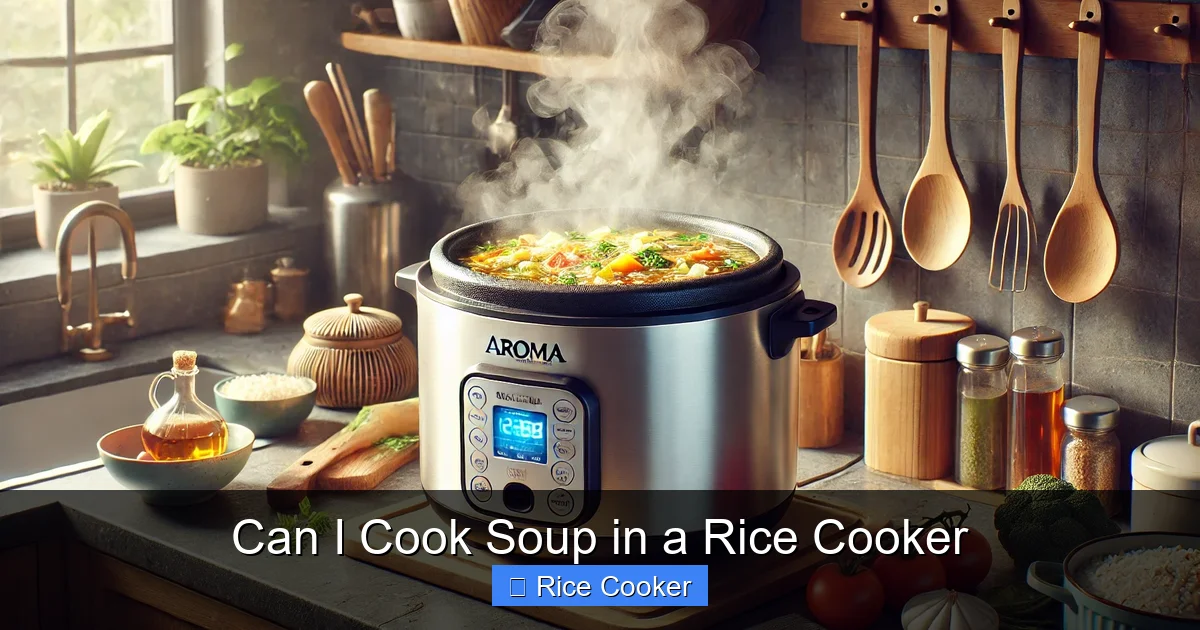
Yes, you absolutely can cook soup in a rice cooker—and it’s easier than you think. Whether you’re making a hearty stew or a light broth, your rice cooker can do the job with minimal effort. With the right ingredients and technique, you’ll enjoy restaurant-quality soups without extra cleanup.
Key Takeaways
- Rice cookers are versatile: Beyond rice, they can cook soups, stews, porridge, and even steam vegetables.
- No constant stirring needed: The sealed lid and automated cooking cycle keep food safe while reducing hands-on work.
- Energy efficient: Rice cookers use less power than stovetop pots and maintain steady heat for even cooking.
- Great for batch cooking: Perfect for meal prep or freezing leftovers for busy days.
- Safety first: Always follow manufacturer guidelines and avoid overfilling to prevent overflow.
- Enhance flavor: Use slow-cooked techniques and aromatic ingredients like onions, garlic, and herbs.
- Cleanup is simple: Most parts are dishwasher-safe, making post-meal cleaning a breeze.
📑 Table of Contents
- Can I Cook Soup in a Rice Cooker?
- The Surprising Versatility of Rice Cookers
- Is It Safe to Cook Soup in a Rice Cooker?
- Basic Tips for Cooking Soup in a Rice Cooker
- Delicious Rice Cooker Soup Recipes
- Common Mistakes to Avoid
- Cleaning and Maintenance Tips
- Frequently Asked Questions
- Final Thoughts
Can I Cook Soup in a Rice Cooker?
If you’ve ever found yourself staring at a pot of boiling water on the stove, wondering if there’s an easier way to make a warm, comforting bowl of soup, you’re not alone. Enter the humble rice cooker—a kitchen appliance that most people associate only with fluffy white rice. But what many don’t realize is that this little machine is far more versatile than meets the eye. One of the most surprising and useful tricks? Cooking soup in a rice cooker.
Whether you’re dealing with a busy schedule, limited kitchen space, or just want to simplify your cooking routine, using a rice cooker for soup is a game-changer. It eliminates the need for constant attention, reduces the risk of burning or sticking, and delivers consistently tender ingredients every time. Plus, the sealed environment helps lock in flavors and nutrients. In this article, we’ll walk you through everything you need to know about cooking soup in a rice cooker—from basic techniques to creative recipes and safety tips. Let’s get started!
The Surprising Versatility of Rice Cookers
You might be thinking, “But isn’t a rice cooker just for rice?” And yes—rice is its original purpose. But modern rice cookers, especially those with advanced features like fuzzy logic or multiple cooking modes, are essentially smart pressure cookers in disguise. They regulate temperature precisely, maintain consistent heat, and often include settings for porridge, steaming, and even baking.
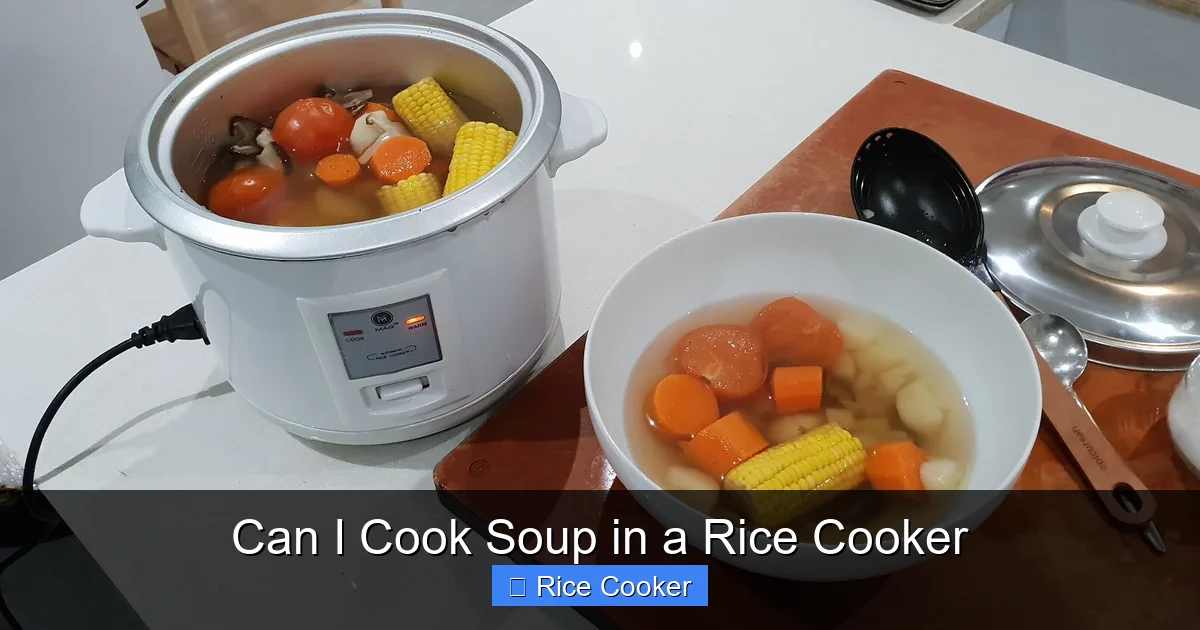
Visual guide about Can I Cook Soup in a Rice Cooker
Image source: storables.com
Beyond Basmati: What Else Can a Rice Cooker Do?
While rice remains the star of the show, many models handle a wide range of tasks. Some can:
- Cook oatmeal or gruel (like congee)
- Steam vegetables or dumplings
- Bake cakes or custards
- Keep food warm for hours
- Cook soup and stews
This flexibility makes rice cookers ideal for small kitchens, dorm rooms, or anyone looking to minimize their cooking time. And when it comes to soups, the rice cooker shines because it mimics the gentle, even heat of a slow cooker—without the bulk.
You can also use it to hard boil eggs, making it a versatile tool for breakfast.
How Does It Work?
A rice cooker uses an internal sensor to detect when the liquid has been absorbed and the grains are cooked. For soup, this means the appliance will maintain a steady simmer until the desired consistency is reached. Once done, it automatically shifts to “warm” mode, keeping your soup hot without boiling over. This hands-off approach is perfect for soups that require long, slow cooking—like lentil soup, tomato basil broth, or chicken noodle stew.
Is It Safe to Cook Soup in a Rice Cooker?
Many people hesitate to use their rice cooker for soup because they worry about clogging the vent, overflowing, or damaging the unit. But with proper preparation, cooking soup in a rice cooker is not only safe—it’s actually safer than using a stovetop in some ways. Here’s why:
1. No Risk of Boiling Over (Usually)
Unlike pots on the stove, rice cookers have a sealed lid and a controlled heating system. As long as you don’t exceed the maximum fill line (usually marked on the inner pot), your soup won’t boil over. The thermostat cuts off heat once the liquid evaporates or is absorbed, preventing scorching.
2. Prevents Burning
Stovetop soups often stick or burn at the bottom, especially if you forget to stir. A rice cooker circulates heat evenly and doesn’t require constant monitoring, so your soup stays smooth and rich.
3. Built-In Safety Features
Most rice cookers include:
– Auto shut-off
– Thermal fuses
– Non-stick inner pots
These features reduce the chance of accidents and extend the life of your appliance.
When Not to Use Your Rice Cooker for Soup
There are a few exceptions. Avoid using a rice cooker for:
– Very thick soups with lots of starch (e.g., chili with beans)—they may clog the steam vent.
– Recipes requiring frequent stirring or skimming.
– Foods with high oil content—oil can interfere with the thermostat.
Always check your manual for model-specific warnings.
Basic Tips for Cooking Soup in a Rice Cooker
Ready to give it a try? Follow these simple steps to make soup in your rice cooker like a pro.
Step 1: Choose the Right Ingredients
Not all ingredients work equally well. Stick to:
– Tender vegetables (carrots, potatoes, zucchini)
– Lean proteins (chicken breast, tofu, shrimp)
– Grains (rice, quinoa, barley)—but add them early
– Legumes (lentils, chickpeas)—soak dried ones first
Avoid fibrous greens like spinach or kale until the end, as they can cloud the soup.
Step 2: Use the Correct Liquid Ratio
For most soups, aim for a 1:3 ratio of solids to liquids. For example, if you’re adding 2 cups of chopped veggies, use about 6 cups of broth or water. Too little liquid = dry, undercooked food. Too much = thin soup.
Step 3: Chop Uniformly
Cut ingredients into similar-sized pieces so they cook evenly. Smaller pieces cook faster; larger ones may stay crunchy.
Step 4: Add Salt at the End
Adding salt too early can toughen proteins and draw out moisture from vegetables. Wait until the last 5–10 minutes of cooking.
Step 5: Don’t Overfill
Never fill your rice cooker beyond two-thirds full. Leave room for expansion. If your soup seems too thick after cooking, add more liquid during the warming phase.
Step 6: Stir Gently Before Serving
After the cycle ends, give your soup a quick stir to redistribute flavors and textures. Then serve!
Delicious Rice Cooker Soup Recipes
Now that you know the basics, let’s dive into some tasty recipes you can try today.
Classic Chicken Noodle Soup
Makes 4 servings | Prep time: 10 mins | Cook time: 45 mins
- 1 tbsp olive oil
- 1 onion, diced
- 2 carrots, sliced
- 2 celery stalks, chopped
- 2 garlic cloves, minced
- 1 lb boneless chicken breast, cubed
- 6 cups chicken broth
- 1 cup egg noodles
- Salt and pepper to taste
- Fresh parsley, chopped (optional)
In your rice cooker, sauté the onion, carrot, and celery in oil for 3–5 minutes on the “saute” function. Add garlic and chicken, then pour in the broth. Close the lid, select “soup” or “manual” mode (or set timer for 30 minutes). After 20 minutes, add noodles and cook for another 10–15 minutes. Season at the end and garnish with parsley.
Vegetable Lentil Soup
Vegan | Gluten-free | Makes 6 servings
- 1 tbsp coconut oil
- 1 onion, chopped
- 2 cloves garlic, minced
- 2 cups green lentils, rinsed
- 4 cups vegetable broth
- 1 can diced tomatoes
- 1 tsp cumin
- 1 bay leaf
- Salt and black pepper
Heat oil in rice cooker, add onion and garlic, cook for 3 minutes. Stir in lentils, broth, tomatoes, spices, and bay leaf. Cover and cook on high for 35–40 minutes. Remove bay leaf before serving. Serve with crusty bread.
Tomato Basil Soup
Rich and creamy | Dairy-free option available
- 1 tbsp olive oil
- 1 onion, chopped
- 2 cans crushed tomatoes
- 4 cups vegetable or chicken broth
- 1 cup coconut milk (or cream)
- 2 tbsp tomato paste
- 1 tsp sugar
- ½ cup fresh basil, chopped
- Salt and pepper
Sauté onion in oil until soft. Add remaining ingredients except basil and coconut milk. Cook on high for 30 minutes. Stir in coconut milk and basil in the last 5 minutes. Blend half the soup for a smoother texture if desired.
Congee (Rice Porridge)
Comforting Asian-style porridge
- 1 cup jasmine or white rice
- 8 cups water or broth
- Pinch of salt
- Optional toppings: fried shallots, scallions, boiled egg, soy sauce
Rinse rice, add to rice cooker with liquid and salt. Select “porridge” or “slow cook” setting. Cook for 1 hour on low. Stir occasionally if possible. Top with your favorite garnishes before eating.
Common Mistakes to Avoid
Even experienced cooks make errors when adapting recipes for their rice cooker. Here are the most common pitfalls—and how to fix them.
Mistake #1: Using Too Much Liquid
Some assume “more liquid = better soup.” But excess water can dilute flavor and delay cooking. Stick to the recommended ratios and adjust only if needed after tasting.
Mistake #2: Adding Everything at Once
Tough ingredients like bones or root vegetables should go in first. Delicate items like spinach or cream should be added near the end to preserve texture and nutrition.
Mistake #3: Ignoring the Warm Setting
Once your soup is done, leave it in the cooker on “warm” for up to 2 hours. This keeps it at a safe temperature without overcooking. Don’t leave it longer—food safety matters!
Mistake #4: Not Cleaning the Inner Pot
Soup residue can harden and damage the non-stick coating if left unwashed. Clean immediately with warm, soapy water or place in the dishwasher (if labeled safe).
Cleaning and Maintenance Tips
Keeping your rice cooker in top shape ensures it lasts for years—even when used for soup.
Daily Care
- Unplug before cleaning.
- Let the inner pot cool completely before washing.
- Use mild soap and a soft sponge—avoid abrasive scrubbers.
- Dry thoroughly before reassembling.
Deep Cleaning
Every few weeks, descale your rice cooker if you notice mineral buildup (common with hard water). Mix equal parts water and white vinegar, run a cycle, then rinse twice with clean water.
Storage
Store the inner pot separately to prevent warping. Keep the lid and measuring cup dry to avoid mold.
Frequently Asked Questions
Can I cook frozen meat directly in my rice cooker?
Yes, but it will take longer to cook. For best results, thaw meat slightly or add it earlier in the process. Avoid overcrowding—cook in batches if needed.
Can I use a rice cooker for baby food purees?
Absolutely! Cook soft fruits or veggies (like sweet potato or banana) with a bit of water until very tender, then blend or mash. Let cool before serving.
What if my rice cooker doesn’t have a “soup” setting?
No problem! Use the standard “white rice” or “manual” setting. Just monitor the liquid level and cooking time. Most soups take 30–60 minutes depending on ingredients.
Can I layer ingredients like a lasagna?
Not recommended. Layering can block airflow and lead to uneven cooking. Instead, chop everything small and mix well before cooking.
Will my soup get mushy?
It depends on the ingredients. Dense veggies like carrots hold up fine, but delicate greens should be added toward the end. Also, avoid overcooking by checking at the halfway point.
Can I reheat leftover soup in the rice cooker?
Yes! Add cold soup to the inner pot, cover, and select “warm” or “manual” mode. Heat gently for 20–30 minutes, stirring occasionally.
Final Thoughts
Cooking soup in a rice cooker isn’t just possible—it’s practical, delicious, and surprisingly easy. This unassuming kitchen gadget proves itself time and again as a multitasking hero. From beginner-friendly broths to gourmet-inspired stews, the possibilities are endless.
Whether you’re whipping up a weeknight dinner or prepping meals for the freezer, your rice cooker can save you time, energy, and stress. And the best part? Minimal cleanup and maximum comfort in every spoonful.
So next time you’re craving something warm and nourishing, skip the stove. Open your rice cooker, gather your ingredients, and let science do the rest. You might just discover your new favorite way to make soup.
Frequently Asked Questions
Can I cook frozen meat directly in my rice cooker?
Yes, but it will take longer to cook. For best results, thaw meat slightly or add it earlier in the process. Avoid overcrowding—cook in batches if needed.
Can I use a rice cooker for baby food purees?
Absolutely! Cook soft fruits or veggies (like sweet potato or banana) with a bit of water until very tender, then blend or mash. Let cool before serving.
What if my rice cooker doesn’t have a “soup” setting?
No problem! Use the standard “white rice” or “manual” setting. Just monitor the liquid level and cooking time. Most soups take 30–60 minutes depending on ingredients.
Can I layer ingredients like a lasagna?
Not recommended. Layering can block airflow and lead to uneven cooking. Instead, chop everything small and mix well before cooking.
Will my soup get mushy?
It depends on the ingredients. Dense veggies like carrots hold up fine, but delicate greens should be added toward the end. Also, avoid overcooking by checking at the halfway point.
Can I reheat leftover soup in the rice cooker?
Yes! Add cold soup to the inner pot, cover, and select “warm” or “manual” mode. Heat gently for 20–30 minutes, stirring occasionally.