
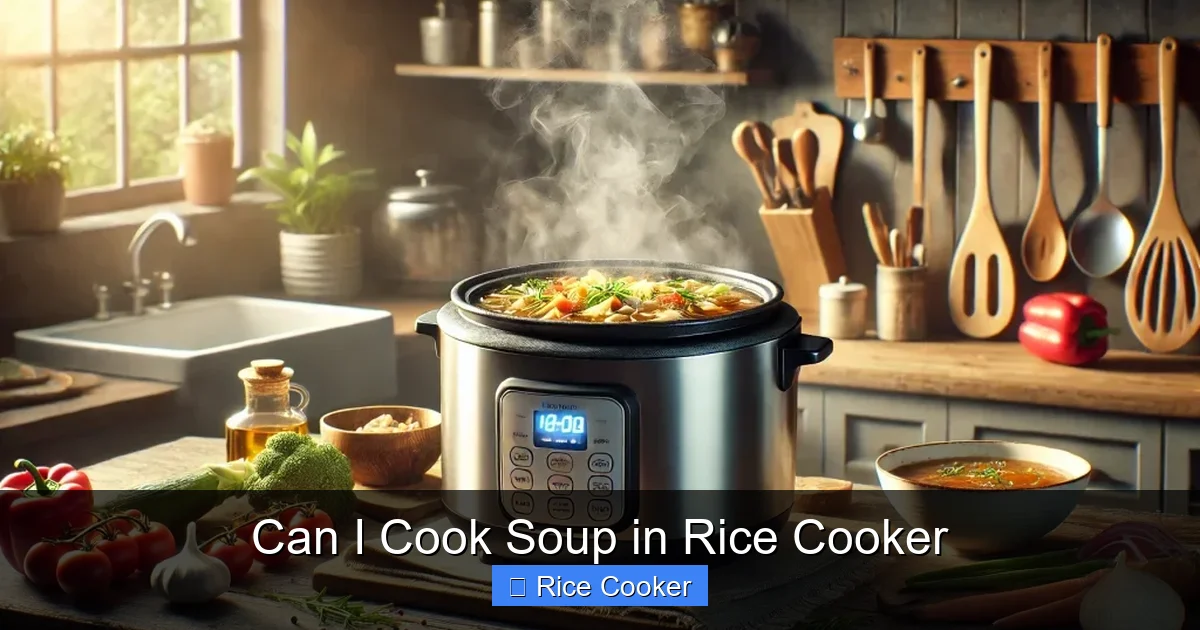
You absolutely can cook soup in a rice cooker—it’s simple, efficient, and surprisingly effective. With the right ingredients and timing, your rice cooker becomes a versatile kitchen tool for everything from creamy broths to hearty stews. Whether you’re meal prepping or craving comfort food, this method saves time and delivers consistent results every time.
Key Takeaways
- Soup is possible: Most rice cookers have a soup or porridge setting that makes cooking broth-based dishes easy and hands-off.
- No special tools needed: You don’t need a separate pot—just use the inner pot of your rice cooker with a lid or vented cover.
- Cooking times vary: Light broths may take 20–30 minutes, while thicker soups like lentil or bean varieties might need 45–60 minutes.
- Ingredient prep matters: Chop vegetables evenly, use softened beans or pre-soaked lentils, and add delicate herbs at the end to preserve flavor.
- Season wisely: Add salt toward the end of cooking to prevent toughening proteins and enhance overall taste.
- Cleanup is simple: The non-stick inner pot makes pouring out soup easy, and most parts are dishwasher-safe.
- Experiment freely: From Asian-inspired miso soup to American-style chicken noodle, your rice cooker adapts to countless recipes.
📑 Table of Contents
- Can I Cook Soup in Rice Cooker?
- Understanding Your Rice Cooker: Is It Built for Soup?
- Choosing the Right Ingredients for Rice Cooker Soup
- Step-by-Step Guide: How to Make Soup in a Rice Cooker
- Tips for Perfect Rice Cooker Soups
- Creative Soup Ideas for Your Rice Cooker
- Safety and Maintenance Considerations
- Conclusion: Why Every Kitchen Needs This Hack
Can I Cook Soup in Rice Cooker?
If you’ve ever wondered whether your trusty rice cooker can do more than just turn grains into fluffy perfection, the answer is a resounding yes—especially when it comes to making soup. While rice cookers were originally designed for steaming rice, modern models come equipped with multiple settings like “soup,” “porridge,” or “steam,” which open up a whole new world of culinary possibilities. Cooking soup in a rice cooker isn’t just possible; it’s convenient, energy-efficient, and often yields richer flavors due to the sealed environment and controlled heat.
Imagine coming home after a long day, tossing some chopped veggies, protein, and broth into your rice cooker, pressing one button, and returning hours later to a warm, nourishing bowl of soup. No constant stirring. No risk of burning at the bottom. Just pure, automated comfort. Whether you’re a beginner cook or a seasoned home chef looking to simplify mealtime, learning how to make soup in a rice cooker can transform your daily routine. In this guide, we’ll walk through everything you need to know—from understanding your appliance to choosing the best recipes and troubleshooting common issues.
Understanding Your Rice Cooker: Is It Built for Soup?
Do All Rice Cookers Make Soup?
Not every rice cooker is created equal, but the good news is that nearly all standard rice cookers can handle basic soup-making tasks—even if they lack a dedicated “soup” setting. The key difference lies in functionality. High-end models often include specialized modes such as soup, slow cook, or even steam, which help regulate temperature and cooking time more precisely. However, even older or simpler rice cookers can be used for soup by mimicking these functions manually.
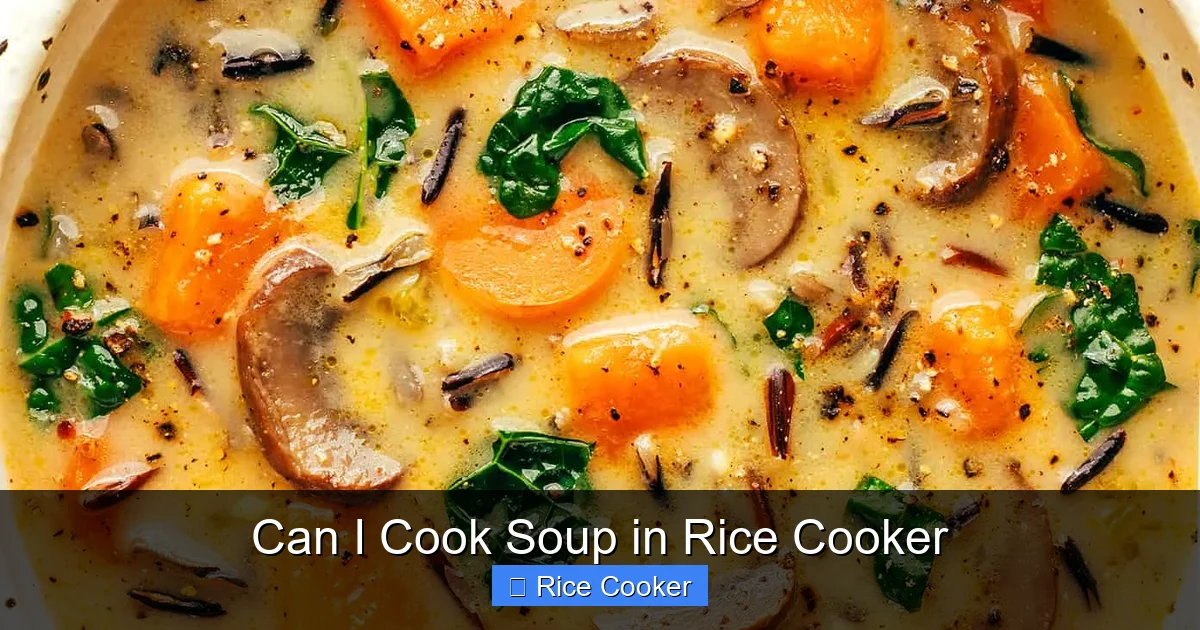
Visual guide about Can I Cook Soup in Rice Cooker
Image source: gimmesomeoven.com
For instance, many rice cookers default to a “warm” mode once cooking completes, which helps keep soup hot without overcooking. Some also feature a “keep warm” function that maintains optimal serving temperature for several hours—ideal for meal prep or unexpected guests. Always consult your user manual to confirm available settings, but rest assured: unless your model is strictly limited to white or brown rice only, you’re likely in business.
How Does a Rice Cooker Cook Soup?
The magic behind rice cooker soup lies in its heating mechanism. Most rice cookers use an internal thermostat and a heating plate beneath the inner pot to regulate temperature. When water or liquid boils, the sensor detects the change and cycles off the heat to maintain a simmer—similar to how pressure cookers operate. This means your soup won’t scorch or boil away completely, even on high settings.
Because the inner pot is typically made of non-stick aluminum or stainless steel and sits directly on the heating element, heat distribution is fairly even. This prevents hot spots that could cause uneven cooking or sticking. Additionally, since the pot retains heat well, ingredients continue to cook gently after the cycle ends, allowing flavors to meld beautifully—a process chefs call “caramelization” or “maillard reaction,” depending on the dish.
Choosing the Right Ingredients for Rice Cooker Soup
What Types of Soup Work Best?
Not all soups are equally suited for rice cookers, but the following categories tend to shine:
- Broth-based soups: Think chicken noodle, vegetable medley, or miso soup—these rely on liquid and gentle simmering, perfect for rice cooker mechanics.
- Lentil and bean soups: These require longer cooking times anyway, so letting them bubble away unattended works wonders for softening fibers and releasing earthy flavors.
- Rice or barley soups: Naturally compatible since they’re cooked in liquid—why not use the same appliance?
- One-pot pasta or risotto soups: Creamy textures thrive under consistent low-heat cooking.
Avoid delicate seafood broths or raw fish preparations unless you plan to finish the soup off on the stove, as sudden temperature changes can affect texture and safety.
Prepping Vegetables and Proteins
Proper prep ensures even cooking and better mouthfeel. Here’s what to keep in mind:
- Cut uniformly: Dice onions, carrots, celery, and potatoes into similar-sized pieces so they cook at the same rate.
- Soften tough cuts: If using meat, consider browning it first in a pan before adding it to the rice cooker—this builds depth of flavor and prevents mushiness later.
- Use pre-cooked legumes: Dried beans and lentils should be soaked overnight or cooked briefly before adding to shorten total cooking time and reduce gas-causing compounds.
- Add herbs late: Basil, cilantro, or parsley lose potency quickly under prolonged heat—reserve them for the last 5–10 minutes.
Balancing Liquids and Thickness
Rice cookers work best with enough liquid to cover ingredients by about an inch above the top layer. Too little, and your soup risks drying out or burning; too much, and you’ll dilute flavors unnecessarily. A general rule of thumb:
- Light broths: Use 4–5 cups per serving
- Thicker stews: 2–3 cups (plus added pasta, rice, or mashed potatoes)
- Vegetable-based: Add a splash of olive oil or butter at the start to help sauté aromatics without a separate pan
Also remember that starchy ingredients like potatoes or rice will absorb liquid during cooking—factor this into your measurements.
Step-by-Step Guide: How to Make Soup in a Rice Cooker
Gathering Your Tools and Ingredients
Before starting, assemble everything you’ll need:
- Inner pot of your rice cooker
- Measuring cup and knife
- Colander (for draining beans/lentils)
- Optional: ladle, spatula, timer
Have your ingredients prepped and within reach—rice cooker cooking happens fast once the cycle begins.
Basic Procedure for Any Rice Cooker Soup
Follow these steps for foolproof results:
- Prepare the base: Sauté garlic, onions, and spices in a bit of oil inside the inner pot for 2–3 minutes (optional but recommended).
- Add solids: Toss in chopped vegetables, meat, or legumes.
- Pour in liquid: Use broth, water, or stock—enough to cover ingredients by about an inch.
- Season lightly: Add salt, pepper, herbs, and any umami boosters like soy sauce or tomato paste.
- Close the lid: Ensure it fits snugly to trap steam and retain moisture.
- Select setting: Choose “soup,” “porridge,” or “manual” (usually 30–45 minutes). If unsure, set timer for 30 minutes and check progress halfway.
- Stir if needed: Lift the lid gently to stir once or twice during cooking to prevent sticking.
- Test doneness: Fork-tender vegetables and fully cooked protein indicate readiness.
- Adjust seasoning: Taste and add salt, acid (lemon juice), or fresh herbs before serving.
Example Recipe: Classic Chicken Noodle Soup
Servings: 4 | Prep time: 15 min | Cook time: 40 min
- 1 tbsp olive oil
- 1 onion, diced
- 2 carrots, sliced
- 2 celery stalks, chopped
- 2 garlic cloves, minced
- 1 lb boneless chicken thighs (skinless)
- 6 cups chicken broth
- 2 bay leaves
- 1 tsp dried thyme
- 1 cup egg noodles
- Salt and black pepper to taste
- Fresh parsley, chopped (garnish)
In the rice cooker’s inner pot, heat oil over medium-high (if your model allows stovetop searing—otherwise skip). Add onion, carrots, and celery; cook until soft (~5 minutes). Stir in garlic and chicken. Pour in broth, add herbs, and bring to a boil. Close lid, select “soup” mode, and cook for 30 minutes. Remove chicken, shred, and return to pot with noodles. Cook another 10–15 minutes until noodles are al dente. Season to taste and garnish with parsley.
Tips for Perfect Rice Cooker Soups
Mastering Timing and Heat Control
Unlike stovetop cooking, where you can adjust flame levels instantly, rice cookers rely on preset cycles. To compensate:
- Start with a rolling boil: Preheat the inner pot with hot water for 1–2 minutes if your model lacks direct heat control.
- Monitor early stages: Keep an eye on the first 10 minutes to ensure nothing sticks or burns.
- Use a timer: Set reminders to check consistency and stir as needed.
- Don’t overfill: Leave at least 1 inch of space between the top of ingredients and the rim to avoid spills.
Enhancing Flavor Without Extra Effort
Even though you’re not actively cooking, you can still build complex layers of taste:
- Deglaze with wine or vinegar: After sautéing aromatics, pour in a splash of dry white wine and scrape the bottom of the pot before adding liquid.
- Toast spices: Briefly heat cumin, coriander, or smoked paprika in oil to unlock their oils.
- Layer stocks: Use homemade bone broth instead of water for deeper richness.
- Finish with acid: A squeeze of lemon juice or a dash of apple cider vinegar brightens the entire dish post-cooking.
Troubleshooting Common Issues
What if your soup turns out too thin, too thick, or tastes bland? Here’s how to fix it:
- Too watery: Simmer uncovered on “warm” mode for 10–15 minutes to evaporate excess liquid (use caution—watch for boiling over).
- Too thick: Stir in more broth or water gradually until desired consistency.
- Bland flavor: Re-season with salt, pepper, or a pinch of sugar to balance flavors. Add nutritional yeast for savory notes.
- Burning at the bottom: This usually happens if there’s insufficient liquid or if ingredients aren’t stirred. Always use enough liquid and check mid-cycle.
- Floating ingredients: Press them gently down with a spoon or ladle during cooking.
Creative Soup Ideas for Your Rice Cooker
Comfort Classics Made Easy
Upgrade familiar favorites with minimal effort:
- Tomato Basil Soup: Sauté onions, garlic, and canned tomatoes; blend partially; cook with vegetable broth and fresh basil.
- Minestrone: Combine beans, diced tomatoes, zucchini, carrots, and pasta for a Mediterranean twist.
- Miso Ramen: Dissolve miso paste in warm broth, add tofu, mushrooms, and udon noodles.
International Flavors at Home
Expand your repertoire with global inspiration:
- Indian Dal Tadka: Cook split red lentils with turmeric and cumin seeds; finish with ghee and fresh cilantro.
- Japanese Clear Soup (Kombu Dashi): Simmer kelp, shiitake mushrooms, and bonito flakes for a light, umami-rich broth.
- Mexican Pozole: Use hominy, pork shoulder, oregano, and chili peppers for a festive, filling stew.
Vegan and Vegetarian Options
Plant-based soups are just as hearty and satisfying:
- Mushroom Barley Soup: Earthy mushrooms and chewy barley create a meaty texture without animal products.
- Butternut Squash Lentil Stew: Roasted squash blended into a smooth base pairs beautifully with protein-rich lentils.
- Three-Bean Chili: Kidney beans, black beans, and pinto beans simmered with bell peppers and chili powder offer bold flavor and fiber.
Safety and Maintenance Considerations
Cleaning Your Rice Cooker After Making Soup
Proper cleanup extends the life of your appliance and keeps it hygienic:
- Empty immediately: Don’t let leftover soup sit in the pot overnight—it can harden and stain the non-stick coating.
- Hand-wash recommended: While many inner pots are dishwasher-safe, frequent washing can degrade the non-stick surface over time.
- Scrub gently: Use a soft sponge and mild detergent. Avoid metal utensils that scratch the interior.
- Check seals and vents: Ensure no food particles clog the steam release valve, which affects performance.
Storage and Meal Prep Tips
Store leftovers safely and efficiently:
- Refrigerate within 2 hours: Cool soup rapidly by placing the pot in an ice bath if needed.
- Portion into containers: Use airtight glass jars or BPA-free plastic tubs for easy reheating.
- Freeze in batches: Soups freeze well for up to 3 months. Label with date and contents.
- Reheat properly: Warm on “keep warm” mode or transfer to a saucepan on low heat—never microwave frozen soup straight from the container.
Conclusion: Why Every Kitchen Needs This Hack
Cooking soup in a rice cooker isn’t just a clever trick—it’s a game-changer for anyone seeking simplicity, nutrition, and flavor in equal measure. Whether you’re feeding a family, preparing for flu season, or simply craving something warm and soothing, this method delivers consistent results with zero stress. From beginner cooks to busy parents, the accessibility and automation of rice cooker soup-making make it an indispensable skill in modern kitchens.
Remember, the beauty of using your rice cooker for soup lies in its versatility. Experiment with different ingredients, adjust seasonings to your palate, and don’t be afraid to tweak recipes based on what you have on hand. Over time, you’ll develop a sense of timing and flavor pairing that turns every bowl into a personalized masterpiece. So go ahead—grab your inner pot, toss in some love (and vegetables), press start, and enjoy the comforting aroma of homemade soup wafting through your home. Your future self will thank you.
Frequently Asked Questions
Can all rice cookers make soup?
Most standard rice cookers can make soup, even if they lack a dedicated “soup” setting. The key is using enough liquid and adjusting cooking time based on your recipe. Always check your model’s manual for specific capabilities.
How long does it take to cook soup in a rice cooker?
Light broths usually take 20–30 minutes, while thicker soups like lentil or bean dishes may require 45–60 minutes. Adjust based on ingredient prep and desired consistency.
Do I need to stir the soup while it’s cooking?
Stirring once or twice during the first half of cooking helps prevent sticking and ensures even heat distribution. Avoid opening the lid too frequently, as this releases steam and slows cooking.
Can I cook rice and soup together in the same pot?
Yes, but only if your rice cooker has a “congee” or “mixed grain” setting. Otherwise, cook rice first, then remove it and use the pot for soup—or cook them separately to avoid altering texture.
Is it safe to leave soup in the rice cooker overnight?
It’s not recommended to leave soup in the rice cooker overnight. Prolonged exposure to warm temperatures can promote bacterial growth. If you must delay serving, refrigerate the soup within 2 hours of cooking.
Can I make cream-based soups in a rice cooker?
Yes, but add heavy cream or coconut milk at the very end—never during initial cooking—as prolonged heat can cause curdling or separation. Blend soups for smoother textures if desired.