
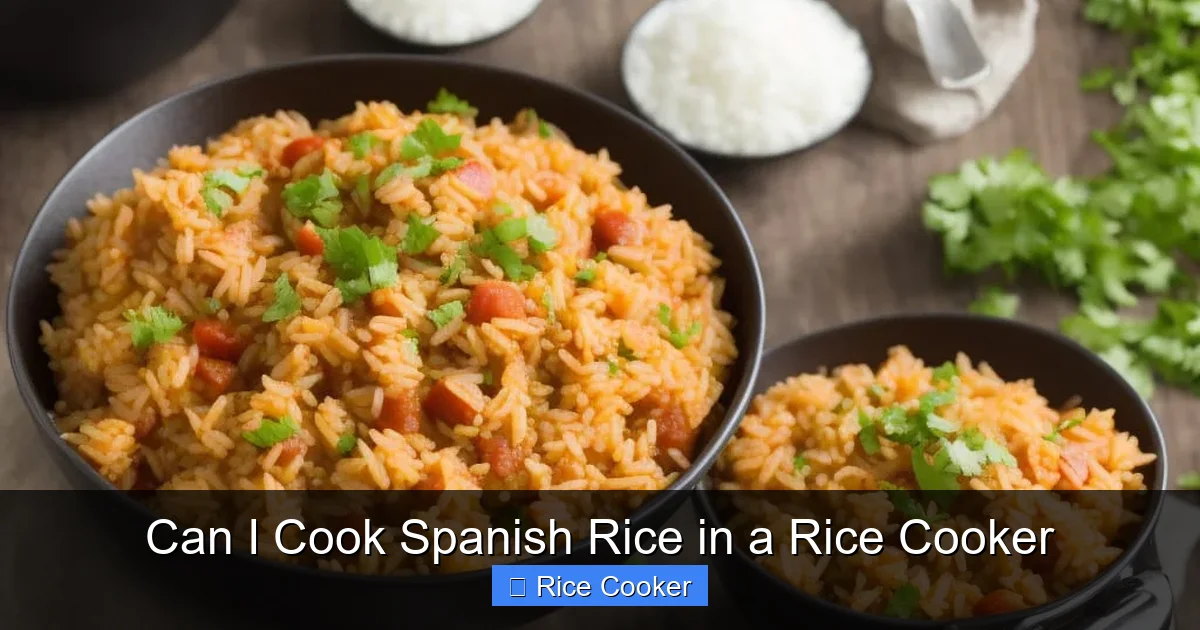
Can I cook Spanish rice in a rice cooker? Absolutely! With the right ingredients and technique, your rice cooker can produce rich, vibrant, and tender Spanish rice just like traditional methods. It’s faster, easier, and requires fewer steps—perfect for busy weeknights or when you’re short on kitchen space.
Key Takeaways
- Yes, it works: A rice cooker is fully capable of cooking authentic-tasting Spanish rice with minimal effort.
- Flavor comes first: The secret lies in sautéing onions, garlic, and spices before adding liquid—this builds deep, savory flavor.
- Proper ratios matter: Use a 1:1.5 to 1:2 ratio of rice to liquid (water or broth) depending on your cooker model and desired texture.
- Sauté function is key: If your rice cooker has a sauté setting, use it to brown the aromatics; if not, do this step on the stove.
- Additions go last: Tomatoes, peas, and seasonings are added toward the end to prevent overcooking and maintain color and texture.
- Cooking time varies: Most Spanish rice takes 20–30 minutes total—check the manufacturer’s guide for specifics.
- Cleanup is simple: Non-stick rice cooker pots make cleanup a breeze compared to sticky pots or pans.
📑 Table of Contents
- Introduction: The Magic of Rice Cookers
- What Is Spanish Rice?
- Why Use a Rice Cooker for Spanish Rice?
- Essential Ingredients for Perfect Spanish Rice
- Step-by-Step Guide: Cooking Spanish Rice in a Rice Cooker
- Common Mistakes to Avoid
- Tips for Customizing Your Spanish Rice
- How to Store and Reheat Leftovers
- Comparing Rice Cooker vs. Stovetop Methods
- Frequently Asked Questions About Cooking Spanish Rice in a Rice Cooker
- Conclusion: Embrace the Convenience Without Sacrificing Flavor
Introduction: The Magic of Rice Cookers
If you love Spanish rice but dread the hassle of watching it on the stovetop, you’re in luck. The humble rice cooker—once just a tool for steaming grains—has evolved into a versatile kitchen ally capable of handling far more than plain white rice. From jambalaya to risotto, and now even arroz rojo, Spanish rice fits perfectly into its programmable world. You can safely leave it unattended while it cooks, making it perfect for busy schedules.
Cooked traditionally, Spanish rice involves simmering long-grain rice with tomatoes, spices, and sometimes chicken or vegetables—a process that demands attention to avoid burning or uneven cooking. But what if you could skip the constant stirring and risk of scorching? Enter the rice cooker: a device designed precisely for consistent, hands-off grain perfection.
In this article, we’ll walk through everything you need to know about making restaurant-quality Spanish rice using your rice cooker. Whether you’re a beginner or an experienced home chef, these tips will help you achieve vibrant red rice, rich flavor, and zero mess—all with the push of a button.
What Is Spanish Rice?
Before diving into the how-to, let’s clarify what we mean by “Spanish rice.” While the dish shares its name with Spain, it actually originated in Latin American cuisine—particularly Mexico and Central America. Unlike paella (the Spanish version), Spanish rice here typically includes:
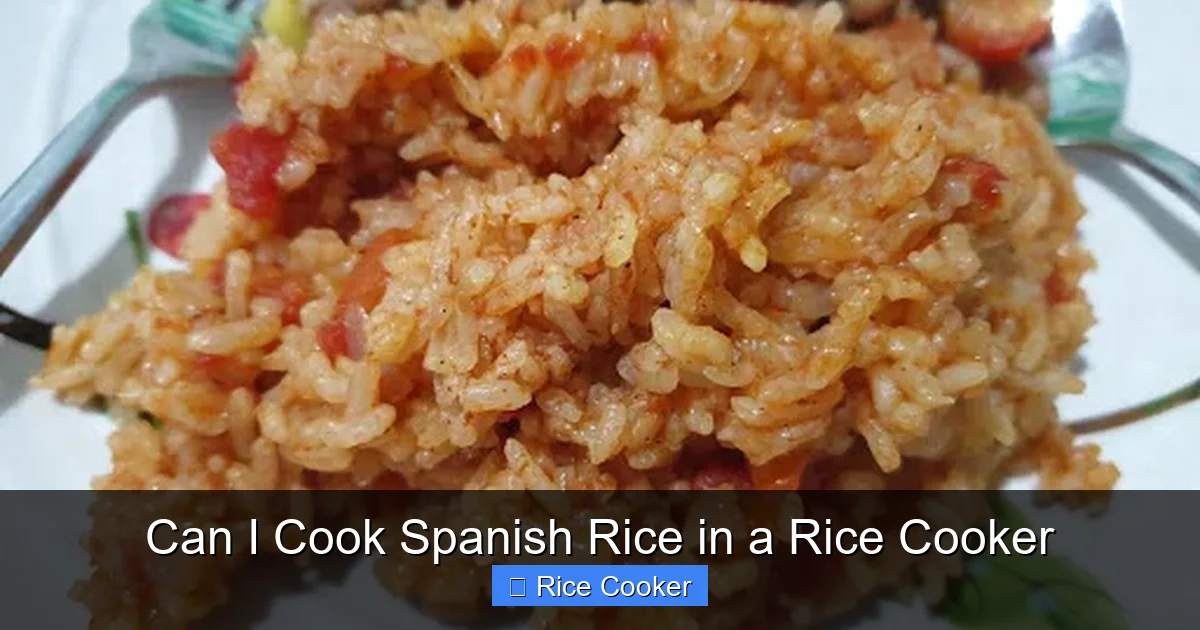
Visual guide about Can I Cook Spanish Rice in a Rice Cooker
Image source: lh3.googleusercontent.com
- Long-grain white rice
- Tomato sauce or crushed tomatoes
- Onions and garlic
- Vegetable or chicken broth
- Seasonings like cumin, oregano, salt, and pepper
- Optional additions: peas, carrots, corn, or cooked meat
The result is a slightly reddish-hued, aromatic side dish that pairs beautifully with grilled meats, tacos, or as part of a larger meal. Its signature color comes from the tomato base, not food coloring—though some recipes do add annatto (achiote) for extra vibrancy.
Why Use a Rice Cooker for Spanish Rice?
You might wonder: Why bother with a rice cooker instead of the tried-and-true stovetop method? There are several compelling reasons:
1. Hands-Off Convenience
Rice cookers automate the cooking process. Once ingredients are added and settings chosen, you can focus on other tasks while your meal cooks itself. No more hovering over the pot or worrying about boil-overs. For added flexibility, you can also keep it on warm if needed.
2. Consistent Results
Unlike stovetops—where heat fluctuates based on burner size, flame control, or pot material—rice cookers maintain steady temperatures throughout the cycle. This leads to uniform grain texture and even absorption.
3. Easy Cleanup
Modern rice cookers come with non-stick inner pots that release food effortlessly. Just rinse or wipe after use—no scrubbing burnt-on residue!
4. Energy Efficiency
Rice cookers use less energy than keeping a pot on the stove for extended periods, especially during the keep-warm phase.
5. Multi-Functionality
Many advanced models offer multiple settings—brown rice, porridge, slow cook, and even steaming—making them ideal for diverse recipes beyond plain rice.
Of course, there are minor trade-offs. Traditionalists may miss the smoky char from sautéing onions directly in a heavy skillet. But for most home cooks, the benefits far outweigh the slight loss in rustic charm.
Essential Ingredients for Perfect Spanish Rice
Getting great flavor starts with quality ingredients. Here’s what you’ll need for a classic batch:
Base Components
- White long-grain rice: Basmati or jasmine work too, but regular long-grain gives the best balance of fluffiness and absorption.
- Olive oil or vegetable oil: For sautéing onions and garlic.
- Diced onion: Yellow or white onions provide sweetness and depth.
- Garlic cloves: Minced or finely chopped for aromatic punch.
- Crushed tomatoes or tomato sauce: Canned is fine—just drain excess liquid if needed.
- Chicken or vegetable broth: Adds moisture and umami without diluting tomato flavor.
Seasonings & Enhancements
- Salt and black pepper: Always taste before adding more.
- Dried oregano and cumin: Core spices that define Spanish rice flavor.
- Bay leaf (optional): One small leaf infuses subtle herbal notes.
- Peas and diced carrots: Add color, texture, and nutrition.
- Cooked shredded chicken or beans: Makes it a complete protein-packed dish.
Tip: Avoid fresh tomatoes unless you’re blending them into a smooth puree—they can make the rice mushy due to high water content.
Step-by-Step Guide: Cooking Spanish Rice in a Rice Cooker
Follow these simple steps to create foolproof Spanish rice every time:
Step 1: Prep Your Ingredients
Measure out all your ingredients before starting. This ensures smooth workflow and prevents forgetting anything mid-process.
Step 2: Sauté Aromatics
This is the most critical step for flavor development. Heat 1–2 tablespoons of oil in your rice cooker pot over medium heat (or use the sauté function). Add diced onion and cook until translucent (about 3–4 minutes). Stir in minced garlic and cook for another 30 seconds—don’t let it burn!
Pro Tip: If your rice cooker lacks a sauté setting, transfer the oil and onions to a small saucepan first, then return the mixture to the cooker once softened.
Step 3: Add Tomatoes and Seasonings
Pour in crushed tomatoes or tomato sauce. Stir well to coat the onions. Then add:
- 1 teaspoon ground cumin
- 1 teaspoon dried oregano
- Salt and pepper to taste
- Optional: bay leaf
Cook for 2–3 minutes to mellow the raw tomato flavor.
Step 4: Add Rice and Broth
Stir in rinsed and drained rice until lightly coated with oil and tomato mixture. Pour in 1.5 to 2 cups of broth per cup of rice (adjust based on your cooker’s absorption rate). Water alone works, but broth adds richness.
Step 5: Start the Cooking Cycle
Close the lid and select the “white rice” or standard cooking mode. Most rice cookers will take 20–30 minutes. Avoid opening the lid during cooking—it releases steam and extends time.
Step 6: Fold in Extras
About 5 minutes before the cycle ends, stir in frozen peas, diced carrots, or pre-cooked chicken. This prevents them from turning mushy.
Step 7: Rest and Serve
Once done, let the rice sit for 5–10 minutes with the lid closed. Fluff gently with a fork before serving. Discard any bay leaf.
Common Mistakes to Avoid
Even seasoned cooks make errors when adapting recipes to new appliances. Watch out for these pitfalls:
- Skipping the sauté step: Adding raw onions and garlic directly to uncooked rice creates bitter, underdeveloped flavors.
- Using too much liquid: Overfilling can lead to soggy rice. Stick to recommended ratios.
- Not rinsing the rice: Rinsing removes excess starch, preventing clumping and improving texture.
- Adding salt too early: It can toughen rice proteins. Season toward the end instead.
- Opening the lid frequently: Steam escapes, disrupting internal temperature and prolonging cook time.
Tips for Customizing Your Spanish Rice
Once you master the basics, feel free to experiment! Here are some creative twists:
Spicy Version
Add ½ teaspoon smoked paprika or a pinch of cayenne pepper along with the cumin and oregano for a kick.
Cheesy Upgrade
Sprinkle grated cheddar or Monterey Jack over the top during the last minute of cooking—let it melt into gooey goodness.
Mediterranean Twist
Swap broth for tomato juice, add olives and artichoke hearts, and use quinoa instead of rice.
Vegan Friendly
Use vegetable broth and omit meat. Boost flavor with nutritional yeast or sun-dried tomatoes.
Color Boost
For deeper red hue, blend a little achiote paste with broth before adding rice.
How to Store and Reheat Leftovers
Spanish rice keeps beautifully! Store cooled leftovers in an airtight container in the fridge for up to 4 days. If you want to keep it longer, see our guide on storing cooked rice in the fridge. To reheat:
- Microwave: Place rice in a covered dish, add 1 tablespoon water, cover, and heat on high for 1–2 minutes, stirring halfway.
- Stovetop: Warm gently in a saucepan over low heat, adding a splash of broth or water to restore moisture.
- Air fryer (yes, really!): Spray basket with oil, spread rice evenly, and reheat at 350°F (175°C) for 3–5 minutes.
Avoid microwaving uncovered—it dries out the rice quickly.
Comparing Rice Cooker vs. Stovetop Methods
Let’s break down the differences between the two approaches:
| Factor | Rice Cooker | Stovetop |
|---|---|---|
| Ease of Use | Very easy—set and forget | Requires monitoring |
| Cooking Time | Consistent (20–30 min) | Variable (25–40 min) |
| Flavor Depth | Rich but milder | Bolder, caramelized notes |
| Cleanup | Minimal (non-stick pot) | More effort (scrubbing pot) |
| Best For | Busy households, beginners | Traditionalists, large batches |
Ultimately, both methods yield delicious results—it’s about personal preference and available tools.
Frequently Asked Questions About Cooking Spanish Rice in a Rice Cooker
Can I use brown rice instead of white rice?
Yes, but adjust cooking times. Brown rice typically needs 25–35 minutes in a rice cooker. Also, increase liquid slightly (use 1:2 ratio) since brown rice absorbs more moisture.
Do I have to sauté onions and garlic first?
Absolutely. Browning them releases essential oils and builds foundational flavor. Skipping this step makes the rice taste bland.
Can I cook Spanish rice without a sauté function?
Yes! Sauté onions, garlic, and tomatoes in a separate pan, then transfer everything to your rice cooker before adding rice and broth.
Why is my Spanish rice too wet?
Too much liquid was added or the rice wasn’t rinsed. Try draining excess liquid before serving, or spread leftover rice on a tray to dry briefly.
Can I freeze Spanish rice?
Yes! Cool completely, portion into freezer-safe containers, and store for up to 3 months. Thaw overnight in the fridge before reheating.
What if I don’t have tomato sauce?
Use canned crushed tomatoes (drained slightly) or fresh tomatoes blended into a smooth puree. Avoid whole canned tomatoes—they’re too chunky.
Conclusion: Embrace the Convenience Without Sacrificing Flavor
Cooking Spanish rice in a rice cooker isn’t just possible—it’s practical, delicious, and accessible to everyone. By embracing the machine’s strengths—consistency, simplicity, and cleanliness—you unlock a world of culinary possibilities beyond plain steamed grains.
Remember: the key lies in building flavor early (hello, sautéed onions!), respecting proper ratios, and trusting the process. Whether you’re whipping up a quick lunch or preparing for a family dinner, this method delivers reliable, restaurant-worthy results with minimal fuss.
So go ahead—grab your rice cooker, gather those tomatoes and spices, and enjoy the magic of hands-off cooking. Your taste buds (and your schedule) will thank you.
Frequently Asked Questions
Can I use brown rice instead of white rice?
Yes, but adjust cooking times. Brown rice typically needs 25–35 minutes in a rice cooker. Also, increase liquid slightly (use 1:2 ratio) since brown rice absorbs more moisture.
Do I have to sauté onions and garlic first?
Absolutely. Browning them releases essential oils and builds foundational flavor. Skipping this step makes the rice taste bland.
Can I cook Spanish rice without a sauté function?
Yes! Sauté onions, garlic, and tomatoes in a separate pan, then transfer everything to your rice cooker before adding rice and broth.
Why is my Spanish rice too wet?
Too much liquid was added or the rice wasn’t rinsed. Try draining excess liquid before serving, or spread leftover rice on a tray to dry briefly.
Can I freeze Spanish rice?
Yes! Cool completely, portion into freezer-safe containers, and store for up to 3 months. Thaw overnight in the fridge before reheating.
What if I don’t have tomato sauce?
Use canned crushed tomatoes (drained slightly) or fresh tomatoes blended into a smooth puree. Avoid whole canned tomatoes—they’re too chunky.