
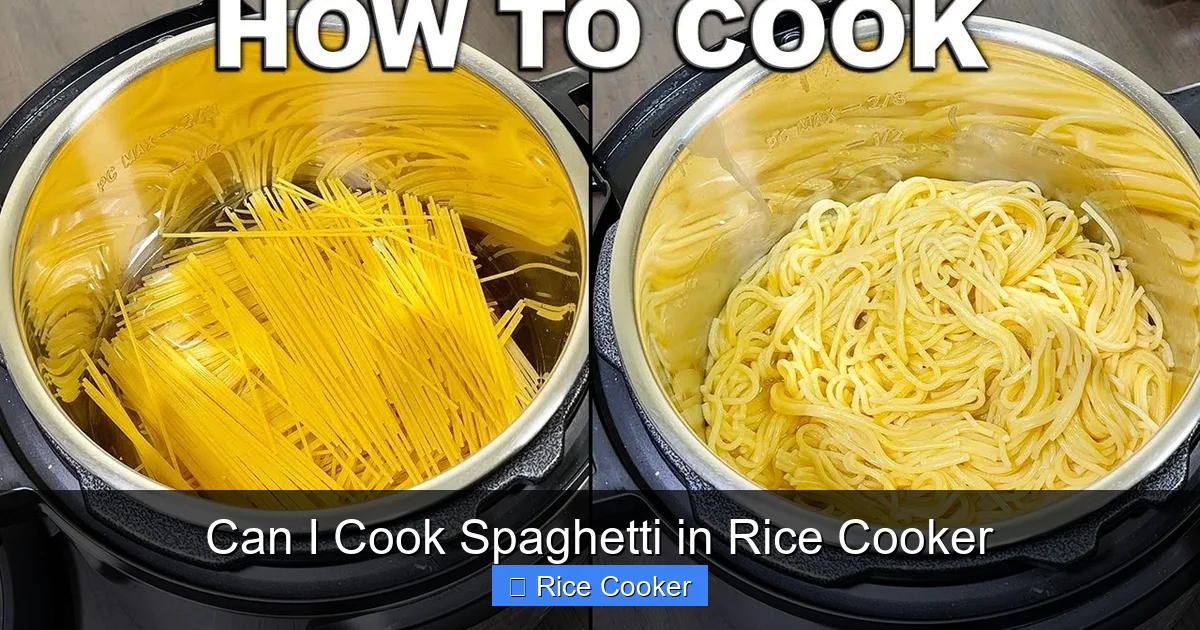
Can you cook spaghetti in a rice cooker? Absolutely! With the right setup, your rice cooker can do double duty as a pasta maker. It’s quick, convenient, and leaves you with minimal cleanup—ideal for busy weeknights or dorm room cooking.
Key Takeaways
- Yes, it works: A rice cooker can cook spaghetti if you adjust water levels and timing.
- Use the right pot: Most rice cookers come with a non-stick inner pot—great for pasta too.
- Pre-soak matters: Soaking dry spaghetti briefly helps it cook evenly without sticking.
- Monitor closely: Spaghetti cooks faster than in a pot, so check frequently to avoid mushy results.
- Add flavor wisely: Salt, oil, or garlic can be added during cooking for extra taste.
- Drain properly: Once done, drain quickly and rinse lightly to stop cooking.
- Safety first: Never overload the pot or use metal utensils that could damage the coating.
📑 Table of Contents
- Can I Cook Spaghetti in a Rice Cooker? The Surprising Truth (and How to Do It Right)
- The Science Behind Cooking Pasta in a Rice Cooker
- Step-by-Step Guide: Cooking Spaghetti in Your Rice Cooker
- Pro Tips for Perfect Rice-Cooker Spaghetti
- Common Mistakes & How to Avoid Them
- Can You Cook Other Pasta Shapes Too?
- Cleaning Up After Rice-Cooker Pasta
- Is This Method Safe Long-Term?
- Final Thoughts: Should You Ditch the Stove?
Can I Cook Spaghetti in a Rice Cooker? The Surprising Truth (and How to Do It Right)
Imagine this: It’s 6 p.m., and you’re craving a warm bowl of spaghetti but don’t feel like hauling out the big pot, filling the sink, and scrubbing afterward. You’ve got rice leftovers, but you forgot pasta is on tonight’s menu. What now?
Enter the humble rice cooker—a kitchen workhorse designed for grains but surprisingly versatile enough to handle more than just white or brown rice. Yes, you heard that right: you can absolutely cook spaghetti in a rice cooker. In fact, many home cooks swear by this method for its speed, simplicity, and minimal cleanup.
In this comprehensive guide, we’ll walk through everything you need to know—from whether it actually works, to step-by-step instructions, pro tips, common mistakes to avoid, and even how to make it taste restaurant-quality. Whether you’re a college student with only a dorm mini-fridge and one appliance, a busy parent juggling dinner prep, or just someone looking to expand their culinary toolkit, this article will turn your rice cooker into your new best friend for pasta nights.
The Science Behind Cooking Pasta in a Rice Cooker
Before diving into recipes or techniques, let’s talk about why this even works. At its core, cooking spaghetti in a rice cooker relies on two things: heat transfer and moisture control.
Visual guide about Can I Cook Spaghetti in Rice Cooker
Image source: nomadette.com
How Heat Transfers in a Rice Cooker
Rice cookers use electric heating elements at the base of the inner pot to warm ingredients evenly. Unlike stovetop boiling, which relies on direct flame contact and convection currents, a rice cooker circulates warmth through conduction and gentle steam buildup. This means the bottom and sides of your pasta receive consistent heat—no hot spots, no scorching.
But here’s the catch: unlike boiling water on the stove, a rice cooker doesn’t maintain a rolling boil unless you manually stir or adjust settings (more on that later). That’s why technique matters more than just dumping noodles in and pressing “cook.”
Water-to-Pasta Ratio Is Everything
Traditional pasta boils in large volumes of water—usually 4 quarts per pound of pasta. A rice cooker, however, has limited capacity. Most standard models hold between 1.5 and 3 cups of liquid max. So how do you scale down without ending up with soggy, undercooked noodles?
The answer lies in pre-soaking and precise measurement. By letting dry spaghetti sit in cold water for 10–15 minutes before cooking, you reduce the amount of water needed during the actual cook cycle. Think of it like rehydrating dried beans—only much faster!
Step-by-Step Guide: Cooking Spaghetti in Your Rice Cooker
Ready to give it a try? Follow these simple steps for foolproof results every time.
What You’ll Need
- A rice cooker with an inner pot (non-stick is ideal)
- Dry spaghetti (or any long pasta)
- Filtered or tap water
- Salt (optional but recommended)
- Olive oil (use sparingly—see tip below)
- A timer and fork for checking doneness
Step 1: Pre-Soak the Spaghetti
Place your dry spaghetti strands in a bowl and cover them completely with cold water. Let them soak for 10–15 minutes. This softens the outside slightly while keeping the center firm, reducing total cook time and minimizing stickiness.
Step 2: Drain and Measure Water
After soaking, drain the spaghetti using a colander or fine-mesh sieve. Then measure out exactly 2 cups of fresh cold water into the rice cooker’s inner pot. Add ½ teaspoon of salt if desired—this mimics traditional pasta water seasoning.
Step 3: Add the Spaghetti
Gently place the soaked spaghetti into the water. Don’t worry if it floats—it will sink as it warms up. Avoid adding oil; contrary to popular belief, olive oil prevents sauce from sticking but also stops heat from penetrating evenly. Skip it unless you’re serving the pasta plain with cheese.
Step 4: Start the Cook Cycle
Close the lid and press the “Cook” button. Most rice cookers default to a “white rice” setting, which runs for about 25–30 minutes. However, since pasta cooks faster, you’ll likely need to interrupt the cycle early.
Step 5: Check Doneness Frequently
After 8–10 minutes, open the lid and test a strand with tongs or chopsticks. It should be al dente—firm to bite but not crunchy. If still too hard, close the lid and continue cooking in 1-minute increments until ready.
Step 6: Drain Immediately
Once perfectly cooked, turn off the rice cooker and carefully lift the spaghetti out using a slotted spoon or fork. Shake gently over the sink to remove excess water. Rinse briefly with cold water if you prefer less stickiness, though this isn’t always necessary.
Pro Tips for Perfect Rice-Cooker Spaghetti
Want your dish to taste like it came from a trattoria? These insider tricks will elevate your game.
Use the Right Amount of Water
Too little water causes uneven cooking and scorching. Too much leads to weak noodles. Stick to 2 cups for standard 8-ounce boxes of spaghetti. For larger families, split the batch into two smaller batches rather than risk overloading.
Don’t Overcrowd the Pot
Spaghetti expands when cooked. If you cram too many strands into the pot, they won’t cook uniformly. Aim for no more than half-full coverage at the start.
Stir Gently Every Few Minutes
During the first 5 minutes, use chopsticks or a wooden spoon to gently separate strands. This prevents clumping and ensures even heat distribution. Avoid metal utensils—they can scratch non-stick coatings.
Boost Flavor Without Oil
Instead of oil, add minced garlic, red pepper flakes, or a splash of broth during the last 2 minutes of cooking. These infuse subtle flavors without compromising texture.
Save Time with Pre-Cut Noodles
If you’re short on time, break regular spaghetti into shorter pieces before soaking. Just ensure they fit comfortably in your rice cooker’s pot.
Common Mistakes & How to Avoid Them
Even experienced cooks stumble. Here are the most frequent errors and how to fix them.
Mistake #1: Skipping the Soak
Result: Hard centers and inconsistent texture.
Fix: Always pre-soak dry spaghetti. Instant noodles don’t need it, but traditional varieties do.
Mistake #2: Adding Oil
Result: Slimy noodles that repel sauce.
Fix: Leave oil out. If you must add fat, drizzle after draining.
Mistake #3: Not Stirring
Result: Stuck-together clumps.
Fix: Stir every 2–3 minutes during initial cooking phase.
Mistake #4: Waiting Until Full Cycle Ends
Result: Mushy, overdone pasta.
Fix: Test early and often. Pasta finishes faster than rice!
Mistake #5: Using Metal Utensils
Result: Scratched non-stick surface.
Fix: Stick to wood, bamboo, or silicone tools.
Can You Cook Other Pasta Shapes Too?
Absolutely! While spaghetti shines due to its length and uniformity, other shapes adapt well—with minor tweaks.
Penne and Rigatoni
These tube-shaped pastas benefit from the same pre-soak method. Because they have hollow interiors, they absorb flavor better than flat noodles. Add herbs or cheese during the final minute for extra richness.
Linguine and Fettuccine
Similar to spaghetti, but monitor closely—they’re thinner and cook quicker. Break longer strands in half if needed for easier handling.
Farfalle and Rotini
Bowtie or spiral shapes may trap air pockets, leading to uneven cooking. Stir frequently and consider halving larger pieces before soaking.
Note: Short pastas like elbow macaroni require more water relative to volume and may not fit well in small rice cookers. Opt for medium-to-long shapes instead.
Cleaning Up After Rice-Cooker Pasta
One of the biggest perks? No boiling, no sticky pot to scrub. Still, proper care extends your rice cooker’s life.
- Let the inner pot cool completely before washing.
- Hand-wash with mild soap and a soft sponge—never abrasive pads.
- Wipe the heating plate underneath with a damp cloth (not submerged).
- Store with the lid slightly ajar to prevent moisture buildup.
If starch residue remains, soak the pot in warm soapy water for 10 minutes before scrubbing gently.
Is This Method Safe Long-Term?
Yes—provided you follow basic guidelines. Non-stick coatings are durable when used correctly. Avoid extreme temperature changes (e.g., pouring boiling water into a cold pot), and never leave the rice cooker unattended with food inside beyond its programmed cycle.
Also, check your model’s manual. Some high-end units have “pasta modes” that adjust timing and temperature automatically—look for those if available.
Final Thoughts: Should You Ditch the Stove?
Cooking spaghetti in a rice cooker won’t replace your trusty pot forever—but it’s a fantastic backup plan. It’s especially useful when:
- You’re cooking solo and don’t want a full sink setup.
- Power goes out and your stove is off (some rice cookers have keep-warm functions).
- You’re meal-prepping and want to minimize dishes.
Plus, it’s energy-efficient! A rice cooker uses less electricity than running a gas or induction burner.
So yes—go ahead and try it. Your future self (and your clean-up-weary hands) will thank you.
Frequently Asked Questions
Do I really need to soak the spaghetti before cooking in a rice cooker?
Yes, soaking softens the outer layer and reduces cook time, preventing hard centers. It’s essential for best results.
Can I use instant spaghetti or pre-cooked noodles?
No—instant or pre-cooked noodles are already partially hydrated and will become mushy. Only use dry, traditional spaghetti.
Will my rice cooker break if I cook pasta?
Not if you follow safety tips: don’t overload, avoid metal utensils, and clean properly. Most modern rice cookers handle occasional pasta use fine.
How do I prevent my spaghetti from sticking together?
Stir gently every few minutes during cooking and avoid adding oil. Draining immediately after cooking also helps.
Can I cook sauce along with the pasta?
Technically yes, but it’s not recommended. Sauces thicken differently in a rice cooker and may burn. Cook pasta separately, then combine with store-bought or quick homemade sauce.
What’s the maximum amount of spaghetti I can cook at once?
For best results, limit to half the inner pot’s capacity. For a standard 3-cup pot, about 4–6 ounces (1/2 box) of spaghetti works well.