
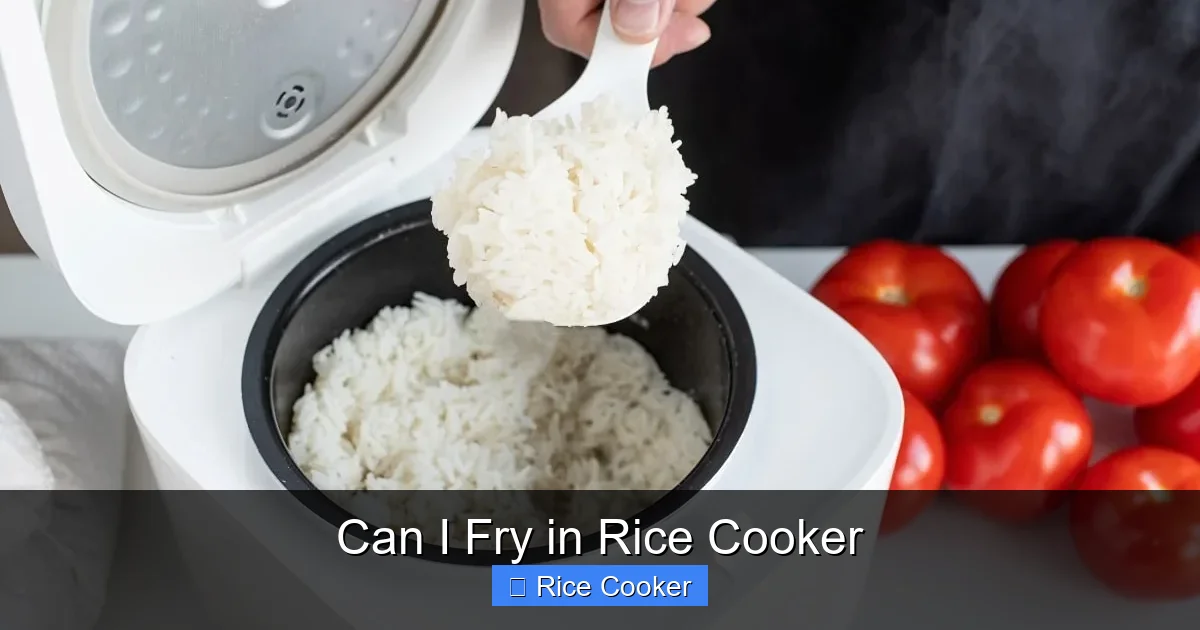
Can I fry in a rice cooker? Yes, absolutely—but with the right technique and precautions. While rice cookers aren’t designed for high-heat frying like a skillet, many models support sautéing, stir-frying, and even searing when used correctly. With non-stick coatings and proper oil control, you can achieve delicious fried dishes like eggs, vegetables, or even crispy tofu using your trusty rice cooker.
Key Takeaways
- Rice cookers can be used for frying under the right conditions. Many modern rice cookers come with a “keep warm” mode that maintains heat without boiling, ideal for low-to-medium frying tasks.
- Non-stick inner pots are essential. Avoid scratching the coating by using wooden or silicone utensils and avoiding metal spatulas or abrasive cleaning tools.
- Preheating is key. Just like with a pan, preheating your rice cooker (on keep-warm or sauté mode) ensures even cooking and prevents sticking.
- Oil quantity matters. Use just enough oil to coat the bottom—rice cookers have smaller surfaces than stovetop pans, so over-oiling isn’t necessary.
- Monitor temperature closely. Rice cookers don’t get as hot as induction burners; avoid prolonged high-heat use to prevent burning or damage.
- Try simple fried dishes first. Scrambled eggs, garlic butter shrimp, or crispy potatoes are great beginner-friendly recipes.
- Not all rice cookers are created equal. Look for models with sauté or fry functions for better results.
📑 Table of Contents
- Can I Fry in a Rice Cooker? The Surprising Truth
- Understanding Your Rice Cooker’s Capabilities
- When Can You Actually Fry in a Rice Cooker?
- Step-by-Step Guide: How to Fry Safely in a Rice Cooker
- Common Mistakes People Make (And How to Fix Them)
- Best Rice Cooker Models for Frying
- Creative Recipes You Can Try Today
- Cleaning & Maintenance Tips After Frying
- Final Thoughts: Is It Worth It?
Can I Fry in a Rice Cooker? The Surprising Truth
You’ve probably heard the myth: “Rice cookers are only for rice.” But what if I told you that your humble kitchen appliance could do so much more? From steaming veggies to baking cakes, rice cookers are quietly becoming multi-functional powerhouses. One of the most surprising capabilities? Frying.
Yes, you read that right—can you fry in a rice cooker? The short answer is yes, but not exactly like you would on a stovetop skillet. Traditional deep or shallow frying involves high heat and lots of oil, which isn’t feasible or safe in most rice cookers. However, light frying, sautéing, and even browning ingredients are absolutely possible—especially if you understand how your machine works and respect its limits.
In this complete guide, we’ll walk through everything you need to know about frying in a rice cooker. We’ll cover which models work best, safety tips, recipe ideas, common mistakes to avoid, and how to clean up afterward. By the end, you’ll see your rice cooker not just as a grain-maker, but as a surprisingly versatile kitchen companion ready for action.
Understanding Your Rice Cooker’s Capabilities
Before diving into frying, let’s talk about what makes a rice cooker tick. At its core, a rice cooker uses a thermostat-controlled heating element to bring water to a boil, then automatically switches to “keep warm” mode once the rice is cooked. This cycle repeats during the cooking process, maintaining consistent temperatures without scorching.
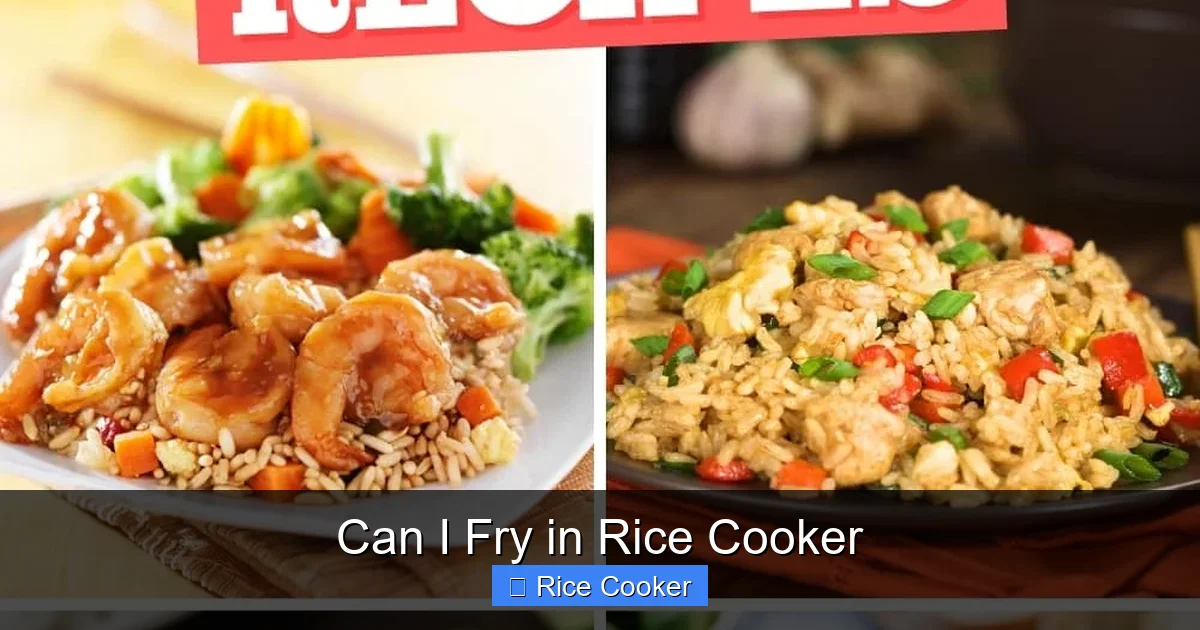
Visual guide about Can I Fry in Rice Cooker
Image source: insanelygoodrecipes.com
How Heat Is Managed
The key limitation—and opportunity—for frying lies in this temperature control. Most standard rice cookers don’t reach the 350–400°F needed for true deep frying. Instead, they operate around 185–212°F (85–100°C), depending on the phase. That means you can’t do French fry-style frying, but you can certainly brown proteins, cook scrambled eggs, or caramelize onions.
Modern smart rice cookers often include extra modes like:
- Sauté/Sautée Mode: A higher-heat setting that simulates stovetop cooking.
- Keep Warm: Maintains food at ~190°F—perfect for gentle frying.
- Bake/Convection Modes: Found in advanced models, useful for roasting or grilling.
If your rice cooker has these features, you’re in luck! If not, don’t panic—many basic models still allow light frying using the right technique.
Material Matters: What’s Inside Your Pot?
The interior material plays a huge role in whether you can safely fry. Look for one of these:
- Non-stick coating (PTFE or ceramic): Ideal for frying—easy to clean, prevents sticking, and distributes heat evenly.
- Stainless steel: Durable but harder to fry on unless preheated properly and oiled well.
- Aluminum with enamel: Acceptable for low-heat frying but may require extra oil.
Avoid aluminum pots without protection—they react with acidic foods and can leach metals. Also, never use metal utensils on non-stick surfaces; opt for silicone, wood, or plastic instead.
When Can You Actually Fry in a Rice Cooker?
So when is it safe and effective to fry in your rice cooker? Let’s break it down by dish type:
Scrambled Eggs & Omelets
This is arguably the easiest and most popular “fry” recipe for rice cookers. Crack eggs into the pot (no need for oil—non-stick handles it), add a splash of milk or cream, and whisk. Turn the cooker to “keep warm” or “sauté” if available. Stir occasionally until set. It’s fluffy, foolproof, and takes under five minutes.
Garlic Butter Shrimp or Chicken
For protein browning, melt butter with minced garlic in the rice cooker over medium heat (using keep-warm or sauté). Add shrimp or chicken strips, cook until opaque, and season. The small surface area means you’ll need to work in batches, but the result is tender and flavorful.
Crispy Tofu or Tempeh
Press and cube tofu, toss with cornstarch, then sear in hot oil in the rice cooker. Flip carefully—the pot is shallow—until golden. Serve with soy sauce or teriyaki glaze. The key is high heat and minimal crowding.
Vegetables (Onions, Peppers, Mushrooms)
Caramelized onions? Absolutely. Sauté sliced onions in olive oil until soft and golden. Add bell peppers or mushrooms next. It’s perfect for fajitas, omelets, or grain bowls. Again, batch cooking may be needed due to space limits.
Potatoes & Root Vegetables
Chopped potatoes can be par-cooked in water first, then finished on keep-warm with oil and spices for crisping. Or try oven-style fries: toss cut potatoes with oil, salt, and paprika, spread them out (don’t overcrowd!), and cook on high or bake mode if your model supports it.
But remember: you cannot deep-fry anything in a rice cooker. No tempura, no fried chicken, no onion rings—unless you’re willing to risk overflowing oil and damaging your appliance.
Step-by-Step Guide: How to Fry Safely in a Rice Cooker
Ready to give it a try? Follow this simple process:
1. Prep Like You Mean It
- Wash and dry your rice cooker pot thoroughly.
- Dice or slice ingredients evenly for uniform cooking.
- Have oil, seasonings, and utensils ready before turning on the heat.
2. Preheat Properly
Turn the cooker to “keep warm” or “sauté” and let it heat for 1–2 minutes. Test by flicking a drop of water—if it sizzles and evaporates instantly, you’re good. This prevents sticking and ensures even browning.
3. Add Oil—Just Enough
Use 1–2 tablespoons of oil (olive, avocado, or vegetable work best). Swirl it around to coat the bottom. Too much oil leads to soggy results; too little causes burning.
4. Cook in Batches
Rice cooker pots are shallow and compact. Overcrowding = steamed instead of fried. Cook small portions at a time, stirring or flipping gently.
5. Monitor Closely
Unlike stovetops, rice cookers don’t have visual flames or dials. Keep an eye on smoke—it’s a sign of overheating. If it happens, turn off immediately and vent steam.
6. Finish & Serve
Once done, transfer food to a plate immediately to prevent overcooking. Don’t leave it sitting in residual heat—it’ll continue cooking even after switching off.
Common Mistakes People Make (And How to Fix Them)
Even experienced cooks stumble when adapting kitchen tools. Here’s what to watch out for:
Mistake #1: Using Metal Utensils
Problem: Scratching the non-stick coating, leading to flaking and poor performance.
Solution: Always use silicone spatulas, wooden spoons, or plastic scrapers.
Mistake #2: Skipping Preheating
Problem: Food sticks and burns before it starts cooking.
Solution: Preheat for at least 60 seconds. Think of it like warming a pan on the stove.
Mistake #3: Overloading the Pot
Problem: Uneven cooking, soggy centers, frustration.
Solution: Fry in small batches. It’s slower but worth it for crispiness.
Mistake #4: Ignoring Smoke Alarms
Problem: Burning oil creates smoke and bad taste.
Solution: Open windows, turn on exhaust fans, and never walk away while frying.
Mistake #5: Not Cleaning Right Away
Problem: Sticky residue hardens over time.
Solution: Cool the pot slightly, then wash with warm soapy water. For stuck-on bits, soak in hot water before scrubbing gently.
Best Rice Cooker Models for Frying
Not every rice cooker is built for versatility. Here are top picks known for excellent frying performance:
- Cuckoo CRP-HHP1007F: Features a dedicated “fry” button and convection heating—ideal for searing meats and baking.
- Zojirushi Neuro Fuzzy NP-HSH10: Smart sensor technology adjusts heat automatically; great for delicate frying like eggs.
- Tiger JKT-D10U: Compact but powerful with multiple cooking modes including sauté and slow cook.
- Instant Pot Duo Crisp + Air Fryer (Hybrid): Technically not a rice cooker, but combines both functions—perfect if you want one appliance to do it all.
If you’re shopping new, look for terms like “multi-function,” “smart,” or “with sauté mode.” Even mid-range models from brands like Aroma or Black+Decker can handle light frying if used wisely.
Creative Recipes You Can Try Today
Time to put theory into practice! Here are three easy, delicious ideas:
1. Creamy Garlic Herb Scrambled Eggs
Ingredients:
2 eggs
¼ cup milk
½ tsp garlic powder
Salt & pepper
1 tsp butter (optional)
Method:
Whisk eggs and milk. Add seasonings. Pour into preheated rice cooker on keep-warm. Stir every 30 seconds until creamy and thickened. Top with fresh herbs if desired.
2. Honey Soy Glazed Tofu Bites
Ingredients:
1 block firm tofu, cubed
2 tbsp cornstarch
2 tbsp soy sauce
1 tbsp honey
1 clove garlic, minced
1 tsp sesame oil
Method:
Toss tofu in cornstarch. Heat oil in rice cooker, add tofu, and fry until golden. Mix sauce ingredients and pour over tofu. Cook 2–3 minutes longer until glazed.
3. Roasted Sweet Potato Wedges
Ingredients:
1 large sweet potato, cut into wedges
1 tbsp olive oil
1 tsp paprika
Salt
Method:
Toss wedges with oil and spices. Spread evenly in rice cooker. Cook on high or bake mode (if available) for 15–20 minutes, flipping halfway.
Cleaning & Maintenance Tips After Frying
Frying leaves behind oils and residues that can affect future rice cooking. Follow these steps:
- Cool Down First: Never wash a hot pot—let it cool completely.
- Soak Sticky Spots: Fill with warm soapy water for 10–15 minutes.
- Gently Scrub: Use a soft sponge or brush. Avoid steel wool or harsh abrasives.
- Rinse Thoroughly: Ensure no soap remains—it affects taste.
- Dry Completely: Store upside down or with lid off to air-dry.
For stubborn grease, mix baking soda and water into a paste, apply to the bottom, wait 10 minutes, then wipe clean.
Final Thoughts: Is It Worth It?
Can you fry in a rice cooker? Yes. Should you replace your skillet? Probably not—but knowing your rice cooker’s full potential saves time, reduces clutter, and adds fun to meal prep. It’s especially handy for dorm rooms, tiny kitchens, or when you’re lazy but hungry.
The real magic isn’t just frying—it’s discovering how one appliance can adapt to countless roles. Whether you’re scrambling eggs for breakfast, browning meat for dinner, or roasting veggies for lunch, your rice cooker is ready to help. Just remember: respect the heat, use the right tools, and always clean up properly.
Next time someone asks, “Can I fry in a rice cooker?”—you’ll say yes, confidently, and maybe even impress them with honey-glazed tofu.
Frequently Asked Questions
Is it safe to fry in a rice cooker?
Yes, it’s generally safe as long as you follow precautions like using non-stick pots, avoiding metal utensils, and monitoring heat levels. Never leave unattended and ensure proper ventilation to prevent smoke buildup.
What types of food can I fry in a rice cooker?
You can lightly fry eggs, tofu, chicken, shrimp, onions, peppers, and even potatoes. Avoid deep-fried items like french fries or tempura since rice cookers don’t reach high enough temperatures for true frying.
Do I need special oil for frying in a rice cooker?
Any cooking oil with a high smoke point works well—avocado, peanut, or vegetable oil are ideal. Use just enough to coat the bottom; too much oil leads to sogginess rather than crispiness.
Can all rice cookers be used for frying?
No. Basic models without sauté or keep-warm modes may struggle with consistent heat. Look for multi-function rice cookers with dedicated fry or sauté settings for best results.
How do I prevent food from sticking during frying?
Always preheat the rice cooker, use a non-stick pot, add sufficient oil, and avoid overcrowding. Stir or flip ingredients gently using silicone or wooden tools.
Will frying ruin my rice cooker over time?
Occasional light frying won’t damage most rice cookers if cleaned properly. However, frequent high-heat use or improper cleaning can wear down coatings. Stick to low-to-medium heat and gentle maintenance.