
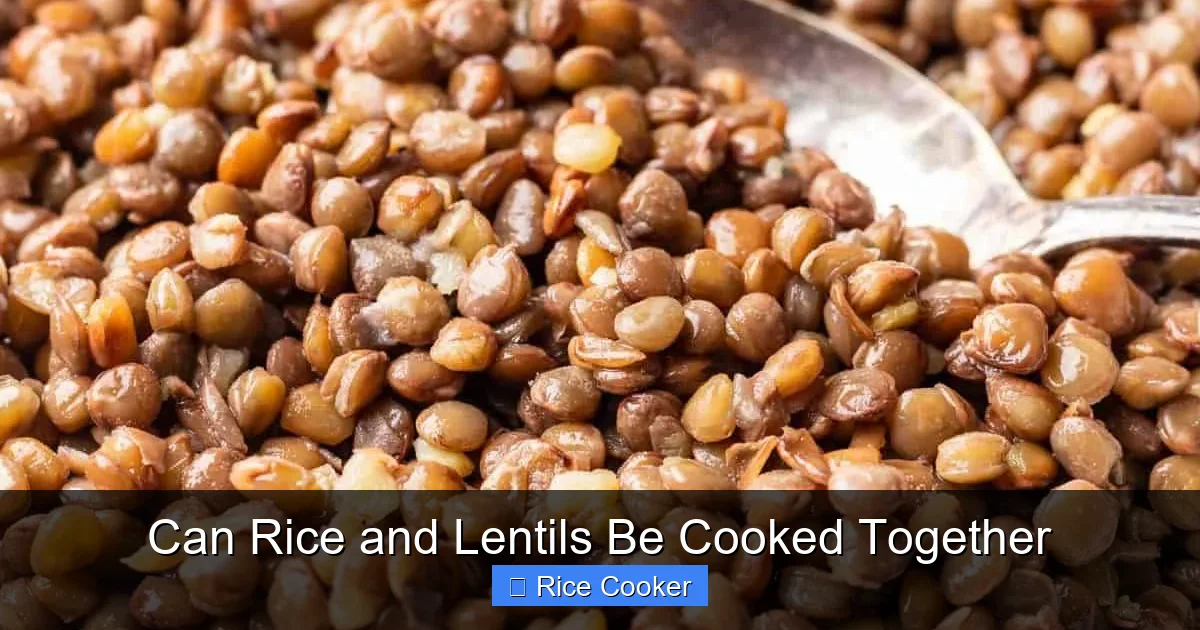
Rice and lentils make a perfect pairing when cooked together — they complement each other in texture, flavor, and nutrition. This dynamic duo creates a complete protein source, making it ideal for vegetarians and vegans.
When cooked properly, rice and lentils absorb moisture beautifully and cook evenly in most rice cookers. The result? A hearty, nutritious, and satisfying dish that’s both economical and delicious. Whether you’re meal prepping or cooking dinner tonight, this combo is a kitchen win.
Key Takeaways
- Yes, rice and lentils can absolutely be cooked together — they’re often paired in cuisines around the world for good reason.
- They form a complete protein when combined, providing all essential amino acids your body needs.
- Cooking times may vary slightly, but most white rice and red lentil combinations work well together at a 2:1 water ratio.
- Using a rice cooker makes this easy — just add ingredients and press start.
- This combo is budget-friendly and nutritious, offering fiber, protein, and complex carbohydrates.
- Soaking lentils can reduce cooking time and improve digestibility.
- Seasonings and spices elevate the flavor — try turmeric, cumin, or garlic for extra taste.
[FEATURED_IMAGE_PLACEHOLDER]
Can Rice and Lentils Be Cooked Together?
If you’ve ever wondered whether rice and lentils can be cooked together, the answer is a resounding yes — and not just yes, but yes with excellent results! This classic pairing has been used for centuries in cultures ranging from Indian dal with rice to Middle Eastern mujadara. The magic happens because rice and lentils complement each other in so many ways: in texture, nutrition, and even cooking behavior.
When you combine rice and lentils, you’re not just mixing two ingredients — you’re creating a balanced, complete meal that’s greater than the sum of its parts. This isn’t just a random food combination; it’s a culinary strategy rooted in science, tradition, and practicality. In fact, this duo is so effective that it’s often recommended by nutritionists as a staple for plant-based diets.
The beauty of cooking rice and lentils together lies in their ability to absorb flavors and moisture while maintaining distinct textures. Rice becomes fluffy and light, while lentils turn creamy and soft — yet neither overwhelms the other. When done right, you get a dish that’s both comforting and nourishing, perfect for busy weeknights or meal prep.
The Science Behind the Perfect Pairing
So what makes rice and lentils such a great team? Let’s break down the science behind why these two grains and legumes work so well together.
First, consider their protein profiles. Rice is low in lysine but high in methionine, while lentils are rich in lysine but lower in methionine. When combined, they provide all nine essential amino acids, creating what nutritionists call a “complete protein.” This is especially important for vegetarians and vegans who might otherwise struggle to get enough complete proteins from plant sources alone.
Second, their starch content complements each other. Rice contains amylose, which gives it a firm, separate grain structure when cooked. Lentils, on the other hand, are high in amylopectin, which creates a softer, creamier texture. Together, they balance out — giving you the best of both worlds in terms of mouthfeel.
Finally, their cooking behaviors are surprisingly compatible. Both absorb liquid and expand during cooking, but at different rates. White rice typically takes 15–20 minutes to cook, while red lentils can take 12–18 minutes depending on freshness and size. Because of this difference, cooking them together requires some attention to timing, but most rice cookers have settings that accommodate both.
A Global Tradition Rooted in Simplicity
You’ll find rice and lentil dishes across the globe, each with its own cultural twist. In India, red lentils (dal) are simmered into a spiced curry and served over basmati rice — a meal that’s both economical and deeply satisfying. In Lebanon, mujadara consists of brown lentils and rice topped with caramelized onions, celebrated for its simplicity and flavor.
These dishes aren’t accidents — they’re the result of generations of people discovering that rice and lentils make an unbeatable pair. They’re affordable, filling, and can be easily customized with spices, vegetables, or herbs. Plus, they store well, making them ideal for batch cooking.
In modern kitchens, this ancient combination remains relevant. With more people adopting plant-based diets and looking for nutritious, easy-to-prepare meals, rice and lentils offer a reliable solution. Whether you’re cooking for one or feeding a family, this duo delivers consistent results with minimal effort.
How to Cook Rice and Lentils Together: Step-by-Step Guide
Ready to try cooking rice and lentils together? It’s simpler than you might think — especially if you have a rice cooker. Here’s a foolproof method that works every time.
Gather Your Ingredients
Start with:
– 1 cup dried red lentils (or green/black if preferred)
– 1 cup long-grain white rice (like basmati or jasmine)
– 3 cups water or vegetable broth
– Optional: salt, garlic, onion, or spices
Note: Brown rice and whole lentils will require longer cooking times, so adjust accordingly.
Prepare the Ingredients
Wash the rice thoroughly under cold water until the water runs clear. This removes excess starch and prevents the rice from becoming too sticky. For lentils, a quick rinse is enough — no need to soak unless you’re using older or harder varieties.
If you want to reduce cooking time and improve digestibility, soak the lentils in water for 15–30 minutes. Drain before adding to the cooker.
Add Everything to the Rice Cooker
Add washed rice and rinsed lentils to the inner pot of your rice cooker. Pour in the water or broth. If desired, add minced garlic, diced onion, or a pinch of salt and spices like cumin or turmeric.
For added nutrition and flavor, you can toss in a bay leaf or a few whole cloves. These will infuse subtle notes into the dish without overpowering it.
Cook and Enjoy
Close the lid and select the “white rice” setting on most rice cookers. The timer should automatically adjust based on the mixture. Once the cooker switches to “warm,” let it sit for 5–10 minutes — this helps the flavors meld and ensures even doneness.
Fluff gently with a fork and serve warm. You’ll notice the rice remains distinct and fluffy, while the lentils become soft and slightly creamy. The contrast in textures is part of the charm!
Why Use a Rice Cooker for This Dish?
You might wonder why use a rice cooker when you could just cook everything in a pot? There are several advantages to letting your appliance handle the work.
Consistent Results Every Time
Rice cookers are designed to monitor temperature and moisture levels, ensuring that your food cooks evenly without burning or sticking. This is especially helpful when cooking two ingredients with slightly different requirements — like rice (which likes steady heat) and lentils (which can be more forgiving).
Less Hands-On Cooking
Once you’ve added everything and pressed start, you can walk away. No stirring, no watching the pot, no fear of boiling over. Just set it and forget it — perfect for busy days.
Energy Efficient
Modern rice cookers use minimal electricity and often switch to “keep warm” mode automatically. This means you’re not wasting energy keeping a stove burner on after the job is done.
Easy Cleanup
Most rice cooker pots are non-stick and dishwasher-safe, making cleanup a breeze. No scrubbing stuck-on beans or rice!
Customizable Settings
Many advanced models have multiple settings — like “mixed grain” or “brown rice” — which can be adjusted depending on the type of rice and lentils you’re using. Some even have timers so you can prepare everything the night before.
Tips for Perfect Rice and Lentil Cooking
Even with a rice cooker, a few small adjustments can make a big difference in your final dish. Here are some pro tips to help you nail it every time.
Adjust Water Ratios Based on Lentil Type
Red lentils cook quickly and absorb a lot of water, so they’re great for this method. Black or green lentils hold their shape better but may need slightly more liquid. Start with a 3:2:1 ratio (water:rice:lentils) and adjust next time based on how your cooker performs.
Don’t Overcrowd the Pot
Leave at least 2 inches of space above the ingredients in the rice cooker pot. This allows steam to circulate and prevents pressure buildup.
Experiment with Flavor Additions
While plain rice and lentils are delicious, adding flavor can transform the dish. Try:
– Sautéed onions or garlic before adding liquid
– A splash of lemon juice or vinegar after cooking
– Fresh herbs like cilantro or parsley
– A pinch of smoked paprika or turmeric for color and depth
Let It Rest
After cooking, let the mixture rest for 5–10 minutes. This allows the rice to absorb any remaining moisture and lets the flavors settle.
Store and Reheat Properly
Leftovers keep well in the fridge for up to 4 days or in the freezer for up to 3 months. Reheat gently on the stove with a splash of water or broth to restore moisture.
Pair with Complementary Foods
This dish pairs beautifully with:
– Roasted vegetables
– A fresh salad
– Yogurt or raita
– Pickled onions or chutney
Nutritional Benefits of Combining Rice and Lentils
Beyond taste and convenience, combining rice and lentils offers significant nutritional advantages. Let’s explore what makes this duo a powerhouse in the kitchen.
Complete Protein Source
As mentioned earlier, rice and lentils together provide all essential amino acids. This is rare among plant foods, making this combination especially valuable for athletes, growing children, and anyone looking to support muscle health on a plant-based diet.
High in Fiber
Both rice and lentils contain dietary fiber, though lentils are significantly higher. Fiber supports digestion, helps regulate blood sugar, and keeps you feeling full longer — making this dish ideal for weight management.
Rich in Iron and Folate
Lentils are particularly high in iron, which is crucial for oxygen transport in the blood. Combined with vitamin C-rich foods (like bell peppers or citrus), iron absorption improves dramatically. Lentils also provide folate, essential for cell growth and development.
Low Glycemic Index
Because of the fiber and protein content, rice and lentil meals release energy slowly, preventing blood sugar spikes. This makes them a smart choice for people managing diabetes or insulin resistance.
Heart-Healthy Fats and Minerals
Lentils contain potassium and magnesium, which support healthy blood pressure and heart function. Rice contributes B vitamins that help convert food into energy.
Affordable and Sustainable
Compared to animal proteins, lentils and rice are extremely cost-effective and have a low environmental impact. They require less water and land to produce, making them a sustainable protein option.
Troubleshooting Common Issues
Even with the best intentions, things can go wrong. Here’s how to fix common problems when cooking rice and lentils together.
Too Dry or Mushy
This usually happens when there’s not enough liquid or the cooker overcooks. To fix it:
– Add more water or broth next time
– Reduce cooking time slightly
– Avoid lifting the lid during cooking
Lentils Too Soft or Rice Too Hard
This imbalance can occur if the ingredients aren’t compatible or the cooker setting is wrong. Try:
– Using red lentils instead of green or black
– Switching to a shorter-grain rice
– Checking the manufacturer’s guidelines for mixed grain cooking
Sticking to the Pot
Non-stick pots should prevent this, but if it happens:
– Ensure the pot is clean and dry before use
– Don’t stir during cooking (let the rice cooker do its job)
– Add a little oil or butter before starting
Unbalanced Flavors
If one ingredient dominates, try:
– Adding spices earlier in the process
– Tasting and adjusting seasoning after cooking
– Using aromatic liquids like broth instead of plain water
Creative Variations and Recipes
Once you’ve mastered the basics, you can get creative. Here are a few inspired variations to try.
Spiced Mujadara (Lebanese Style)
Combine rice and brown lentils, then top with caramelized onions. Season with cumin, salt, and a squeeze of lemon. Serve with yogurt on the side.
Indian Dal Rice
Cook red lentils with turmeric, cumin, and ginger. Serve over basmati rice with a side of cucumber salad.
Mexican-Style Rice and Beans (with a Twist)
Use kidney beans or pinto beans instead of lentils, add chili powder and cilantro, and serve with avocado and salsa.
Vegetable-Packed Version
Sauté diced carrots, celery, and onions before adding rice and lentils. Steam broccoli or cauliflower separately and mix in at the end.
Sweet Savory Fusion
Try a savory-sweet version with raisins, almonds, and a touch of cinnamon. Great for lunch boxes or light dinners.
Final Thoughts: A Meal That Keeps on Giving
Cooking rice and lentils together isn’t just a cooking technique — it’s a lifestyle choice. It reflects values of sustainability, affordability, and nutrition. In a world where fast food and processed meals dominate, this simple dish reminds us that wholesome eating doesn’t have to be complicated.
Whether you’re new to plant-based cooking or a seasoned pro, rice and lentils offer endless possibilities. They adapt to your pantry, your palate, and your schedule. With a rice cooker as your ally, you can whip up a nourishing, complete-protein meal in under 40 minutes — no fancy skills required.
So next time you’re standing in front of the cupboard wondering what to make, reach for rice and lentils. You’ll be amazed at how much joy, flavor, and nutrition you can create with just two humble ingredients.
This is a comprehensive guide about can rice and lentils be cooked together.
Key Takeaways
- Understanding can rice and lentils be cooked together: Provides essential knowledge
Frequently Asked Questions
Can I cook brown rice and lentils together?
Yes, but brown rice takes longer to cook than white rice. Expect cooking times of 30–40 minutes. Soak the lentils first if possible, and use extra water to ensure tenderness.
Do I need to soak lentils before cooking?
Not always. Red lentils cook quickly and don’t require soaking. Green or black lentils benefit from a short soak (15–30 minutes) to reduce cooking time and improve digestibility.
Can I substitute other beans for lentils?
Absolutely! Kidney beans, chickpeas, or black beans work well. Adjust cooking time — dried beans need soaking and longer cooking, so consider using canned versions for faster results.
What’s the best type of rice to use?
Long-grain white rice like basmati or jasmine works best because it stays separate and fluffy. Short-grain rice tends to become mushy when mixed with lentils.
Can I freeze cooked rice and lentils?
Yes! Cool completely, portion into containers or freezer bags, and freeze for up to 3 months. Thaw overnight in the fridge and reheat gently on the stove.
Is rice and lentils safe for everyone?
Generally yes, but people with kidney disease should monitor phosphorus intake. Also, those with FODMAP sensitivities may want to limit lentils. Always consult a healthcare provider for personalized advice.