

Can rice and quinoa be cooked together? Absolutely—and it’s easier than you think! When combined in a rice cooker, these grains create a fluffy, protein-rich dish that’s both satisfying and healthy. With the right ratios and timing, you’ll get perfectly cooked grains every time without overcooking or mushiness.
Key Takeaways
- Yes, they cook well together: Rice and quinoa can be cooked simultaneously using the same liquid-to-grain ratio, making meal prep simpler.
- Use a rice cooker for best results: A rice cooker ensures even cooking and prevents one grain from dominating the other.
- Adjust ratios for texture: Start with a 1:1 ratio (equal parts) and tweak based on your preference—quinoa can absorb more water.
- Soak quinoa first: Rinsing and soaking quinoa reduces bitterness and improves texture when mixed with rice.
- Season and customize: Add herbs, garlic, or spices to elevate flavor without changing cooking method.
- Perfect for meal prep: Cook once, eat for days—this combo is great cold or warm in bowls, salads, or wraps.
- Boost nutrition: Combining rice and quinoa gives you complete proteins and a balance of carbs, fiber, and micronutrients.
📑 Table of Contents
- Cooking Rice and Quinoa Together: A Nutrient-Packed Duo
- Why Combine Rice and Quinoa?
- Choosing the Right Rice Cooker
- The Perfect Ratio: How Much of Each?
- Step-by-Step Guide: Cooking Rice and Quinoa Together
- Tips for Success
- Troubleshooting Common Issues
- Creative Ways to Serve Rice and Quinoa
- Health Benefits of Rice and Quinoa Combos
- Final Thoughts: Why This Combo Rocks
Cooking Rice and Quinoa Together: A Nutrient-Packed Duo
Have you ever wondered if you can cook rice and quinoa together? The short answer? Absolutely! These two superfoods not only pair beautifully in taste but also complement each other nutritionally. Whether you’re meal-prepping for the week or just looking to jazz up your dinner routine, combining rice and quinoa in a rice cooker is a game-changer. It’s simple, efficient, and delivers a satisfying, wholesome meal with minimal effort.
But before you start tossing everything into the pot, let’s talk technique. While both grains are staples in many kitchens, they behave differently under heat. Rice expands quickly and becomes soft, while quinoa holds its shape and has a slightly nutty flavor. Cooking them together means balancing their unique needs—especially water absorption and cooking time. Don’t worry though; with a few easy tips, you’ll master this combo like a pro.
In this guide, we’ll walk you through everything you need to know about cooking rice and quinoa together. From choosing the right rice cooker to seasoning your final dish, we’ve got you covered. Let’s dive in!
Why Combine Rice and Quinoa?
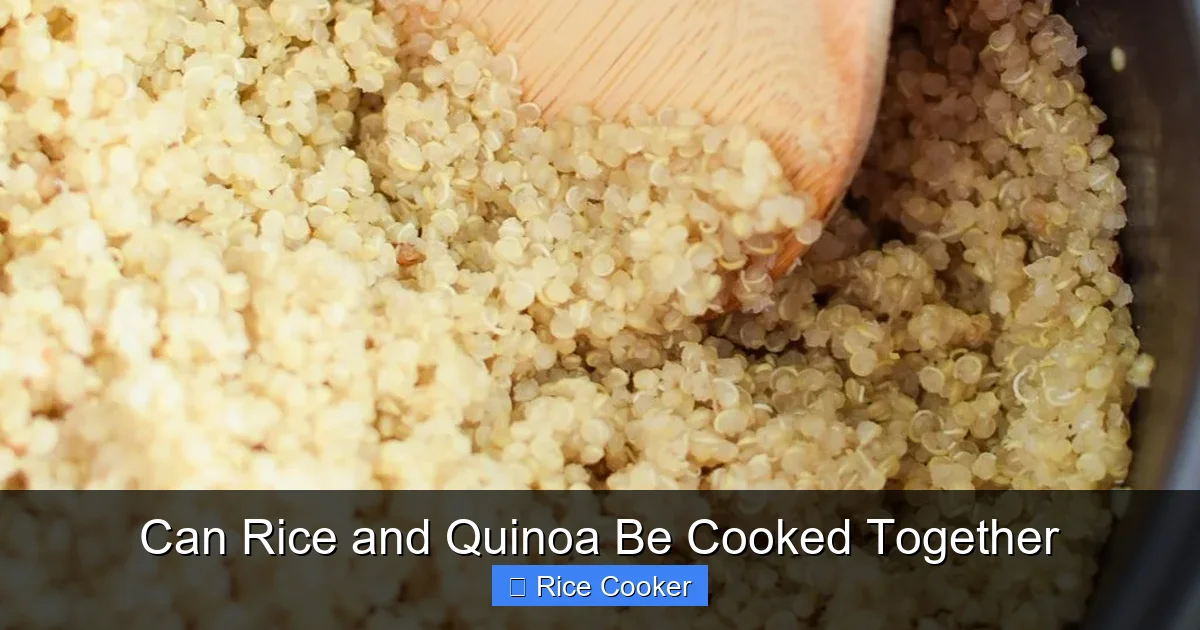
Visual guide about Can Rice and Quinoa Be Cooked Together
Image source: projectmealplan.com
A Match Made in Nutrition Heaven
Rice and quinoa might seem like opposites at first glance—one is starchy and filling, the other is light and protein-rich. But when combined, they create a powerhouse meal. Rice is a staple carbohydrate source, especially in many global cuisines, providing quick energy. Quinoa, often called a “superfood,” packs more protein, fiber, and essential amino acids than most grains.
When you cook rice and quinoa together, you get the best of both worlds. Your dish becomes more nutritionally balanced, offering a complete protein profile when paired with beans or nuts. This makes it ideal for vegetarians and anyone looking to boost their plant-based meals.
Texture and Flavor Harmony
Beyond nutrition, combining these grains enhances texture and flavor. Rice adds creaminess and a soft mouthfeel, while quinoa contributes a pleasant chew and subtle earthy taste. Together, they create a satisfying bite that’s neither too mushy nor too firm.
This blend is perfect for grain bowls, stir-fries, or even as a side dish with roasted vegetables and grilled chicken. The versatility of this combination means you can use it in countless recipes—without extra prep time.
Choosing the Right Rice Cooker
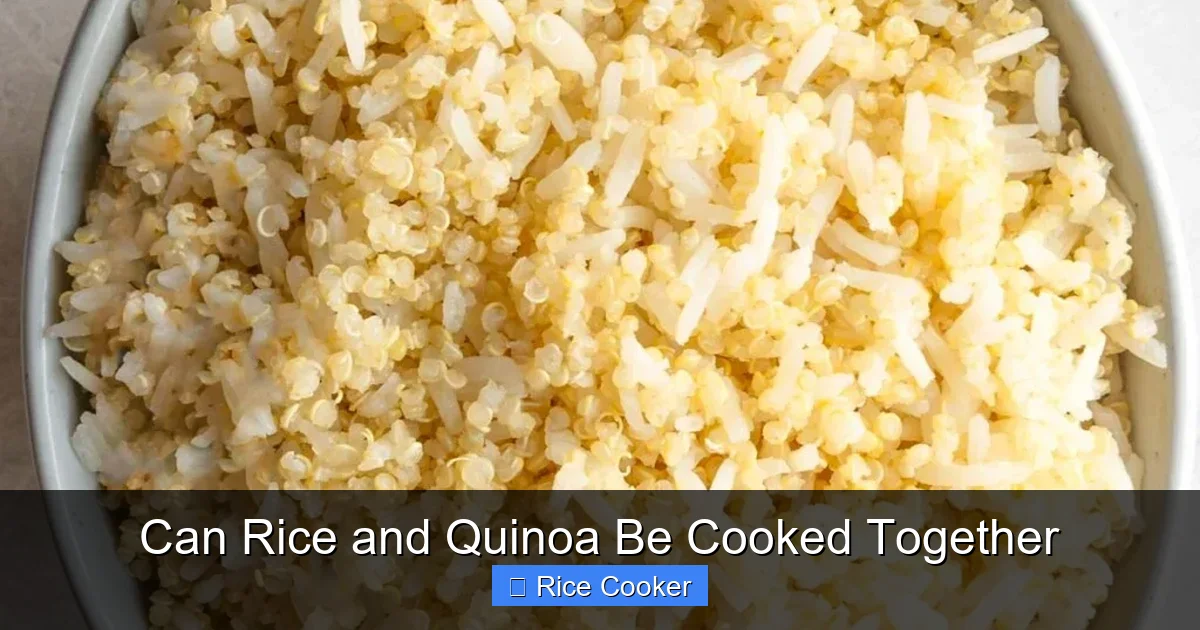
Visual guide about Can Rice and Quinoa Be Cooked Together
Image source: cookingforpeanuts.com
Does Any Rice Cooker Work?
Not all rice cookers are created equal. While basic models work fine for plain white rice, cooking rice and quinoa together benefits from a smarter design. Look for a rice cooker with:
– Multiple settings: Some have dedicated modes for brown rice, quinoa, or mixed grains.
– Even heat distribution: Prevents scorching and ensures consistent cooking.
– Non-stick inner pot: Makes cleanup easier and helps prevent sticking.
– Timer and keep-warm function: Great for meal prep and serving later.
If you don’t have a high-end model, a standard rice cooker will still do the job—just monitor closely during the first few tries to learn how your appliance handles the mix.
Capacity Matters
When cooking rice and quinoa together, consider how much you’re making. For a family of four, a 6-cup uncooked capacity is usually sufficient. Smaller households may only need 3–4 cups. Always measure both grains accurately to maintain the right ratio.
Pro tip: Use measuring cups labeled for dry ingredients—not liquid—to ensure precision. This avoids overwatering or undercooking.
The Perfect Ratio: How Much of Each?
Starting Simple: 1:1 Ratio
The easiest way to begin is with a 1:1 ratio by volume. That means equal parts uncooked rice and quinoa. For example, 1 cup rice + 1 cup quinoa = 2 cups total dry grains.
This works well for most rice cooker models and results in a balanced texture. However, quinoa absorbs more water than white rice, so you may notice it stays firmer. If you prefer softer quinoa, increase the liquid slightly or reduce the quinoa amount.
Experimenting with Ratios
Once you’ve mastered the basics, feel free to adjust the ratio to suit your taste:
– More rice: Try 3 parts rice to 1 part quinoa. Ideal if you want a fluffier, milder dish.
– More quinoa: Use 1 part rice to 2 parts quinoa for extra protein and chew. Best for salads or bowls.
– Browned rice option: Brown rice needs longer cooking time. Reduce quinoa by 1/4 and add 1–2 extra minutes of cook time.
Keep notes on what works for your family—every rice cooker and grain batch is slightly different.
Step-by-Step Guide: Cooking Rice and Quinoa Together
Prep Like a Pro
Before adding anything to the cooker, prep your ingredients properly:
1. Rinse the quinoa: Place quinoa in a fine-mesh strainer and rinse under cold water for 1–2 minutes. This removes saponins—naturally occurring compounds that cause bitterness.
2. Toast the grains (optional): For deeper flavor, toast rinsed quinoa in a dry pan over medium heat for 2–3 minutes until fragrant. Skip if you’re short on time.
3. Measure everything: Use separate measuring cups for rice and quinoa to avoid cross-contamination.
Adding Liquid and Seasonings
For every 1 cup of combined grains (rice + quinoa), use:
– Water or broth: 1.5 to 1.75 cups
– Salt: 1/2 teaspoon (adjust to taste)
– Optional additions: 1 tbsp olive oil, garlic powder, onion powder, or fresh herbs
Pour everything into the rice cooker pot. Stir gently to distribute seasonings, then close the lid.
Cooking Process
Press the “Cook” button. Most rice cookers automatically switch to “Keep Warm” once done. Total cooking time typically ranges from 20 to 30 minutes, depending on the type of rice and whether you soaked the quinoa.
After cooking, let the mixture sit for 5 minutes with the lid closed. This allows steam to redistribute and grains to finish absorbing any residual moisture. Then fluff with a fork and serve.
Tips for Success
Soaking Quinoa Helps
While not mandatory, soaking quinoa for 15–30 minutes before cooking improves texture and reduces cooking time. Just drain thoroughly before mixing with rice.
Don’t Overfill the Pot
Leave at least 1 inch of space above the grains to allow steam to circulate. Overfilling leads to uneven cooking and potential overflow.
Fluff Before Serving
Always fluff the cooked grains with a fork. This separates the kernels, giving you a light, airy texture instead of clumpy mush.
Customize the Flavor
Add-ins like lemon zest, roasted garlic, or a drizzle of honey can transform your dish. You can also cook the grains directly with sautéed onions, mushrooms, or spinach for a complete meal.
Store Leftovers Properly
Refrigerate in an airtight container for up to 5 days. Reheat with a splash of water to restore moisture. This combo holds up well in salads, wraps, or reheated bowls.
Troubleshooting Common Issues
Gritty Quinoa?
If your quinoa feels gritty, it likely wasn’t rinsed properly. Always rinse under running water using a fine-mesh strainer.
Undercooked Rice?
Undercooked rice usually means not enough liquid or insufficient cook time. For future batches, increase water by 1/4 cup and extend cooking time by 3–5 minutes.
Mushy Mixture?
Too much water causes mushiness. Next time, reduce liquid by 1/4 cup and avoid lifting the lid during cooking.
Quinoa Sticks to the Bottom?
Ensure your rice cooker’s heating element isn’t too hot. Stirring halfway through can help, but many modern cookers handle this automatically.
Creative Ways to Serve Rice and Quinoa
Grain Bowls
Top your cooked mixture with black beans, corn, avocado, salsa, and a fried egg. Drizzle with lime-cilantro dressing for a Mexican-inspired meal.
Stir-Fry Base
Sauté your grains with soy sauce, ginger, and mixed vegetables. Add tofu or shrimp for protein. Serve over noodles or enjoy on its own.
Casseroles and Bakes
Mix cooked grains with cheese, spinach, and tomato sauce. Bake until bubbly for a comforting side dish.
Cold Salads
Chill the cooked grains with diced cucumbers, cherry tomatoes, feta, and parsley. Toss with olive oil and vinegar for a refreshing lunch.
Breakfast Porridge
Warm the grains with milk, cinnamon, and berries. Cook on low heat until creamy. Top with nuts and honey.
Health Benefits of Rice and Quinoa Combos
Complete Proteins
While rice lacks some essential amino acids, quinoa provides them all. Together, they form a complete protein—ideal for muscle repair and sustained energy.
High in Fiber
Both grains support digestive health. Quinoa offers more soluble fiber, helping lower cholesterol and stabilize blood sugar.
Rich in Micronutrients
Quinoa contains iron, magnesium, and folate. Brown rice adds manganese and selenium. Together, they support heart health, brain function, and immunity.
Low Glycemic Index Option
Brown rice and red quinoa have a lower glycemic index than white rice, making this combo better for blood sugar control.
Gluten-Free Friendly
Unless specified otherwise, both rice and quinoa are naturally gluten-free—perfect for those with celiac disease or gluten sensitivity.
Final Thoughts: Why This Combo Rocks
Cooking rice and quinoa together isn’t just convenient—it’s smart. It saves time, reduces cleanup, and delivers a nutrient-dense meal that keeps you full and energized. Whether you’re feeding a crowd or planning a solo dinner, this duo fits the bill.
With a little practice, you’ll develop a rhythm that makes mealtime effortless. And the best part? You can experiment endlessly—ratios, flavors, and add-ins are all up to you.
So go ahead, fire up your rice cooker, and treat yourself to something delicious, healthy, and surprisingly simple. Your taste buds—and your body—will thank you.
Frequently Asked Questions
Can I cook brown rice and quinoa together?
Yes, but brown rice takes longer to cook. Reduce quinoa by 1/4 cup and add 2–3 extra minutes of cook time. Soak brown rice first if possible for even better results.
Do I need to soak quinoa before cooking with rice?
Soaking isn’t required, but it improves texture and reduces cooking time. Rinse thoroughly either way to remove bitterness.
How do I prevent quinoa from turning bitter?
Always rinse quinoa under cold water for at least 1 minute. Avoid skipping this step—bitterness comes from natural saponins.
Can I use broth instead of water?
Absolutely! Broth adds rich flavor. Use vegetable, chicken, or beef broth depending on your recipe. Adjust salt accordingly.
Is it safe to leave rice and quinoa in the rice cooker overnight?
No. Once cooked, grains should be refrigerated within 2 hours to prevent bacterial growth. Use the “keep warm” function only for short periods (under 1 hour).
Can I freeze cooked rice and quinoa?
Yes! Portion into freezer-safe containers and store for up to 3 months. Thaw overnight in the fridge and reheat with a bit of water or broth.